
Just one day after calling on countries to quickly participate in protecting the strategic maritime route through the Strait of Hormuz, Donald Trump reiterated.
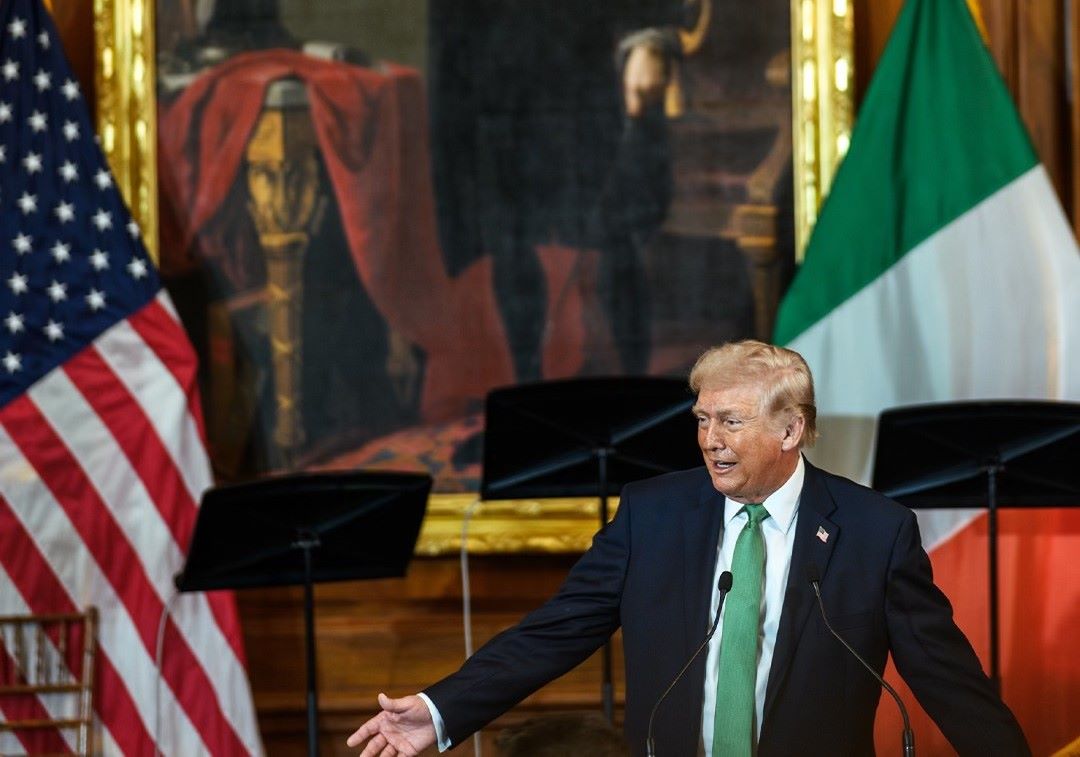
In fact, we don't need any help" - President Donald Trump told reporters at the Oval Office when receiving Irish Prime Minister Micheal Martin on March 17.
Mr. Trump's change of stance takes place in the context that European allies are not enthusiastic about the plan to form an alliance to protect Hormuz - a shipping route of about 20% of global oil, which is currently almost paralyzed by Iranian attacks.
German Defense Minister Boris Pistorius declared: "This is not our war.
French President Emmanuel Macron affirmed that Paris "will not participate in military operations to reopen the strait in the current context".
Disagreement over Hormuz reflects the growing rift in NATO - a military alliance considered a pillar of Western security.
Some US officials even admitted that the reaction from Europe was "cold". Senator Lindsey Graham warned that lack of support could have far-reaching consequences for both the US and Europe.
The Strait of Hormuz has long been considered the world's "energy throat". When this route is disrupted, global oil and gas prices immediately rise sharply, putting political pressure on the White House ahead of midterm elections.
Mr. Trump previously declared that "many countries are on the way to join", but so far no official lists or announcements have been released.
The Hormuz crisis is becoming a major test for Mr. Trump's "America First" doctrine - which is skeptical of military alliances and believes that the US is shouldering too much global responsibility.
Although Washington affirms that it can protect its maritime routes, experts warn that lack of international cooperation will make the task much more difficult.
A European official said that even if the Western navy is deployed, Iran can still maintain blockade only with UAVs or naval mines.


