US President Donald Trump has confirmed he is pushing for a plan to return US troops to the Bagram air base in Afghanistan, which was occupied by the Taliban after Washington withdrew in 2021.
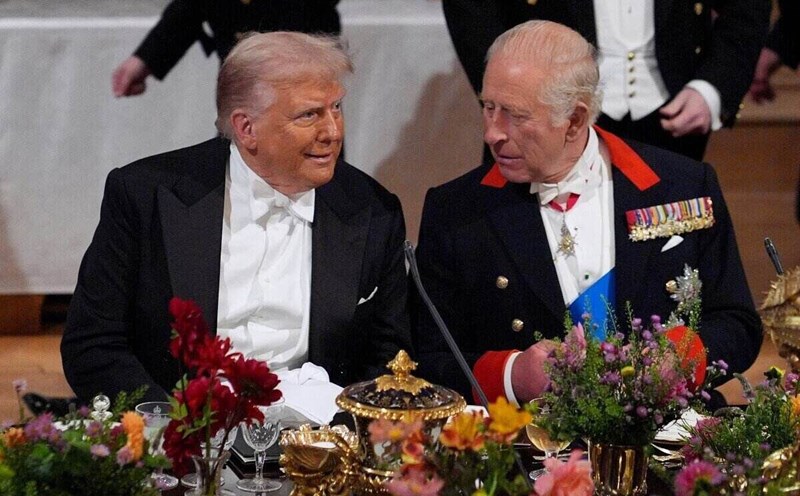
Speaking at a joint press conference with British Prime Minister Keir Starmer, Mr. Trump emphasized: "We gave them that basis without getting anything. We are looking for ways to get it back, because they also need a lot of things from us.
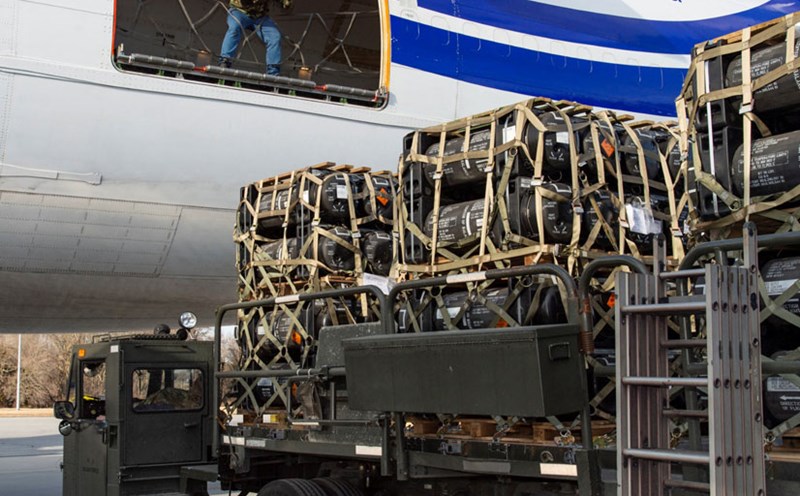
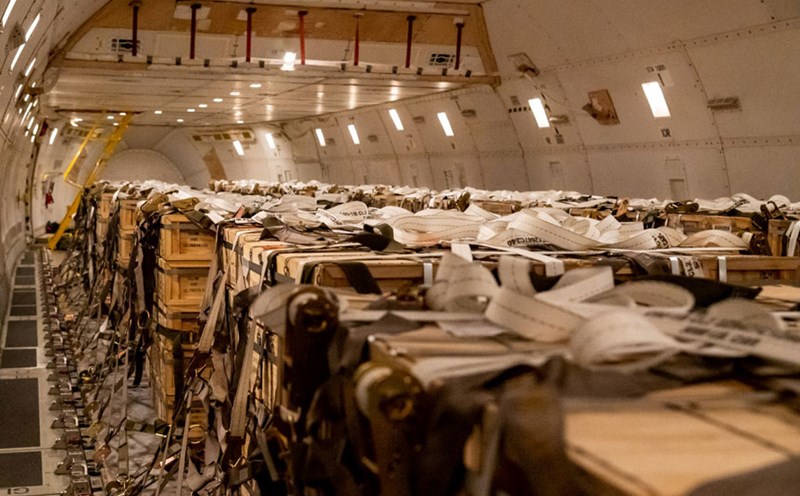
According to Mr. Trump, Bagram base is not only strategically significant in Afghanistan but also because it is about an hour of flight away from where China produces nuclear weapons. He has repeatedly criticized his predecessor Joe Biden for leaving behind a stronghold and many weapons in the hands of the Taliban after the chaotic withdrawal four years ago.
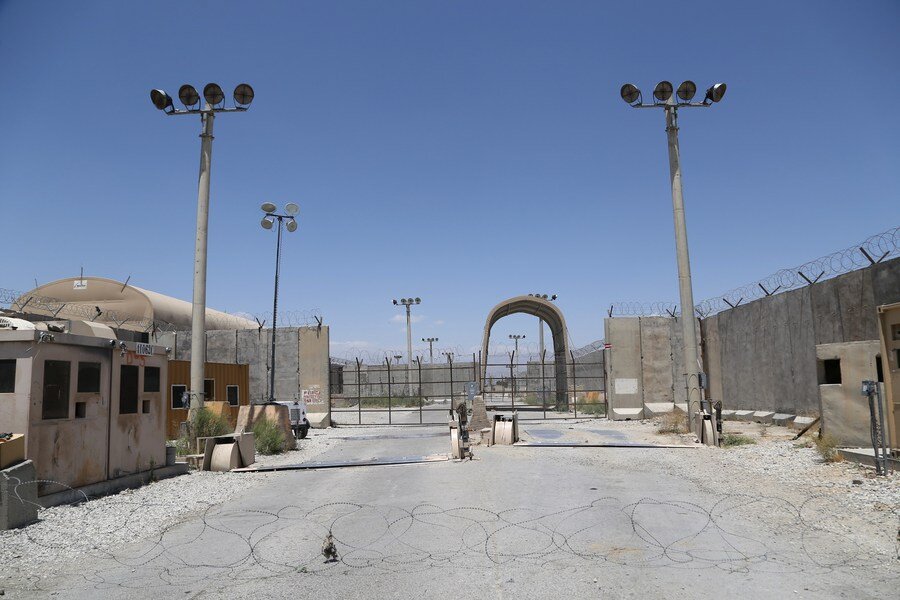
Bagram was once the largest US base in Afghanistan, with a 3,600m runway, capable of receiving heavy bombers and transporting airplanes. For Washington, this is an important pillar in the region, not only serving the anti-terrorist campaign but also monitoring neighboring powers.
However, the White House is still in the consultation stage, with no official decision and all plans depend on the ability to negotiate with the Taliban. Meanwhile, Taliban denied Trump's claim that China had controlled the base, saying Bagram was currently under Afghanistan's control.
Regarding the possibility of the US returning to Bagram, some experts warn that this move could further complicate relations between the US and countries in the region, which have been tense after many years of war.
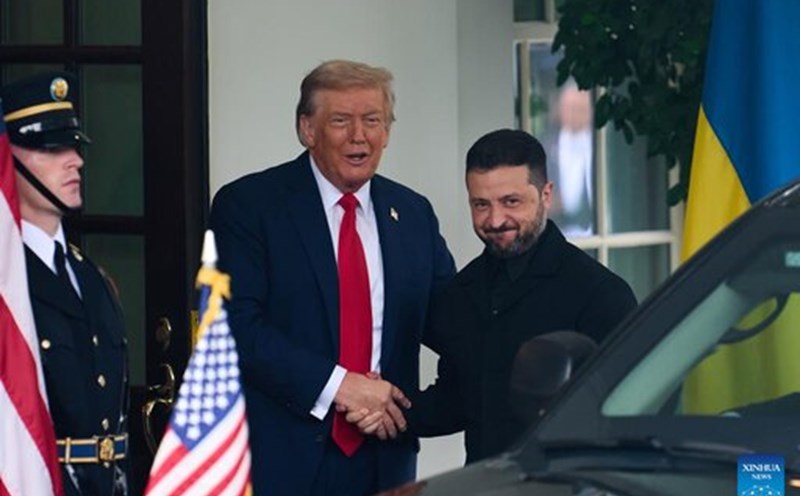
In addition to the Afghanistan issue, Mr. Trump also mentioned the Ukrainian conflict, expressing his disappointment with Russian President Vladimir Putin. I used to think this war would end just a few days after I took office, but Mr. Putin really disappointed me, he said.
Mr. Trump's speech immediately attracted attention from both the Western allies and opponents. Observers say that if the US truly seeks to re-ocquer Bagram, it will be a major turning point, signaling a stronger return of Washington to Afghanistan and expanding strategic competition with China.