Hầu hết những virus mới không giống bất kỳ virus nào đã được phát hiện cho đến nay.
Nghiên cứu đăng tải trên tạp chí Microbiome có thể giúp các nhà khoa học hiểu được virus đã phát triển như thế nào qua nhiều thế kỷ. Đối với nghiên cứu này, các nhà khoa học cũng đã tạo ra một phương pháp mới siêu sạch để phân tích vi khuẩn và virus trong đá mà không làm ô nhiễm nó.
Zhi-Ping Zhong, tác giả chính của nghiên cứu và là nhà nghiên cứu tại Đại học Bang Ohio, cho biết: “Những sông băng này được hình thành dần dần, và cùng với bụi, khí, nhiều loại virus cũng được tích tụ trong băng. Các sông băng ở miền tây Trung Quốc chưa được nghiên cứu kỹ lưỡng và mục tiêu của chúng tôi là sử dụng thông tin này để phản ánh các môi trường trong quá khứ. Và virus là một phần của những môi trường đó".
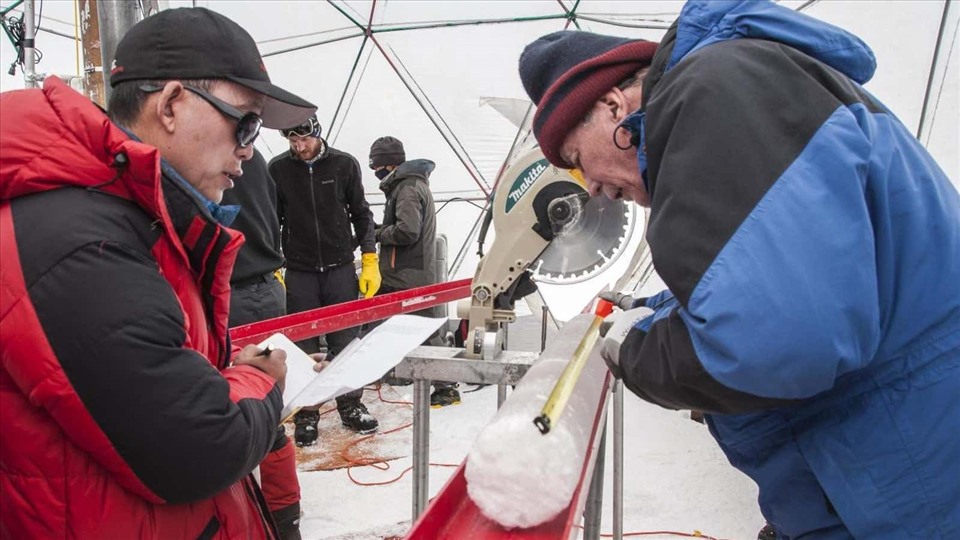
Các nhà nghiên cứu đã phân tích các lõi băng được lấy vào năm 2015 từ chỏm băng Guliya ở Tây Tạng. Các lõi được thu thập ở độ cao lớn - đỉnh Guliya - nơi bắt nguồn của băng này, cao hơn mực nước biển 6.700m. Các lõi băng chứa các lớp băng tích tụ năm này qua năm khác, giữ lại bất cứ thứ gì có trong bầu khí quyển xung quanh chúng tại thời điểm mỗi lớp đóng băng. Những lớp đó tạo ra một dòng thời gian, mà các nhà khoa học đã sử dụng để hiểu thêm về biến đổi khí hậu, vi khuẩn, virus và khí trong suốt lịch sử.
Các nhà nghiên cứu xác định rằng lớp băng này đã có tuổi đời gần 15.000 năm bằng cách sử dụng kết hợp các kỹ thuật truyền thống và mới lạ để xác định niên đại của lõi băng.
Khi phân tích băng, họ đã tìm thấy mã di truyền của 33 loại virus. Bốn trong số những loại virus này đã được cộng đồng khoa học xác định. Nhưng ít nhất 28 trong số đó là mới. Khoảng một nửa số virus dường như đã sống sót tại thời điểm chúng bị đóng băng.
Matthew Sullivan, đồng tác giả của nghiên cứu, giáo sư vi sinh vật học tại Đại học Bang Ohio và là giám đốc Trung tâm khoa học vi sinh vật của Đại học bang Ohio cho biết: “Đây là những virus có thể phát triển mạnh trong môi trường khắc nghiệt. Những virus này có dấu hiệu của các gene giúp chúng lây nhiễm vào tế bào trong môi trường lạnh - dấu hiệu di truyền siêu thực về cách một virus có thể tồn tại trong điều kiện khắc nghiệt.
Đây không phải là những dấu hiệu dễ dàng nhận biết. Phương pháp mà Zhi-Ping đã phát triển để khử nhiễm các lõi và nghiên cứu vi khuẩn và virus trong băng có thể giúp chúng tôi tìm kiếm các chuỗi gene này trong các môi trường băng giá khắc nghiệt khác, chẳng hạn sao Hỏa, Mặt trăng".
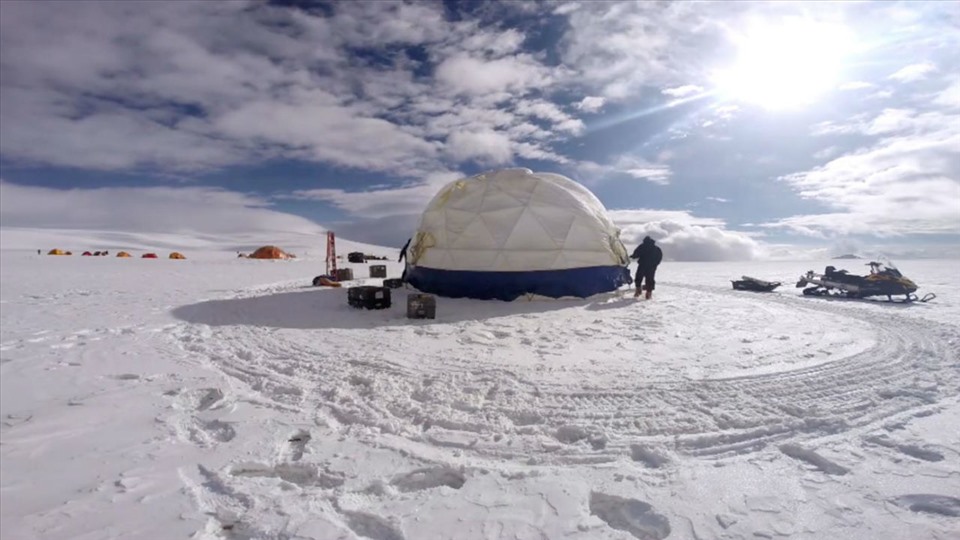
Nghiên cứu cho thấy 4 trong số các loại virus trong lõi băng Guliya trước đây đã được xác định và thuộc các họ virus thường lây lan vi khuẩn. Các nhà nghiên cứu phát hiện ra rằng virus ở nồng độ thấp hơn nhiều so với nồng độ được tìm thấy của virus tồn tại trong đại dương hoặc đất.
Phân tích của các nhà nghiên cứu cho thấy, virus có thể có nguồn gốc từ đất hoặc thực vật, không phải từ động vật hoặc con người.
Nghiên cứu về virus trong sông băng tương đối mới: Chỉ có hai nghiên cứu trước đây đã xác định được virus trong sông băng cổ đại. Lonnie Thompson, tác giả cao cấp của nghiên cứu, giáo sư khoa học trái đất tại Đại học Bang Ohio - cho biết, đây là một lĩnh vực khoa học đang trở nên quan trọng hơn khi khí hậu thay đổi.
Thompson nói: “Chúng ta biết rất ít về virus và vi khuẩn trong những môi trường khắc nghiệt này, cũng như những gì thực sự ở đấy. Hiểu biết về điều đó là vô cùng quan trọng: Vi khuẩn và virus phản ứng với biến đổi khí hậu như thế nào? Điều gì sẽ xảy ra khi chúng ta đi từ kỷ băng hà sang thời kỳ ấm áp như hiện nay?"