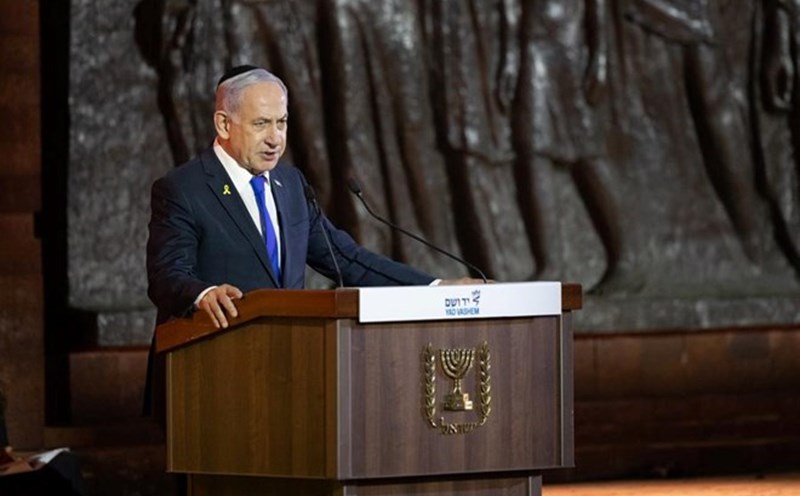
Netanyahu, the longest-serving prime minister in Israeli history, asserted that allegations of bribery, corruption, fraud and abuse of trust were all unfounded.
In the video making the announcement, he said the pardon was necessary because "anyone who wishes for good for the country should support this step". He also emphasized that he still believes he will be cleared of the case if the trial continues.
According to the document to the Israeli presidential palace, Netanyahu's lawyers argued that the prolonged trial had hindered his ability to govern the country, damaged national unity, and therefore the pardon was "for the benefit of the public". They say the Israeli president has the right to act in special cases.
However, this is an almost unprecedented requirement. The presidential palace headed by Isaac Herzog called it an unusual proposal with serious consequences, and said it would consider carefully after receiving appraisal opinions from the Ministry of Justice.
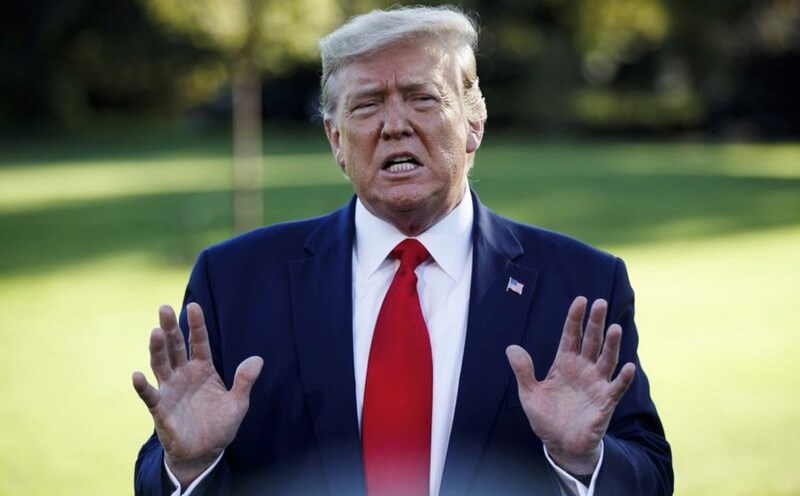
Notably, US President Donald Trump sent a personal letter to President Herzog this month, calling for an amnesty for Netanyahu, describing the trial as a politically motivated prosecution. This immediately sparked fierce debate within Israel.
As usual, Netanyahu's amnesty request will be forwarded to the Justice Department's amnesty department for legal opinions before being submitted to the president's legal adviser for final recommendations.
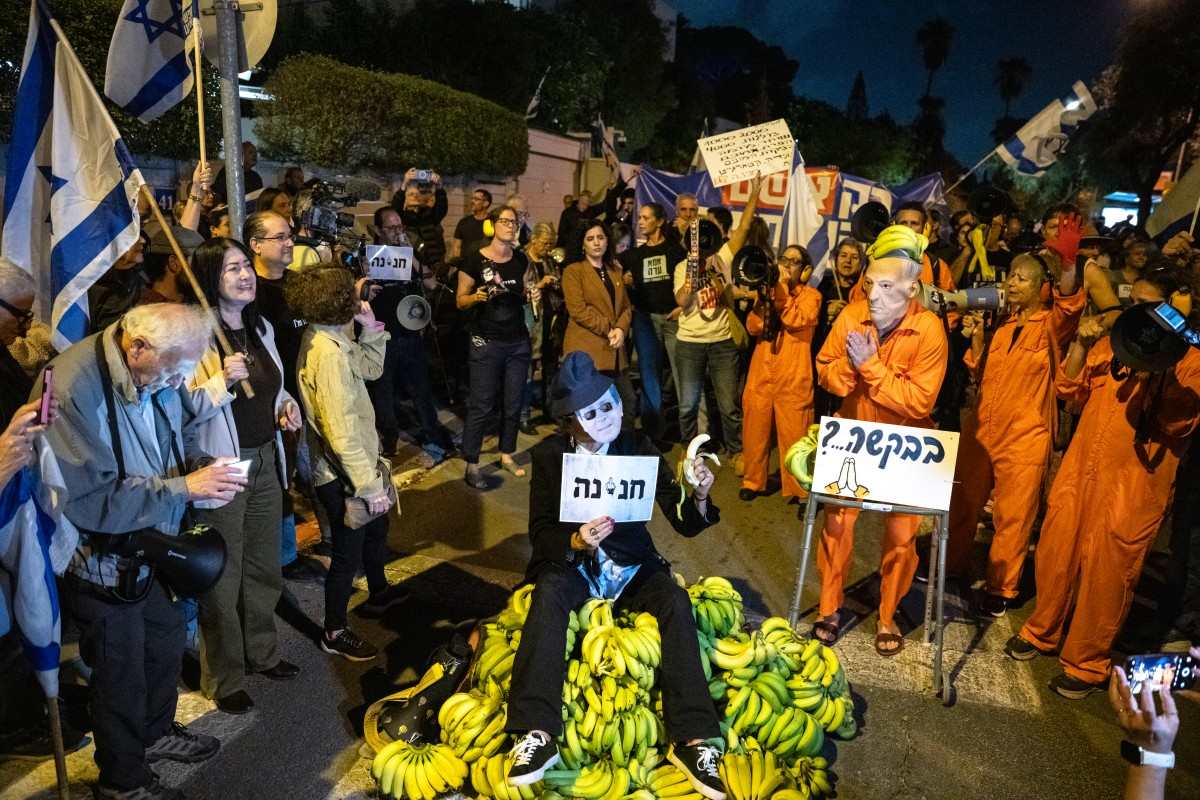
Meanwhile, the opposition immediately strongly opposed it. Opposition leader Yair Lapid declared: "There cannot be an amnesty without admitting to guilt, expressing remorse and leaving political life".
Former Deputy Chief of the General Staff Yair Golan also called on Netanyahu to resign and suggested the President completely reject the request.
Prime Minister Netanyahu said he must appear in court three times a week, which he described as unrealistic for any citizen, especially a prime minister who shoulders national responsibility.
He has been prosecuted since 2019 in three cases related to allegations of receiving large-value gifts and favoring the media in exchange for beneficial reporting.
Despite all the accusations, Prime Minister Netanyahu has maintained a strong influence in Israeli politics. He returned to power after the 2022 election and is leading the most far-right coalition in the country's history, but polls show that his coalition will hardly win a majority in the next election in October 2026.
Mr. Netanyahu's name continues to be associated with major changes: From the horrific attack on October 7, 2023 by Hamas, to the prolonged military campaign that caused heavy devastation and international controversy in Gaza. This has further increased the corruption trial and now his request for amnesty has become the focus of public dis dividend.