
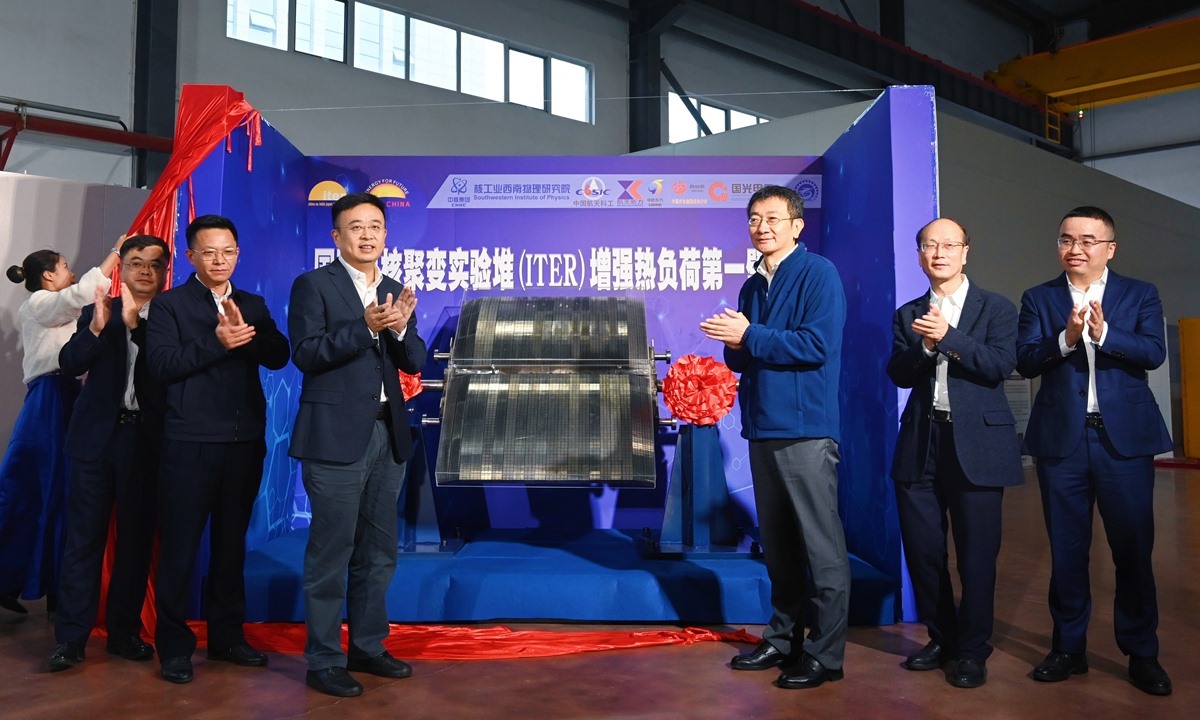
Ngày 23.11, Hoàn cầu Thời báo dẫn thông tin từ nhóm nghiên cứu Trung Quốc cho biết, quá trình sản xuất các thành phần lõi của "mặt trời nhân tạo" thế hệ tiếp theo - nguyên mẫu kích thước đầy đủ của tấm ốp tường tăng cường truyền tải nhiệt đầu tiên (EHF FW) - đã được hoàn thành ở Trung Quốc với các chỉ số lõi tốt hơn đáng kể so với yêu cầu thiết kế, và đáp ứng các điều kiện để sản xuất hàng loạt.
Sự kiện này đánh dấu một bước đột phá mới của Trung Quốc trong nghiên cứu khoa học về công nghệ lõi của EHF FW.
Còn được gọi là "mặt trời nhân tạo" lớn nhất thế giới, lò phản ứng thử nghiệm nhiệt hạch quốc tế (ITER) để thăm dò và phát triển năng lượng tổng hợp hạt nhân là một trong những dự án khoa học quốc tế lớn nhất và sâu rộng nhất trên thế giới.
Đây đồng thời là dự án khoa học quốc tế lớn nhất và là dự án hợp tác công nghệ mà Trung Quốc tham gia với tư cách bình đẳng với EU, Ấn Độ, Nhật Bản, Hàn Quốc, Nga và Mỹ.
Trung Quốc ký thỏa thuận về việc khởi động dự án ITER với sáu bên khác vào năm 2006 và đã gánh vác trách nhiệm khoảng 9% nhiệm vụ.
Quá trình nghiên cứu mặt trời nhân tạo ở Trung Quốc đã có bước đột phá vào tháng 10 khi đạt dòng điện plasma HL-2M trên 1 triệu ampe, lập kỷ lục mới về hoạt động của phản ứng tổng hợp hạt nhân có kiểm soát ở nước này.
Tấm ốp tường EHF FW có thể chịu được nhiệt độ ion plasma bề mặt của lõi lò phản ứng lên tới 150 triệu độ C, nóng hơn khoảng 10 lần so với mặt trời thực. Trong quá trình vận hành ITER, đây là thành phần lõi quan trọng nhất của lò phản ứng, liên quan đến công nghệ lõi của việc xây dựng lò phản ứng nhiệt hạch.
Công nghệ do Trung Quốc làm chủ trước đây đã dẫn đầu trong việc đáp ứng chứng chỉ quốc tế.
Mảng nguyên mẫu kích thước đầy đủ của EHF FW được Viện Vật lý Tây Nam thuộc Tập đoàn Hạt nhân Quốc gia Trung Quốc (CNNC) phát triển.
Sau khi sản xuất các thành phần của EHF FW theo lô, các nhà nghiên cứu đã hoàn thành việc hàn và lắp ráp các bộ phận bằng cách khắc phục những trở ngại như nhiệt độ cao, cắt điện...
Nhóm nghiên cứu Trung Quốc - dẫn đầu trong việc sản xuất nguyên mẫu trong nhóm quốc tế - một lần nữa đã tạo ra bước đột phá kỹ thuật đáng kể cho việc nghiên cứu và phát triển các thành phần chính của ITER, đánh dấu việc thực hiện nghiêm túc cam kết quốc tế của Trung Quốc.
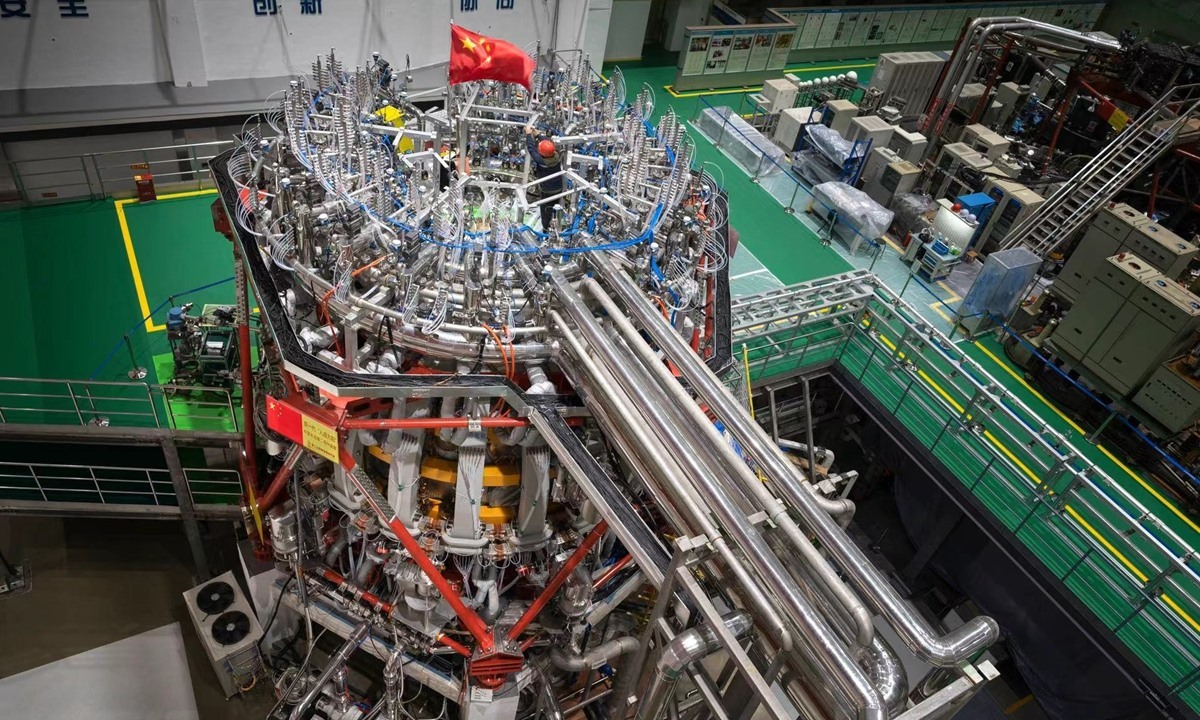
Luo Delong - Giám đốc Trung tâm thực hiện chương trình năng lượng tổng hợp hạt nhân quốc tế Trung Quốc, thuộc Bộ Khoa học và Công nghệ - đã phát biểu về thành tựu này và nói rằng nhóm nghiên cứu Trung Quốc đạt được những thành tựu to lớn sau nhiều năm nỗ lực, cùng rất nhiều công việc nghiên cứu và phát triển hiệu quả.
Qua đó, Trung Quốc đã nắm vững nguyên tắc của quy trình và tạo ra những bước đột phá về công nghệ một cách độc lập, đồng thời cung cấp “trí tuệ Trung Quốc” và “kế hoạch Trung Quốc”, đóng góp to lớn vào việc làm chủ các công nghệ then chốt, thực hiện các cam kết quốc tế và thể hiện trách nhiệm của mình - ông Luo nói.


