The event that Chinese and German scientists called the Rimae Bode region an ideal destination for the 2030 mission has caused a stir among observers. Rimae Bode is not a strange name; this place was originally a key target in NASA's (USA) Constellation program before this project was cancelled in 2010.
China's public targeting of the area that was once "in US sights" shows that a race for a prime location on the Moon is heating up more than ever.
This area is particularly attractive to experts because of the diversity in geological samples, from volcanic fragments to ancient lava flows, providing valuable data to decode the history of the satellite's formation.
The reason Rimae Bode was chosen lies in the perfect combination of scientific value and safety conditions.
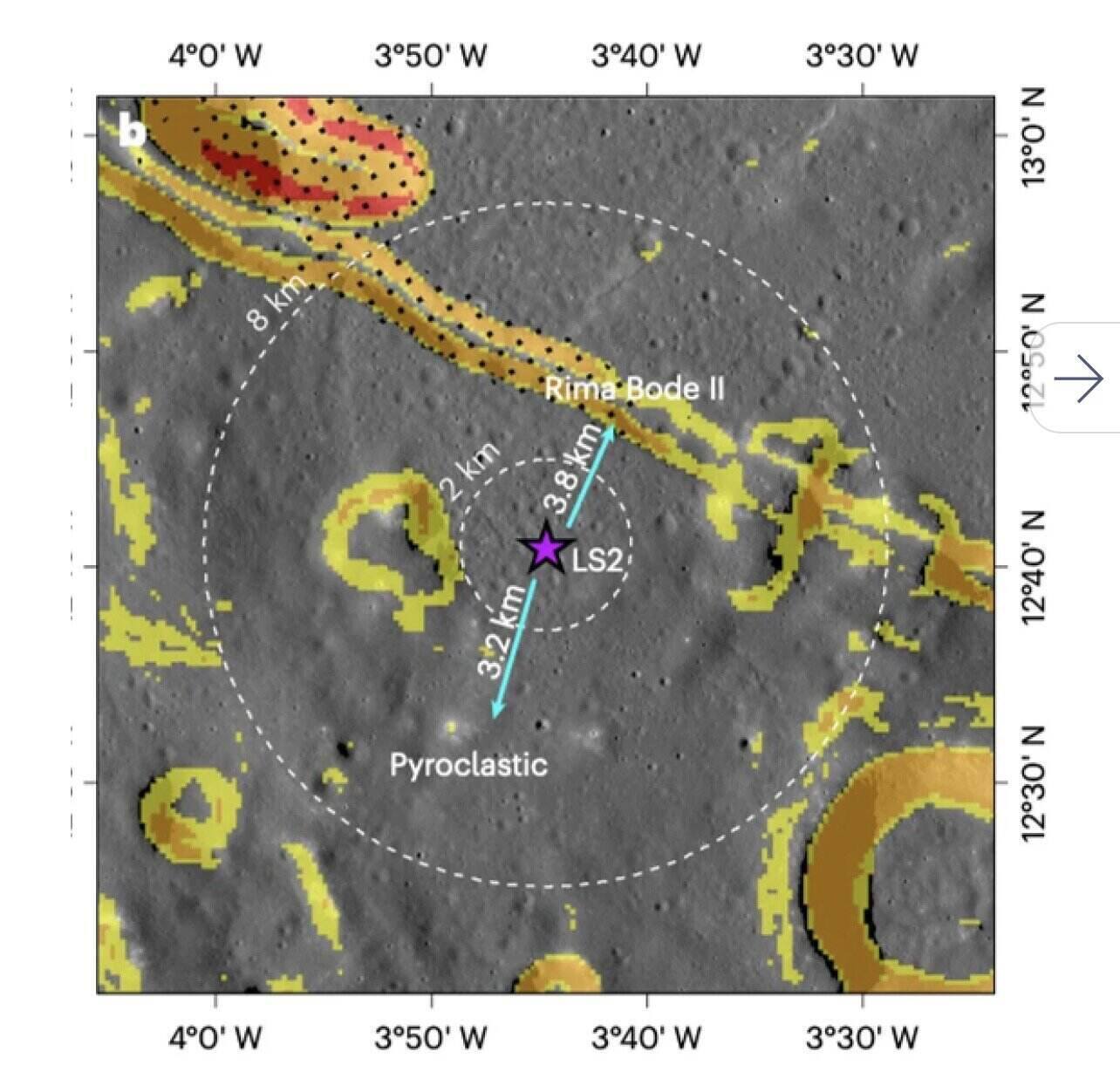
According to an article in the journal Nature Astronomy, this area has relatively flat terrain, few large impact craters and is located at low latitudes, making it easy for spacecraft to access. Identifying low-slope landing points is extremely important, because lessons from history show that moving on slopes over 15 degrees will quickly exhaust astronauts when wearing heavy spacesuits.
In terms of geology, the research team used orbital image data to identify volcanic traces dating back 3.2 to 3.7 billion years. Here, there are winding valleys like riverbeds, formed from molten lava flows in the past.
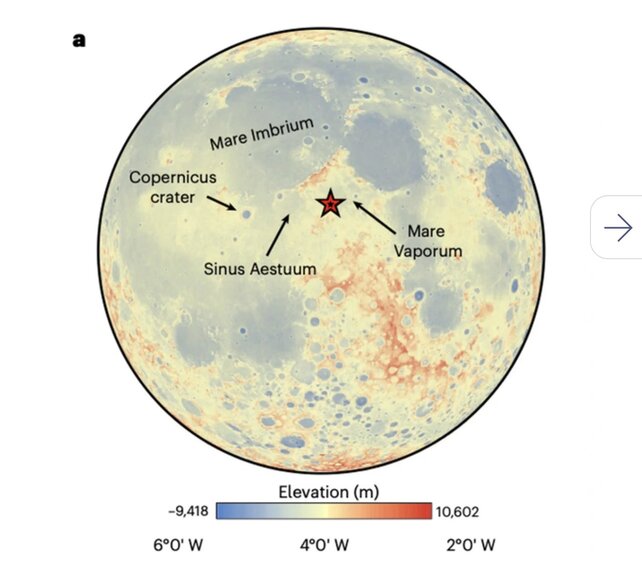
Bringing astronauts directly to the ground instead of using robots will allow the deployment of more complex geophysical measuring devices, similar to what the legendary Apollo missions did in the last century to completely change humanity's understanding of the Moon.
Currently, China is promoting logistics for the 2030 milestone by testing the Manchu passenger ship and designing specialized travel suits. The research team has also outlined optimal travel routes within a radius of 8km around the expected landing point to maximize the ability to collect specimens.
The similarity in location choice between China and NASA shows the strategic importance of this region in the new generation space race, where countries not only want to set foot but also want to build long-term research outposts.