
Toilet bằng gốm của người Trung Quốc cổ đại sử dụng trong thời nhà Tần (221-206 trước Công nguyên) đã được phát hiện tại Công viên Di chỉ thành Lạc Dương, thành phố Tây An, tỉnh Thiểm Tây - Hoàn cầu Thời báo đưa tin.
Di tích cổ bao gồm hai phần, một toilet trong nhà và một hệ thống đường ống bên dưới dẫn nước thải ra ngoài.
Các chuyên gia khai quật tòa nhà cổ số 3 tại Công viên Di chỉ thành Lạc Dương đã phát hiện di tích cổ này. Mặc dù cấu trúc phía trên của thiết bị vẫn chưa được tìm thấy, song Fan Mingyang - chuyên gia thiết kế chuyên về các công cụ nông nghiệp cổ đại - cho biết, nhà vệ sinh thời nhà Tần trông "có vẻ hiện đại" vì dường như nó có hệ thống xả nước tương tự như toilet hiện đại.
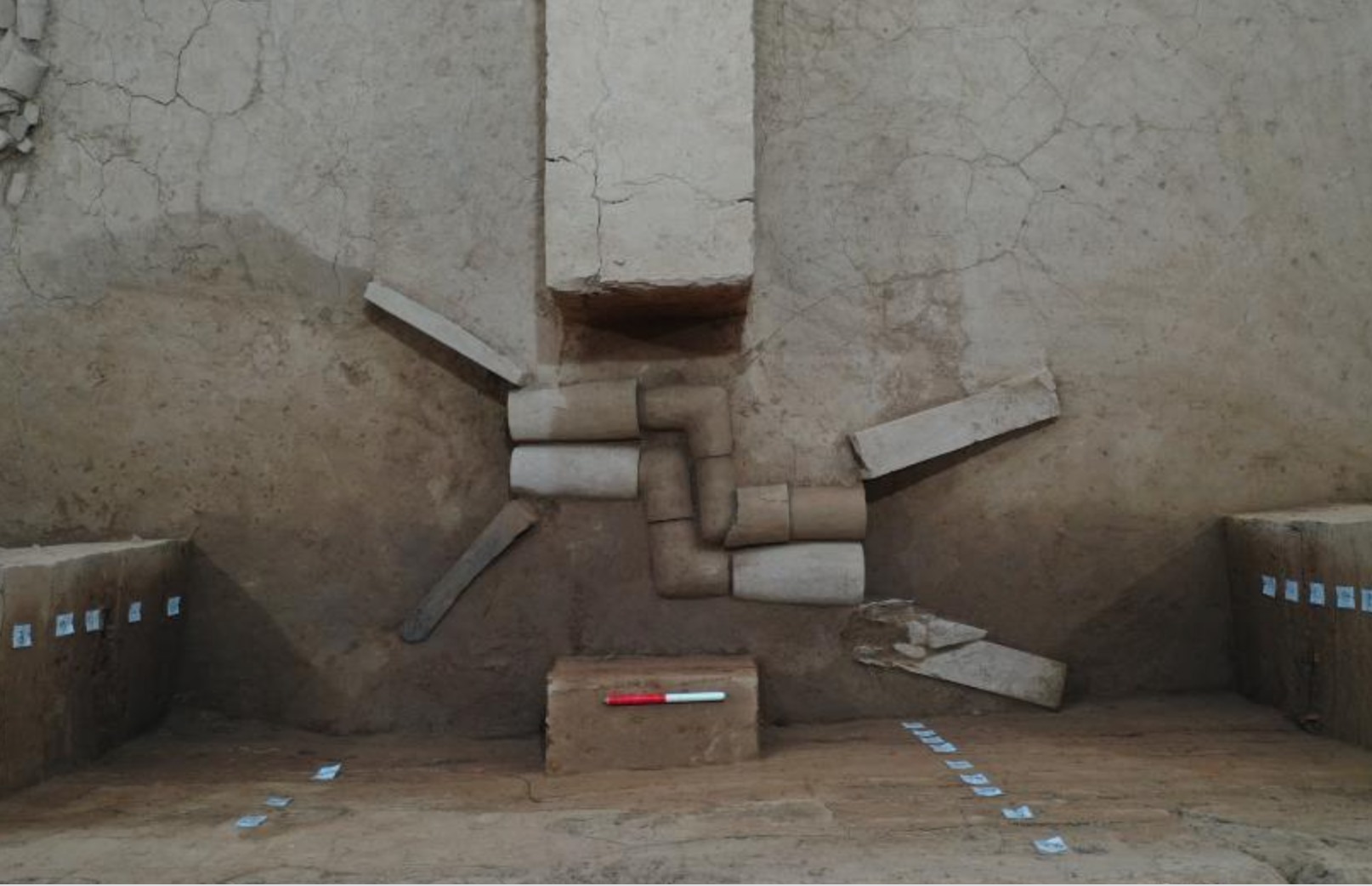
Đây là "nhà vệ sinh" duy nhất được phát hiện tại một địa điểm khảo cổ cung điện Trung Quốc cổ đại. Theo nhà khảo cổ Xue Feng, phát hiện này phản ánh lối sống và bối cảnh xã hội của cố đô nhà Tần.
Trước phát hiện nói trên, hai cung điện lớn, số 3 và số 11, đã được khai quật tại địa điểm này. Hai cung điện có niên đại từ thời Chiến Quốc (475-221 trước Công nguyên) đến các triều đại nhà Tần (221-206 trước Công nguyên) và nhà Hán (206 trước Công nguyên - 220 sau Công nguyên).
Điển hình của kiến trúc Trung Quốc cổ đại, hai tòa nhà hình chữ nhật hướng về phía nam. Theo Liu Rui, nhà nghiên cứu tại Viện Khảo cổ học, bốn wadang - loại ngói dùng để trang trí mái hiên nhà - cũng được phát hiện ở các góc tây bắc, đông bắc, tây nam và đông nam của cung điện số 3.
Liu lưu ý, các địa điểm này cung cấp dữ liệu quan trọng để tìm ra đáp án cho cuộc tranh luận học thuật liên quan đến nơi người cổ đại lắp đặt wadang.

Nằm ở quận Diêm Lương, Công viên Di chỉ thành Lạc Dương là kinh đô của nhà Tần trong hơn 30 năm, trước khi chuyển đến Hàm Dương, cũng thuộc tỉnh Thiểm Tây, dưới thời nhà Tần. Cải cách Thương Ưởng - cuộc cải cách quy mô lớn về chính trị, quân sự, kinh tế... do Thương Ưởng đề xuất ở nước Tần thời Chiến Quốc - cũng diễn ra tại Lạc Dương.
Có tổng cộng 15 địa điểm kiến trúc tại Công viên Di chỉ thành Lạc Dương. Chúng là tài liệu tham khảo tuyệt vời cho nghiên cứu về "quy hoạch đô thị" của nước Tần.
Theo dữ liệu thăm dò và khai quật, Liu cho biết các nhà nghiên cứu đã phát hiện ra một trục bắc nam xuyên qua toàn bộ tòa cung điện số 3. Phát hiện này có giá trị nghiên cứu bố cục kiến trúc của kinh đô cổ đại nhà Tần.


