In the town of Hoshcha in western Ukraine, data from local health facilities is reflecting the general population fluctuations of the whole country.
This year, local hospitals recorded only 139 births, down from 164 in 2024 and significantly lower than the figure of more than 400 cases per year recorded a decade ago.
Dr. Yevhen Hekkel said this decline is directly related to the participation of working-age men in the current conflict.
According to a report from the Institute of demography under the National Academy of Sciences of Ukraine, the country's population has decreased from 42 million people before February 2022 to less than 36 million people, including the population in Russian-controlled territories.
The institute's forecast models show that the population could continue to decline to 25 million people by 2051.
International data also recorded a similar situation. According to the 2024 estimate in the CIA World Factbook, Ukraine is currently among the countries with high mortality rates and low birth rates in the world, with an average of 3 deaths perborn person.
The average life expectancy of men also decreased from 65.2 years before the conflict to 57.3 years old in 2024.
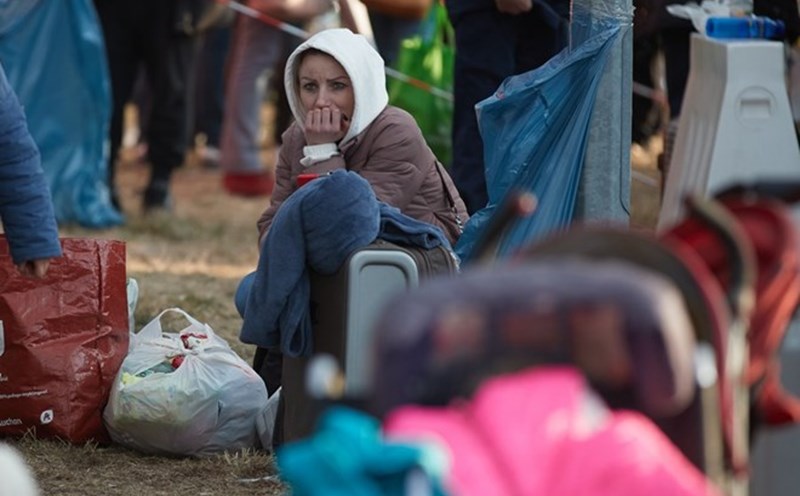
In addition to the mortality index, migration is a key factor affecting the population structure. The Center for Economic Strategy of Ukraine (CES) estimated that as of March, there were about 5.2 million Ukrainian citizens residing abroad, mainly in European countries.
Studies show that a significant proportion of these may be long-term settled in their home country. Experts predict that after the conflict ends and travel restrictions are lifted, there may be more male migration waves to reunite with families abroad.
The decline in population is putting great pressure on economic recovery plans. The Ukrainian government estimates that the country will face a shortage of about 4.5 million workers in the next decade. This shortage is expected to have the strongest impact on key industries serving reconstruction such as construction, technology and administrative services.
At the local level, the impact of this trend has begun to appear through the narrowing of social infrastructure. Some schools in rural areas such as Sadove village (near Hoshcha) have had to close or merge due to insufficient enrollment.
In terms of long-term prospects, independent forecasts from the United Nations published in 2024 suggest that Ukraine's population could fall to around 15 - 23 million people by 2100 if current demographic drivers remain unchanged.