
On December 4, the National Assembly Standing Committee gave its opinion on the explanation, acceptance and revision of group 5 of draft Laws amending and supplementing a number of articles of the Law on Education; Law on Higher Education (amended); Law on Vocational Education (amended).
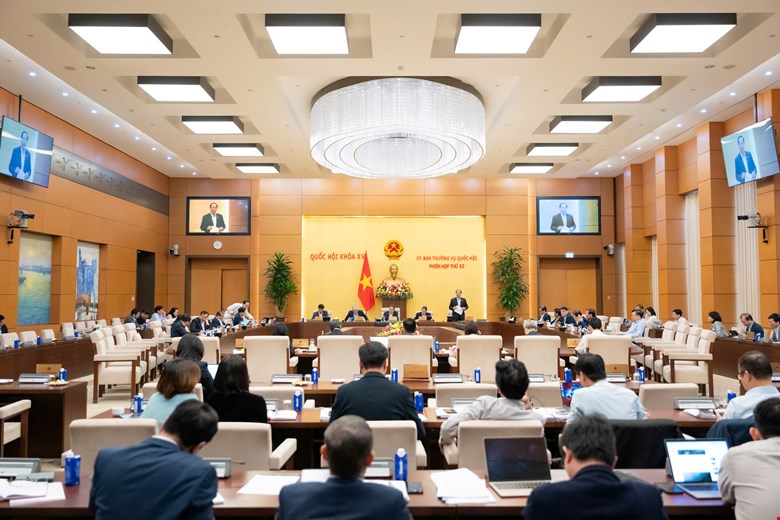
In the report on receiving and explaining the opinions of National Assembly deputies discussed in the Group and at the Hall; receiving and explaining the Official Inspection Report of the National Assembly's Committee on Culture and Society on the draft Law amending and supplementing a number of articles of the Law on Education, on exams and granting high school graduation certificates (Clause 9, Article 1 of the draft Law amending and supplementing Article 34), the Committee on Culture and Society said:
The current Education Law stipulates that students who have completed the high school program and meet the conditions prescribed by the Minister of Education and Training will be allowed to take the exam, and if they meet the requirements, they will be granted a high school graduation certificate by the head of the professional education agency under the Provincial People's Committee.
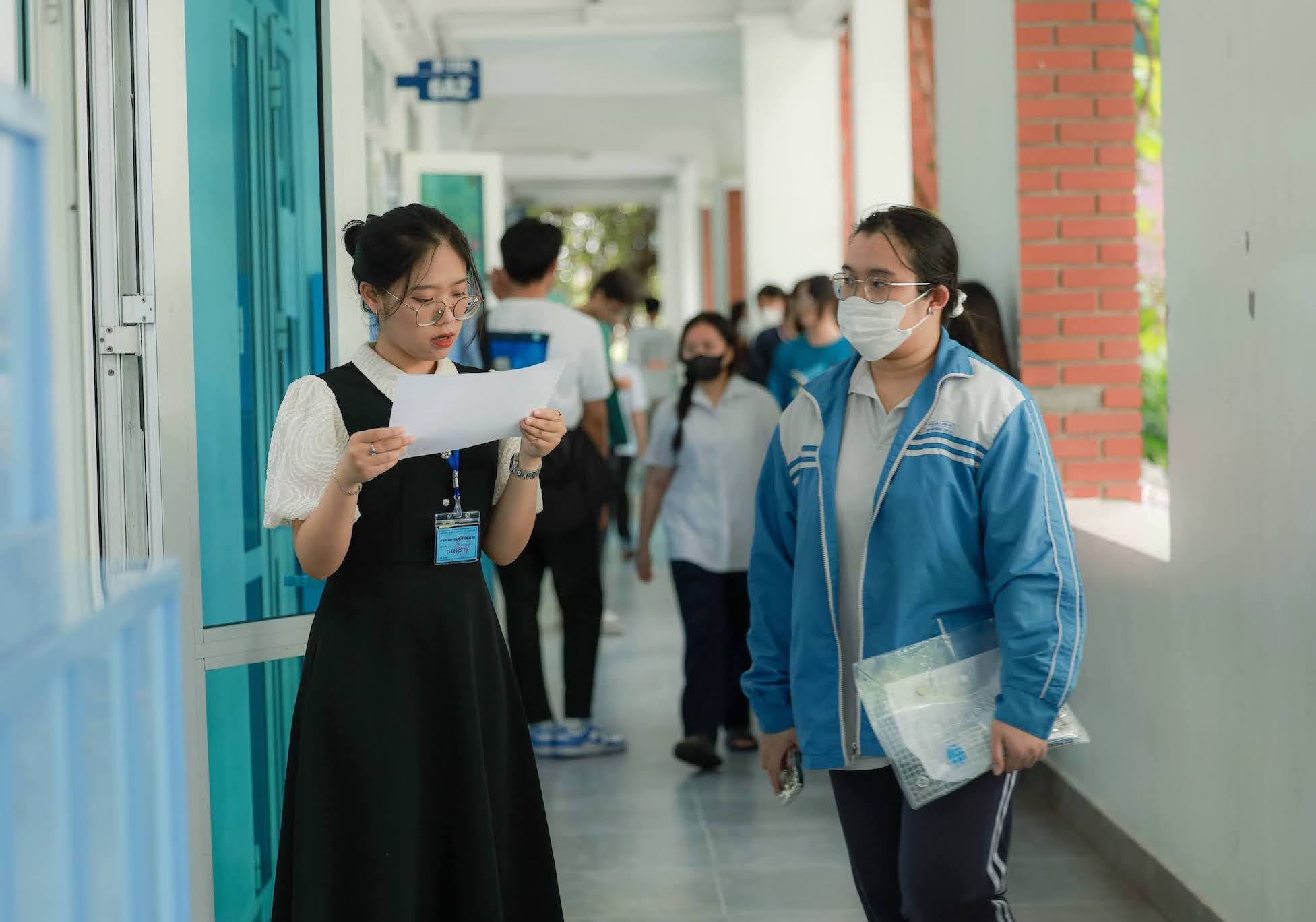
The Committee approved the provisions of the draft Law on organizing high school graduation exams and said that organizing exams to grant high school graduation certificates is necessary to assess students' level of general education standards, provide national data for research, development, adjustment of education policies and be a source of reference for higher education institutions and vocational training institutions to organize admissions, this is a national exam to analyze general education, evaluate student quality and the quality of educational institutions...
This exam is also mean to grant high school graduation certificates or grant certificates of completion of general education programs for the purpose of connecting and integrating into the international education system.
However, it is necessary to design regulations in the Law in the direction of: (i) Assigning the authority to prepare exam questions for the high school graduation exam to the Minister of Education and Training; (ii) Assigning the authority to organize exams to localities to ensure seriousness and quality.
There are opinions suggesting not to organize exams but to consider high school graduation to suit the goals and nature of this level of education; reduce pressure and costs due to exams. The admission for intermediate, college, and university should be handed over to higher education and vocational education institutions for admission.
There are opinions suggesting clarifying the value of the certificate of completion of the general education program.
Regarding these contents, the Government finds that maintaining the high school graduation exam is necessary in the current period. The exam not only aims to evaluate and recognize students who meet graduation standards but is also a tool to measure and reflect the quality of general education between regions; provide data for enrollment and education policy making.
Maintaining the exam helps ensure consistency, objectivity, discipline and motivation for learning, even though it still puts certain pressure and costs. On the contrary, if the exam is absent, the assessment at the grassroots level will reduce pressure but will easily be un subjective and difficult to ensure fairness. Therefore, the Government recommends continuing to organize the high school graduation exam, and at the same time, studying and improving the organization process in a concise, transparent direction, applying technology to ensure effective and real quality.
In response to the review's opinions, the Government will direct the Ministry of Education and Training, according to its authority and assigned functions and tasks, to revise the Regulations on high school graduation exams to clarify the authority to issue exam questions for high school graduation exams to the Minister of Education and Training, and assign authority to organize exams to localities to ensure seriousness and quality.


