
The move is seen as a strategic step to strengthen energy security for Kiev in the context of prolonged conflict.
Ukrainian national oil and gas corporation Naftogaz announced that gas from Germany is being transported through the LNG port located on Rügen Island - Germany's largest island. The information was also confirmed by the port operator.
This LNG port, called "German Baltic", has the function of recharging LNG transported by ship, including supplies from the US, before pumping into the German pipeline system and transporting across Europe. This winter, port operations have increased sharply to meet heating demand.
The operating unit, Deutsche ReGas, said that shipments to Ukraine will be transshipped through Poland and are expected to help Kiev meet its immediate energy needs.
The company emphasized that this is the only LNG port in Germany that is fully funded and operated by the private sector but is directly supplying gas to Ukraine.
CEO of Deutsche ReGas, Mr. Ingo Wagner, declared that the company is "particularly proud" to be able to directly contribute to Ukraine's energy security. He said that these supply trips show the "strategic importance" of the Rügen facility to Central and Eastern Europe.
On the Ukrainian side, Naftogaz General Director Sergiy Koretskyj said that gas demand this winter is increasing due to the impact of the war. "This is the most difficult winter since the conflict broke out, due to continuous attacks on gas infrastructure and harsh weather conditions," he said.
Ukraine's energy system has repeatedly become a target of attack since Russia launched a large-scale military campaign. Kiev has also reported attacks on many other key infrastructure facilities.
According to Mr. Koretskyj, the new agreement with Germany opens up a reliable import route this year and is "the starting point for long-term cooperation". Naftogaz is continuing to diversify its supply sources and transportation routes to ensure stable supply.
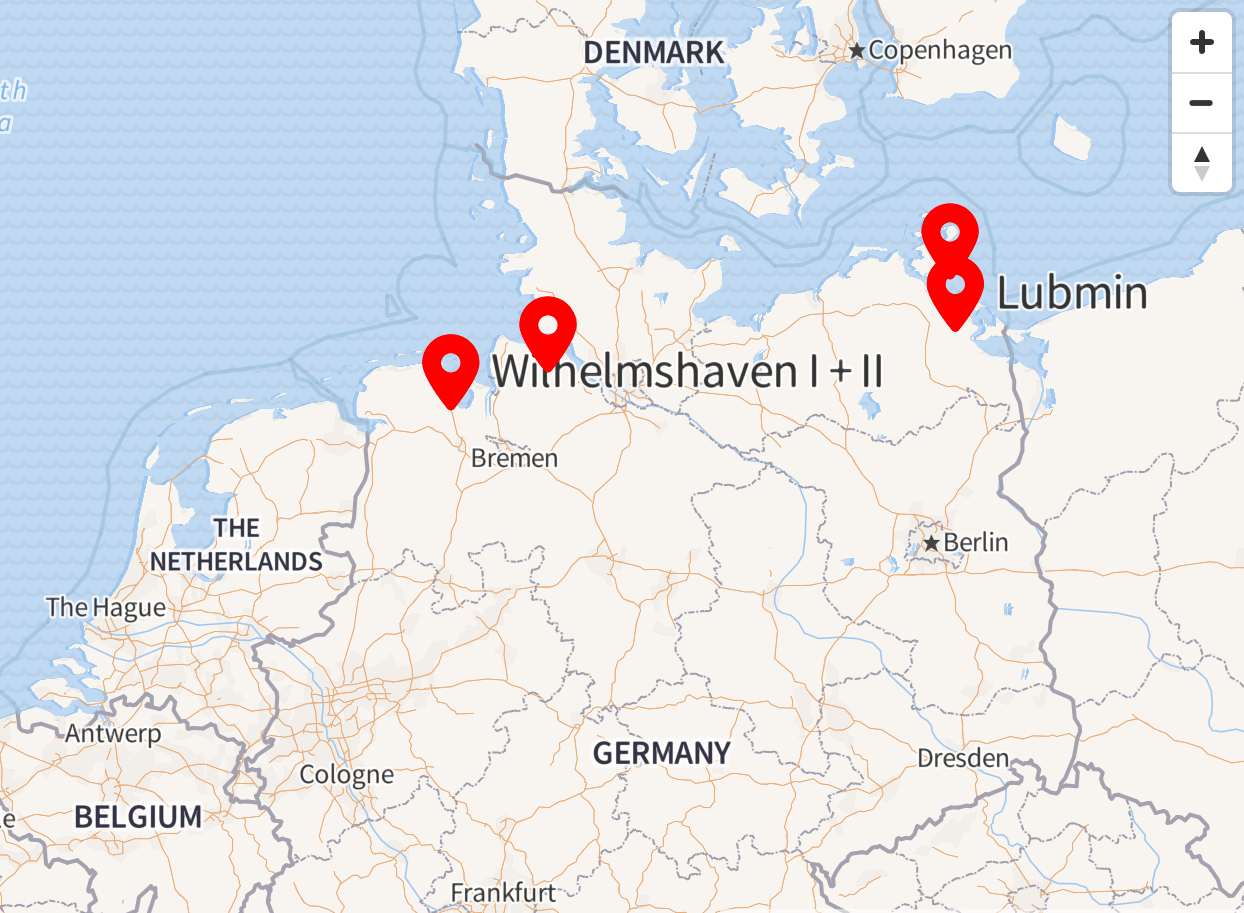
Germany currently has a total of 5 LNG ports operating, located along the coast of the North Sea and the Baltic Sea. Two floating ports operate near Wilhelmshaven, while other facilities are located in Brunsbüttel, Lubmin and Mukran port on Rügen Island.
Berlin's first direct gas supply to Kiev is not only of commercial significance, but also reflects a profound change in the European energy structure since the outbreak of the Russia-Ukraine conflict.


