
In recent years, Southeast Asian football has witnessed strong investment from many football backgrounds, from youth training, upgrading domestic leagues to supplementing resources for national teams. However, the level of development between teams is uneven, causing the ASEAN Cup 2026 situation to gradually form groups with different competitive capabilities.
Candidate group creates an advantage
The reigning champion Vietnam national team continues to be considered one of the top candidates for the championship. The team entered the tournament with a combination of experienced players and the next generation who have been given opportunities in the past time, creating a balance in terms of expertise as well as depth of force.
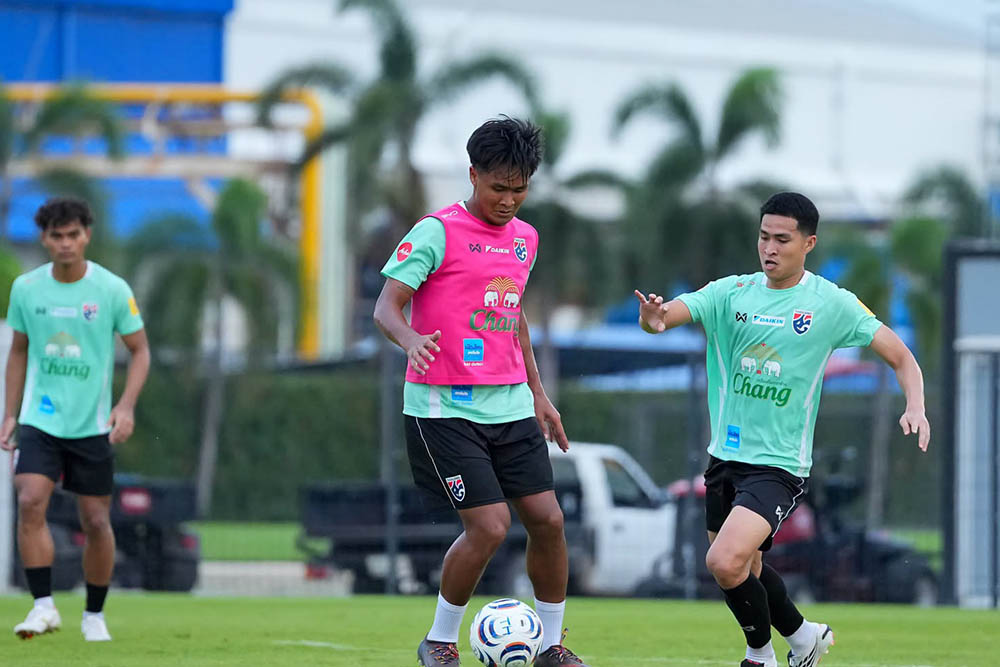
Besides the Vietnamese team, Thailand still maintains its position as a leading force in the region. A stable development foundation, quality of domestic leagues and international competition experience help this team always be present in the group competing for the championship in each ASEAN Cup.
Indonesia is also a name that receives many expectations. The rejuvenation process, the appearance of many players playing abroad and stability in playing style help the archipelago team become a formidable opponent. These are considered the three teams with the most advantages in the race for the championship this year.
Behind the leading group are Malaysia, Singapore and the Philippines. Malaysia continues to show ambition to raise the team level by improving the quality of the force in recent years. Singapore is still a difficult opponent thanks to its organization and tactical discipline, while the Philippines possesses many players with good physical foundation, physique and experience playing abroad.
The race behind promises many surprises
In the remaining group, Cambodia, Myanmar, Laos and Timor-Leste are still underestimated in terms of squad depth as well as competition experience in major tournaments. However, the professional gap between teams in the region is gradually narrowing through the process of investing in youth training, upgrading the competition system and strengthening international competition.
The reality of recent ASEAN Cups shows that lower-rated teams can completely create surprises if they maintain focus and take good advantage of opportunities. This makes the competition in the group stage predicted to be more unpredictable, especially in the context that the home-away format always brings certain advantages to each team.

The fact that ASEAN Cup 2026 is moved to a new schedule is also expected to contribute to improving the professional quality of the tournament. When taking place in a period that is more suitable for the schedule of many national championships in the region, teams have more conditions to summon the strongest forces and prepare more carefully for each match.
Looking at the current situation, Vietnam, Thailand and Indonesia are still the most prominent candidates for the championship. Meanwhile, Malaysia, Singapore and the Philippines are capable of fiercely competing for positions in the semi-finals. For the remaining group, the goal is not only to find points but also to affirm the progress of football through performances against strong opponents.
ASEAN Cup 2026 is therefore not only a competition for the number one title in Southeast Asia, but also reflects the development process of regional football. The stratification of strength is gradually becoming clearer, but the gap between teams is also expected to continue to narrow as many football backgrounds maintain long-term investment strategies and focus on developing successor forces.


