
On January 29, Minister of Agriculture and Environment Tran Duc Thang signed a directive to strengthen measures to ensure a joyful, healthy, safe, and economical Lunar New Year Binh Ngo 2026 with many contents directly related to the lives of people across the country.
The Minister requested units and localities to thoroughly grasp and seriously implement Directive No. 55-CT/TW dated December 22, 2025 of the Secretariat on organizing Binh Ngo Tet 2026; Directive No. 36/CT-TTg dated December 31, 2025 of the Prime Minister on organizing Binh Ngo Lunar New Year 2026 joyfully, healthily, safely, and economically; Official Dispatch No. 239/CD-TTg dated December 12, 2025 of the Prime Minister on urgently overcoming the consequences of natural disasters, restoring production and business, promoting consumption, serving the Tet needs of the people; best preparing conditions to serve the people to celebrate Tet and promote the recovery and development of production and business in the fields of agriculture and environment.
In particular, the Ministry of Agriculture and Environment requested to proactively grasp and closely monitor the developments of supply and demand of goods and services; the production and business situation of enterprises.
Coordinate with the Ministry of Industry and Trade and localities to ensure supply, especially for food, foodstuffs and essential goods, to meet the needs of the people before, during and after the Binh Ngo Lunar New Year.
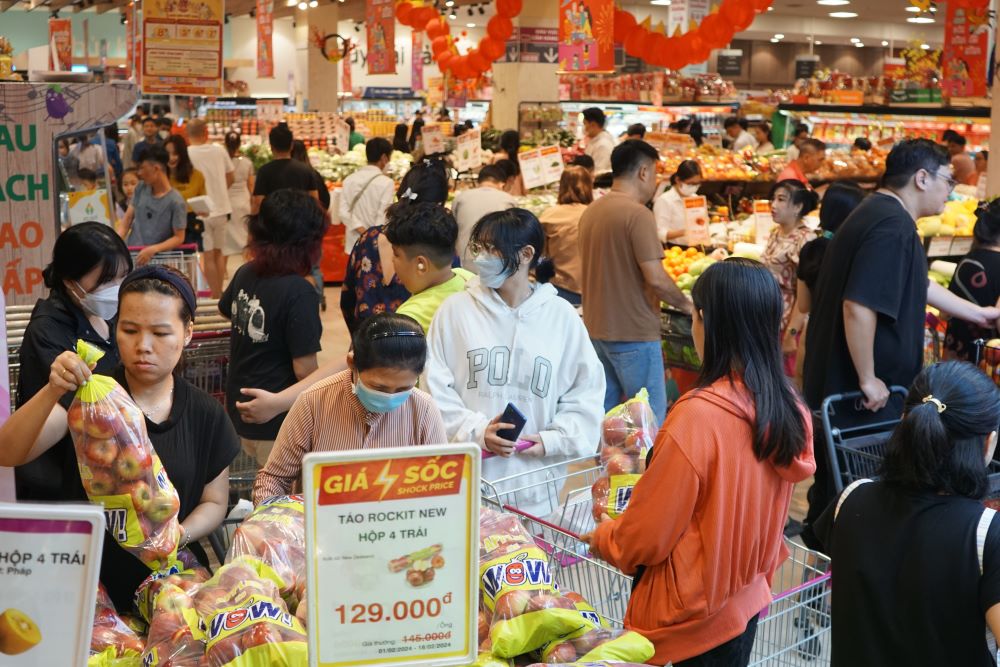
Coordinate with relevant agencies and units to drastically implement measures to inspect and control the domestic market, especially food safety and hygiene at agricultural wholesale markets, food and vegetable business establishments serving Tet; strictly handle violations to ensure quality and food safety and hygiene to serve consumer needs during Tet.
At the same time, requesting the Department of Environment to preside over and coordinate with units and localities to direct the continuous and effective operation of waste treatment systems and works, ensuring treatment meets national technical regulations on the environment; strictly control and supervise projects and facilities with high risk of environmental pollution, especially large sources of waste (industrial parks, industrial clusters, craft villages, production facilities...).
Monitor, observe, and supervise regularly and have timely plans to respond to air pollution in major cities and environmental incidents; collect and thoroughly treat domestic solid waste, absolutely not allowing garbage congestion in urban areas, commercial areas, and residential areas.
Coordinate with agencies to launch a nationwide movement to protect the environment with specific, practical, and effective plans.


