
On the afternoon of June 16, 2026, at the Presidential Palace, General Secretary and President To Lam met with 101 typical journalists who have won the National Press Award over the years, on the occasion of the 101st anniversary of Vietnam Revolutionary Press Day (June 21, 1925 - June 21, 2026).
Speaking at the meeting, the General Secretary and President emphasized that our country is entering a new stage of development. Opportunities are very large, but the requirements are also very high. The role of revolutionary journalism is even more important.
The press must maintain political bravery, improve information quality, listen to life, speak the truth, speak to the issue accurately and speak with responsibility to the Party, to the State, and to the people.
In the coming time, the General Secretary and President clearly stated that the press must contribute to consolidating social trust and protecting the ideological foundation of the Party. The press needs to do better in propagating the Party's guidelines and policies, and the State's laws.
Fighting against false and hostile information is a regular task. But fighting must not only be with slogans, with stances, but also with evidence, with arguments, with standard language, with a calm attitude and with professional prestige.
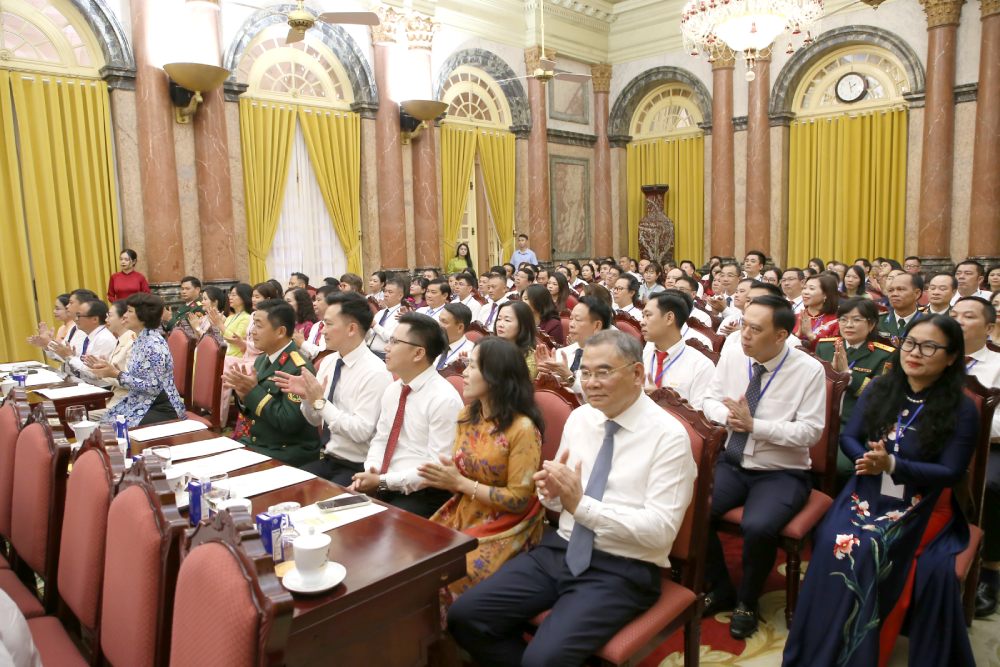
The press must stick to reality, respect the truth, and take the interests of the people as the starting point. Press agencies and journalists continue to spend more time for grassroots levels, for practical issues of people, businesses, and localities; promptly detect obstacles in policy implementation; reflect good models and good practices; speak out to protect honest people, people who dare to think and dare to do for the common good.
A good journalistic work does not necessarily have to use "big words". The important thing is that the article reflects the truth, is useful, responsible and touches on social issues that need to be solved.
The press must accompany the country's priority tasks in the new era. The press needs to participate with a constructive spirit: Detecting the right issues, reflecting the right reality, analyzing the right causes, and proposing the right direction. Criticism must be fair; encouragement must have a basis; struggle must be cautious, objective, not accusatory, and not discourage those who are striving to innovate.
In preventing and combating corruption, wastefulness, and negativity, journalism continues to be an important monitoring channel of society. Journalists need to be brave but also alert; resolute but humane; sharp but must comply with the law and professional ethics. Fighting against the wrong while protecting the right, creating an atmosphere to encourage officials to dare to do and dare to take responsibility for the common good.
In the digital media environment, the boundaries between information, entertainment and commerce are getting closer. Therefore, the press must maintain standards. Do not run after leniency, do not exploit pain to attract readers, do not turn private stories into "consumed goods". The press must make society calmer, more kind, and have more faith in good things.
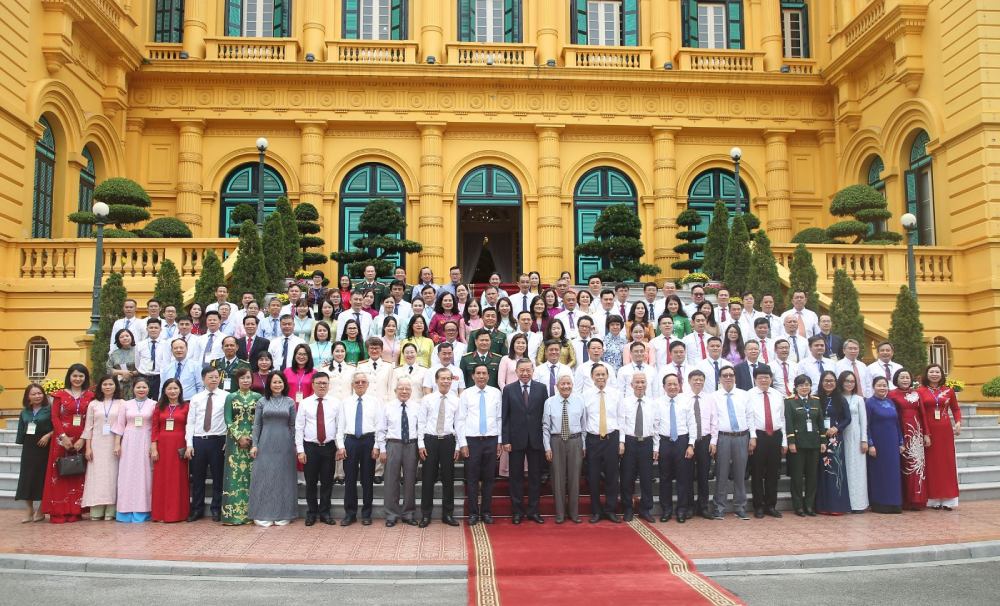
The General Secretary and President suggested that the press must strongly innovate professional methods in the digital age. Digital transformation in journalism is not just about using new tools. That is innovating journalistic thinking, content production processes, data management, distribution methods, ways of interacting with the public and copyright protection capacity, information security protection.
Artificial intelligence, big data, digital platforms can provide a lot of support, but cannot replace the political bravery, verification ability, professional sensitivity and social responsibility of journalists.
Press agencies need to build modern, multimedia editorial offices, capable of analyzing data, producing content for many platforms, reaching young audiences, and at the same time maintaining the depth, reliability and identity of Vietnamese revolutionary journalism.
It is necessary to pay attention to training and fostering the team; build a suitable financial mechanism; protect the legitimate and lawful professional rights of journalists; create conditions for the mainstream press to be competitive in the new media environment.


