
Getting people's opinions is a mandatory and necessary step
Chairman of Da Nang City People's Committee Nguyen Manh Hung has just signed and issued a plan to organize the collection of people's opinions on the establishment of 10 wards in the city, including: Hoa Vang, Hoa Tien, Ba Na, Dien Ban Tay, Nui Thanh, Tam Anh, Dai Loc, Nam Phuoc, Chien Dan, Thang Binh. These wards are proposed to be established on the basis of the status quo of 10 communes with the same name.
The collection of people's opinions is organized in the form of issuing household opinion forms. This is a direct approach, going to each affected community, instead of just collecting opinions within the scope of administrative agencies.
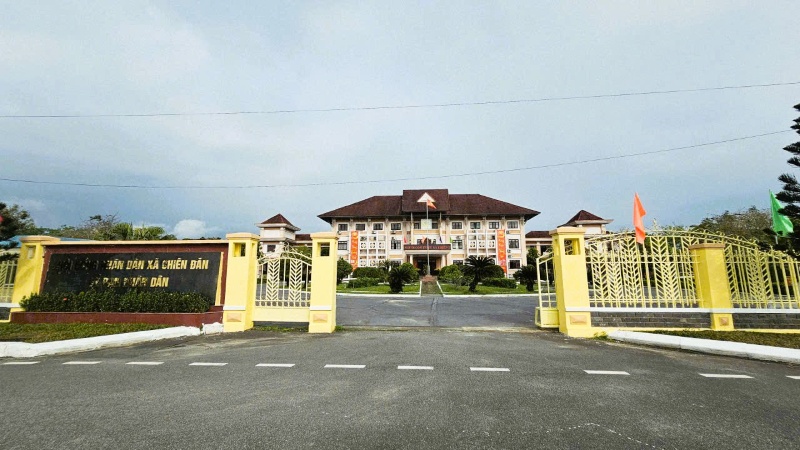
People's Committees of communes organize to collect people's opinions from June 6 and complete on June 7. After that, the Department of Home Affairs summarizes and advises the City People's Committee to report to the City People's Council, the Government Electronic Information Portal and the City People's Committee Electronic Information Portal, completing no later than June 10, 2026.
Previously, the Standing Committee of the Da Nang City Party Committee agreed on the policy of establishing wards based on the status quo of communes under the city, according to the proposal of the Party Committee of the City People's Committee.
A noteworthy point is that the project does not raise the issue of administrative boundary separation or merger, but transforms the management model from commune to ward for areas that have been and are having rapid urbanization, playing an increasingly large role in the new development space of the city.
According to the Da Nang Department of Home Affairs, the establishment of wards can directly affect people, from administrative addresses, documents, planning, land management, construction order, infrastructure investment to the way public services are provided. Therefore, people in related communes are not only the subjects notified, but must be the subjects to participate in giving opinions.
The process of collecting people's opinions is not just a procedure to complete dossiers. This is also a way for the government to measure the level of social consensus, listen to people's thoughts and ensure that those directly affected are involved in the decision-making process.
Why is it necessary to transform communes into wards?
According to Mr. Nguyen Quoc Thanh - former leader of Phu Ninh district, Quang Nam (now Da Nang), the deep reason for the transformation of communes into wards lies in the rapid changes in these areas.
Many communes in suburban areas, gateway areas, and driving forces for industrial, service, tourism and urban development of Da Nang are no longer purely rural.
Transportation infrastructure is invested, residential areas are expanded, commercial and service activities are developed, and the demand for planning, land, construction, environment and urban order management is increasing.
When an area has operated according to the urban rhythm, the commune-level management model is difficult to fully meet the new requirements. Grassroots governments not only solve ordinary people's livelihood problems, but also have to handle more complex issues such as construction management, urban embellishment, planning control, technical infrastructure, social infrastructure, transportation, environment and public services - Mr. Thanh stated his point of view.
Therefore, establishing a ward is not just changing the administrative name. This is a step to upgrade the governance model to suit the development nature of the area.
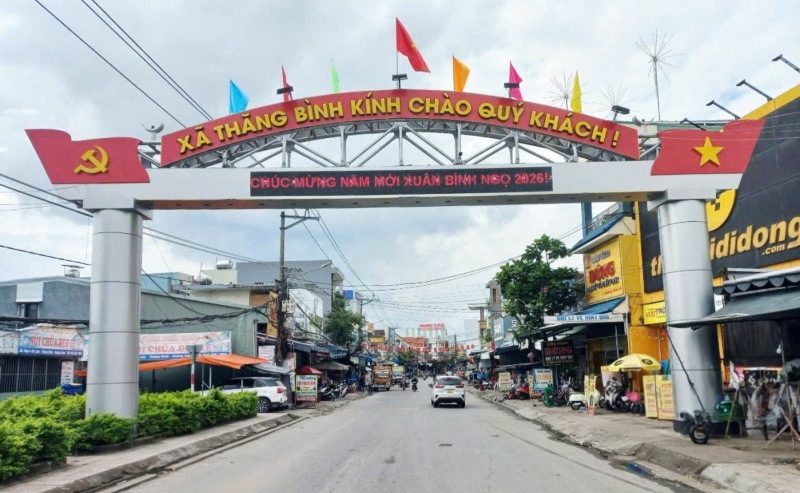
The establishment of 10 wards based on the status quo of 10 communes also shows that Da Nang chooses a cautious option: not disrupting boundaries, but proactively restructuring management space, raising urban government standards and preparing the foundation for a more synchronous and modern city.


