
When Ao Dai becomes the focus of controversy
In recent days, images of a foreign tourist wearing an outfit believed to be an ao dai combined with a bikini when visiting Hoi An ancient town have created many mixed opinions. Many people think that this way of dressing is offensive and not suitable for the heritage space as well as the cultural values associated with Vietnamese ao dai.
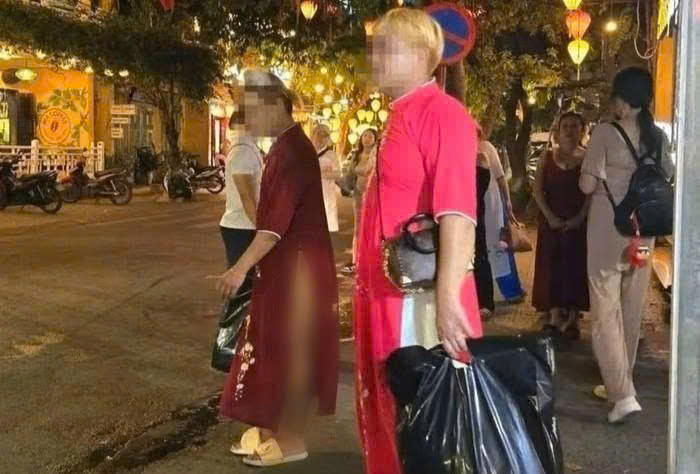
Talking to Lao Dong Newspaper, Mr. Nguyen Duc Binh - a traditional ao dai researcher - said that the public's reaction is understandable, because in the perception of many Vietnamese people, ao dai has long become a representative cultural symbol: "The core value of ao dai lies in the discreetness, simplicity and standards in the way of expressing oneself. These factors create the unique culture of Vietnamese people. Therefore, the fact that Hoi An people speak out in a way that is considered inappropriate is a understandable reaction".
However, according to experts, the story does not just stop at what a tourist wears, but also shows gaps in the way we position and protect our cultural symbols.
The problem here is that we lack a legal corridor for cultural symbols. Not only Ao Dai but many other symbols are also like that. Bronze drums are a cultural symbol of Vietnam, but there are no specific regulations on how to use them.
Khue Van Cac or Lac bird also appeared in controversial uses but it is very difficult to distinguish right from wrong due to lack of legal basis.
The same goes for ao dai, when there are no clear standards, it is very difficult to determine which is the appropriate use and which is the deviation from standard," Mr. Binh assessed.
According to the researcher, this gap is what makes society often react by cultural perception or public opinion, instead of relying on unified regulations or criteria.
There need to be clear standards
One of the issues that worries Mr. Nguyen Duc Binh is that even in Vietnamese society today, there is no consensus on awareness of Ao Dai.
Many controversies about modernized ao dai, performance ao dai or fashion designs with the shape of ao dai have appeared over the years. This shows that the concept of ao dai is still being understood in many different ways.
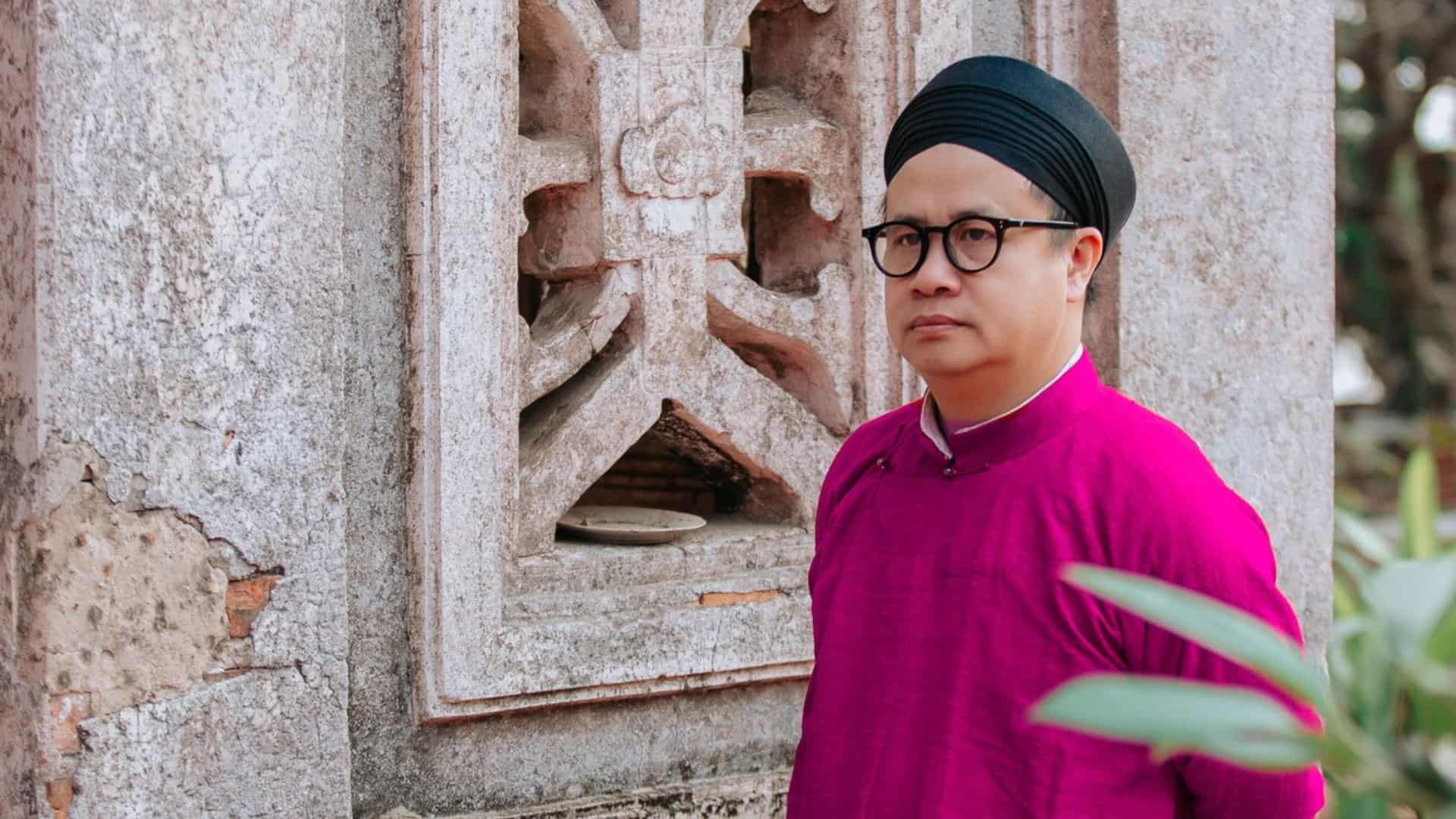
Mr. Binh also cited another inadequacy in the approach to Ao Dai today.
According to him, even in the Regulation on office culture at state administrative agencies (issued together with Decision No. 129/2007/QD-TTg dated August 2, 2007 of the Prime Minister), ao dai is regulated for women but does not mention men's ao dai, although men's ao dai appeared earlier in history.
To date, this regulation has not changed, showing that the recognition and behavior of ao dai in life still has shortcomings that need to be changed.
There are important occasions, but the vast majority of us who use ao dai are still not really suitable in the true sense that this is a cultural symbol. To propagate or promote, we must first understand the core values of ao dai," Mr. Binh said.
According to experts, creativity and innovation are necessary for Ao Dai to continue to be present in contemporary life. However, innovation needs to be based on the foundational values of traditional costumes.
A design may be more modern, more suitable for today's life, but if it goes too far from the core characteristics, it is a different type of clothing, no longer Ao Dai. We are confusing tradition and modernity, between traditional Ao Dai and designs that show personal imprints, so there are designs that are no longer recognized as Vietnamese Ao Dai," Mr. Binh expressed.
The researcher also believes that the story in Hoi An shows the important role of those who directly introduce Vietnamese culture to tourists.
Managers, Ao Dai sellers, and tour guides must all have knowledge about Ao Dai. If you want tourists to understand and respect the cultural value of this costume, first of all, those who are introducing Vietnamese culture must understand correctly. Each guide, each Ao Dai seller is a cultural ambassador. If we ourselves still do not understand correctly, it will be very difficult for tourists to understand correctly," Mr. Binh said.
In addition to propaganda work, Vietnam also needs to soon study more specific regulations and criteria for Ao Dai. This is not only the story of a type of clothing, but also an issue related to the preservation and promotion of Vietnamese cultural symbols in the current context of integration.


