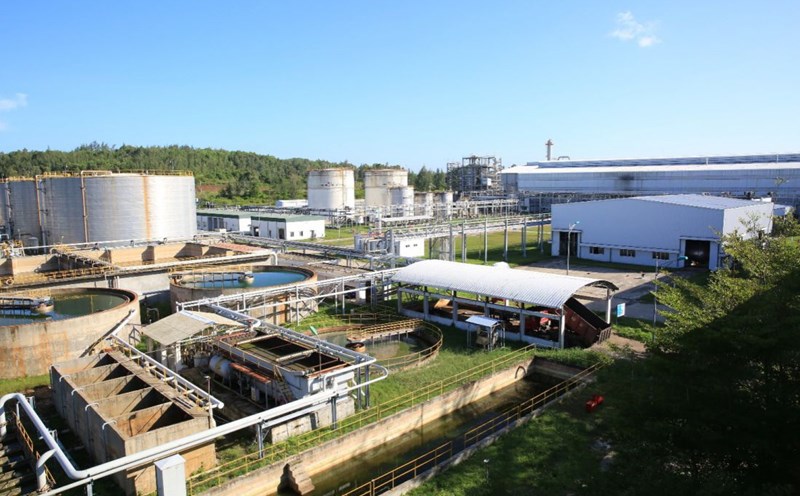
Reducing greenhouse gas emissions is a top priority
From the incinerator, the steam is heated through many levels before entering the turbine to convert to electricity. The heating exhaust system allows the use of excess heat to reduce the load on the stoppers and improve overall performance. This is one of the factors that help the factory reduce fuel consumption according to commercial power units, thereby reducing CO2 emissions, the type of gas that accounts for the largest proportion of total emissions.
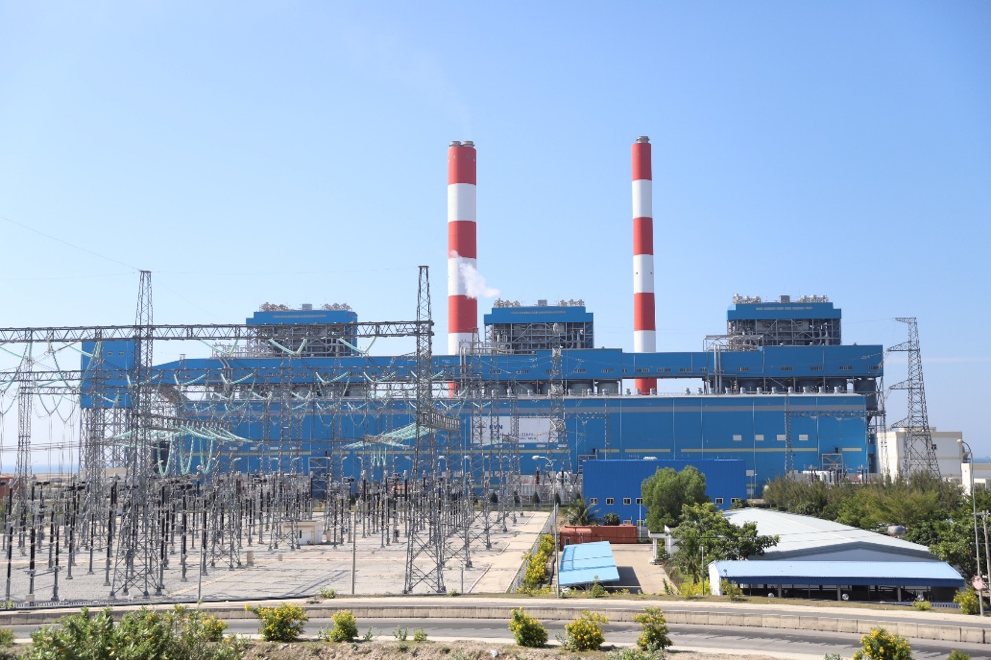
Along with that is a synchronously invested emission treatment system. The plants in Vinh Tan 4 Industrial Park are equipped with an electric static dust filtration system (ESP); sulfur decompression system (FGD) and Low NOx incineration technology.
In addition, Vinh Tan 4 State Bank has expanded and added an SCR system to treat NOx - a substance that pollutes the air and has an indirect impact on climate change. The smoke after being treated at all levels is strictly controlled for dust, SO2 and NOx levels before being discharged into the environment.
The flying debris and bottom ash from the coal burning process are collected, moisturized and transported in a closed-tab conveyor system to avoid spreading dust. The reuse of ashes for the production of cement, unburnt bricks and filling materials not only reduces pressure on the storage site but also brings environmental benefits in the direction of a circular economy.
Notably, the factory's report not only focuses on emissions from the incineration process but also details the assessment of smaller but highly hazardous emission sources.
A typical example is the unit that has detailed the power cutting system using SF6 gas, a gas capable of causing global warming tens of thousands of times higher than CO2, according to the global warming potential coefficient (GDP100) announced by IPCC.
Another specific source of emissions at the plant is CO2 from the hydrogen ventilation system of the generator. When starting or stopping the plant, CO2 is used to push the gas to avoid the risk of fire and explosion due to hydrogen exposure to the air. All of this gas is qualitized and included in direct emissions, fully reflecting the technological characteristics of the traditional electricity industry.
Careful wastewater treatment process
In addition to the gas emission sector, the plant also operates a modern industrial and domestic wastewater treatment system. Coal-contaminated and oil-contaminated wastewater is collected through a closed ditch system leading to the tank, then transported through the stages of oil separation, treatment, reorganization and biochemistry.
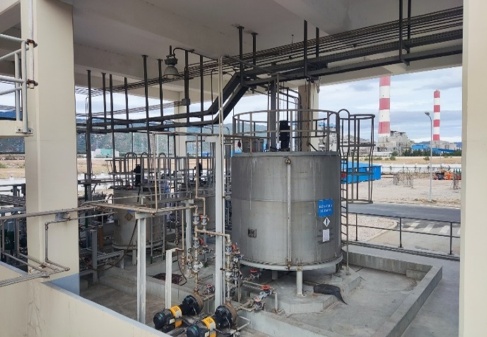
After being treated to meet standards, the water is continued to be reused for spraying coalstorms, washing conveyor belts and other industrial sanitation activities. The wastewater treatment process also generates CH4 and N2O, two types of greenhouse gases that have the potential to cause high heating and are all included in the inventory according to the calculation method of the Ministry of Agriculture and Environment.
The factory's system of more than 50 specialized vehicles, from handling vehicles, tankers, and bulldozers to shuttle vehicles for workers and employees, is also a source of detailed inventory of emissions. The report records the amount of fuel consumed per month, each type of vehicle and includes in the calculation the amount of CO2, CH4 and N2O arising from mobile operations.
This is the basis for the factory to optimize the transportation route, improve engine performance and evaluate the ability to gradually switch to more energy-efficient vehicles in the future. In addition to technical solutions, the factory also invests in ecological space with nearly 12 hectares of green trees arranged in the campus.
Large areas of trees contribute to partially absorbing CO2 and reducing surface temperatures, which are positive impacts but are often overlooked in heavy industrial models. Along with an automatic environmental monitoring system, the enterprise builds a rich operating data warehouse, creating a platform for real-time emission monitoring and improving equipment performance.