
From script to mastering: a closed process in the recording studio
The recording studio is equipped with soundproofing systems, specialized microphones, mixer tables and post-production software, creating conditions for Communication Technology students to practice according to the complete podcast production process.
The process starts from brainstorming ideas and scripts: students identify the topic, audience, content structure and presentation for each platform. Next, students directly record, get acquainted with the device, control the reading voice and signal quality. In post-production, students perform editing, editing, noise processing and mastering before completing the podcast set.
Instead of just practicing individual skills, continuous participation helps students practice both production skills and output quality control.
Put audio files into operation on a reality platform
A quality audio product only truly values when packaged and operated properly. This is a link that most self-taught people often ignore.
At VLU, after post-production, students continue to practice artwork design, write show notes and optimize titles and keywords so that podcasts can be easily found on platforms. Through this, podcasts are no longer just a simple audio file. Students approach products from the perspective of a media channel with content, images, distribution platforms and feedback data from listeners.
The door to the profession is opening up for audio content creators
Podcasts are currently a strategic touch point in inbound marketing, creating a large recruitment demand for positions: Podcast Producer, Audio Content Specialist, Sound Editor or Media Executive at agencies, corporations and press agencies.
Skillfully operating the channel production and operation process right at the school helps students narrow the gap between academic and practical. Graduating with a published real-world audio portfolio helps students confidently conquer employers.
Podcast in the "convergence production" model
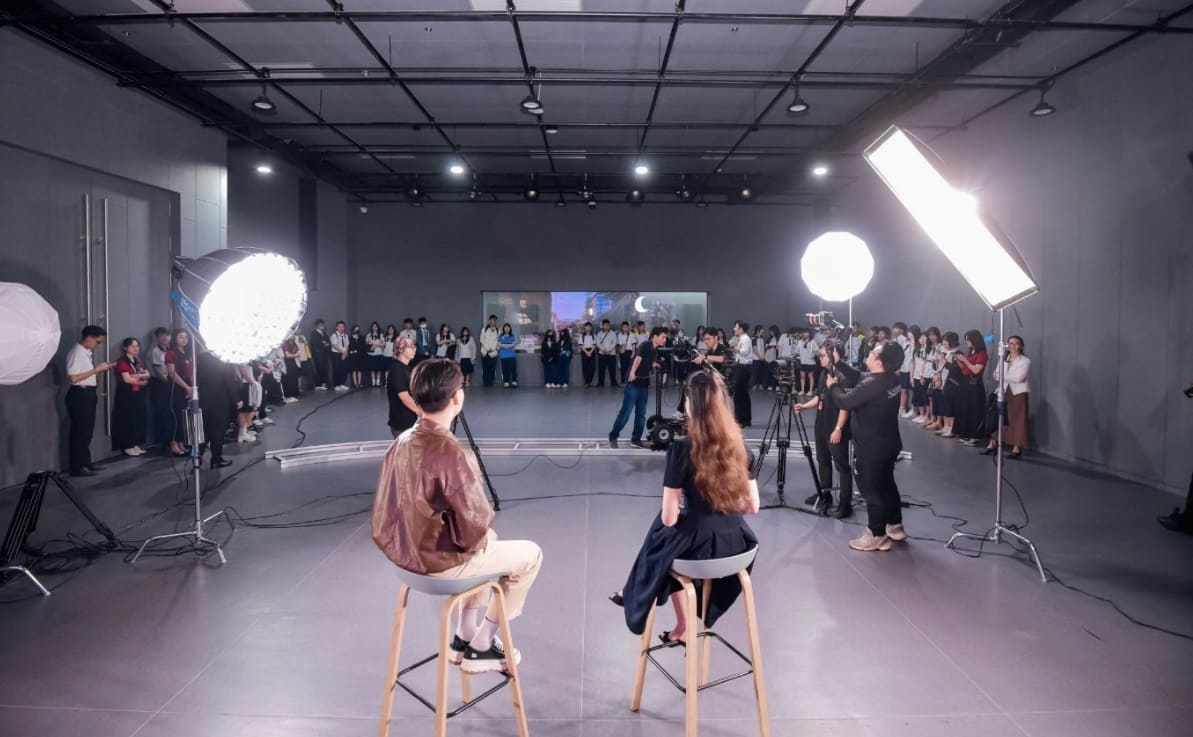
At VLU, podcasts are not independent but part of the "convergence studio" training model – where students produce formats in parallel: text, images, videos and audio.
This method trains the ability to flexibly transform: from an article idea adapted into a podcast script, then extracted into a short video for social networks. This is also why podcast skills are closely integrated in the Multimedia Communication industry orientation, helping students simultaneously exploit design, filmmaking and soundmaking in the same studio-labor system.
Competitive advantage of versatile communication personnel
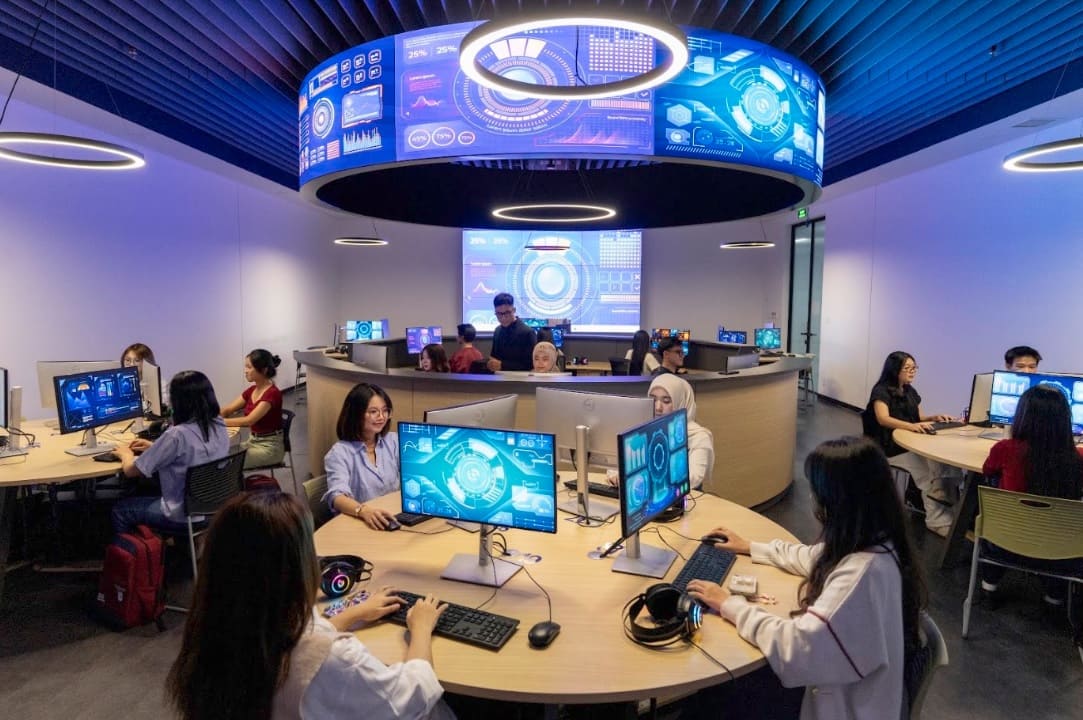
Faced with the diversity of public information receiving channels, the ability to produce multi-sector content is a key competitive advantage. Besides mastering tools, professionals need to have consistent management thinking and brand formation.
Practicing in a real studio helps students shorten the gap with job requirements. It is also the foundation for Communications students at VLU to form multi-platform production capabilities, in which podcasts are part of a digital communication skill system instead of an independent skill.


