
Hand-in-hand" classes
Established on the basis of merging Muong Chieng and Nanh Nghe communes from mid-2025, Duc Nhan commune has an area of more than 10,700ha with 17 villages and hamlets, of which 98.7% of the population are ethnic minorities.
Previously, people had to climb onto the hillside to catch phone signals, and each time they completed administrative procedures, they traveled dozens of kilometers down to the commune center.
Now, smartphones have become a familiar tool to look up information, submit applications online, and pay with QR codes.
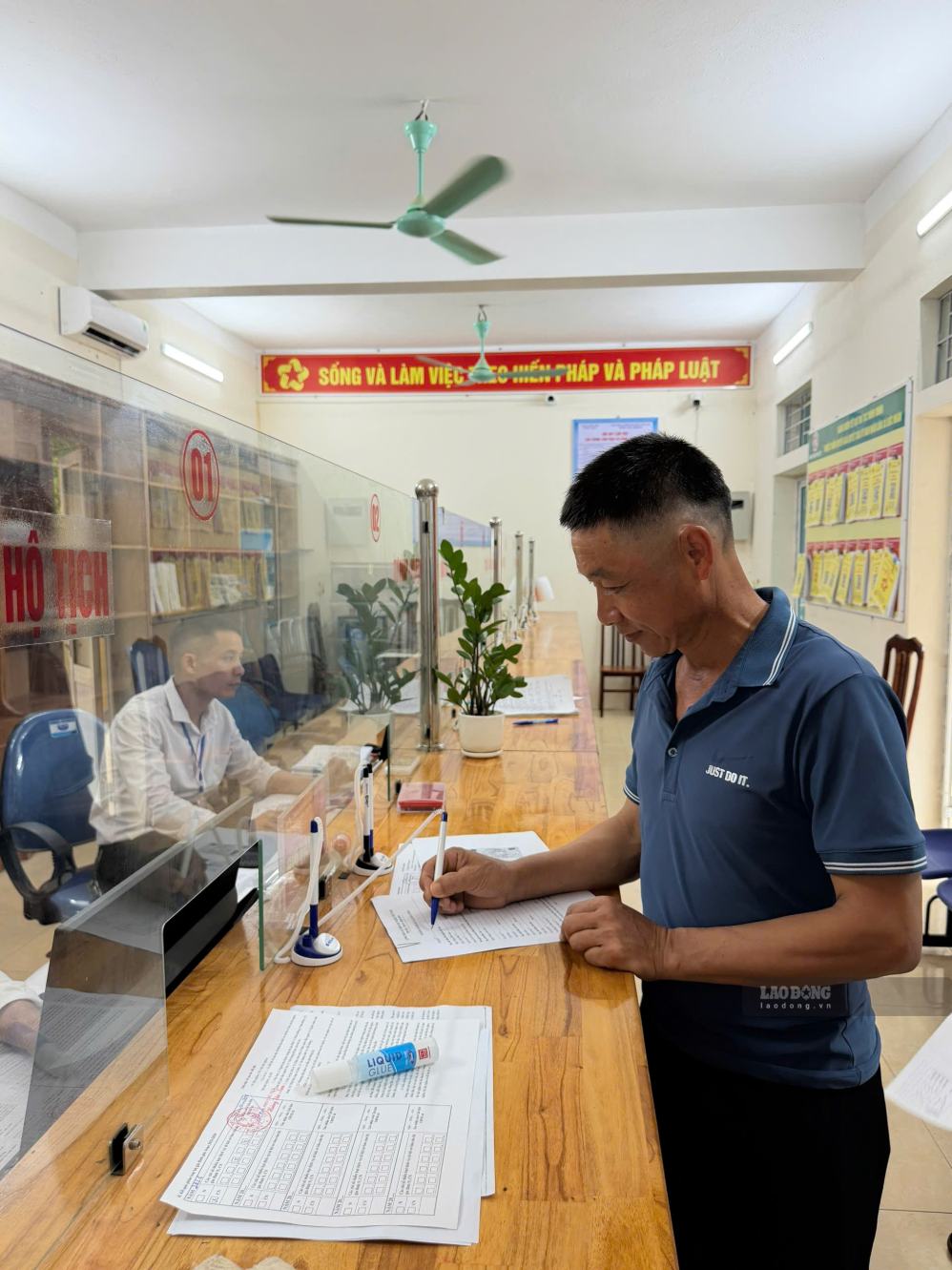
Mr. Dang Van Henh, a Dao person in Dam Lai village, went to the Commune Administrative Center to register for Wi-Fi installation for his family. Although life is still difficult, with income mainly from cassava, corn and rice fields, he is still determined to bring internet home.
We, the Dao people, are attached to the fields all year round. But now we have to learn technology so as not to fall behind, so that our children and grandchildren can study, and we know more about how to do business. The simple procedures I have learned to submit online, today I just went down to the commune to sign a Wi-Fi installation contract," Mr. Henh shared.
That change is the result of the persistent process of "going through every alley, knocking on every door" of the staff, helping people gradually get acquainted with digital technology.
At the Duc Nhan Commune Public Administration Center, piles of paper documents are replaced by computers connected to the internet. After the merger, the workload has increased, but the biggest challenge is still changing people's habits.
Mr. Bui Van Hue, an official of the Duc Nhan Commune Public Administration Center, said that many elderly people are still unfamiliar with smartphones, some people just installed the application and then forget their passwords the next day.
However, when people voluntarily submit dossiers and look up results themselves, all efforts of officials are rewarded.
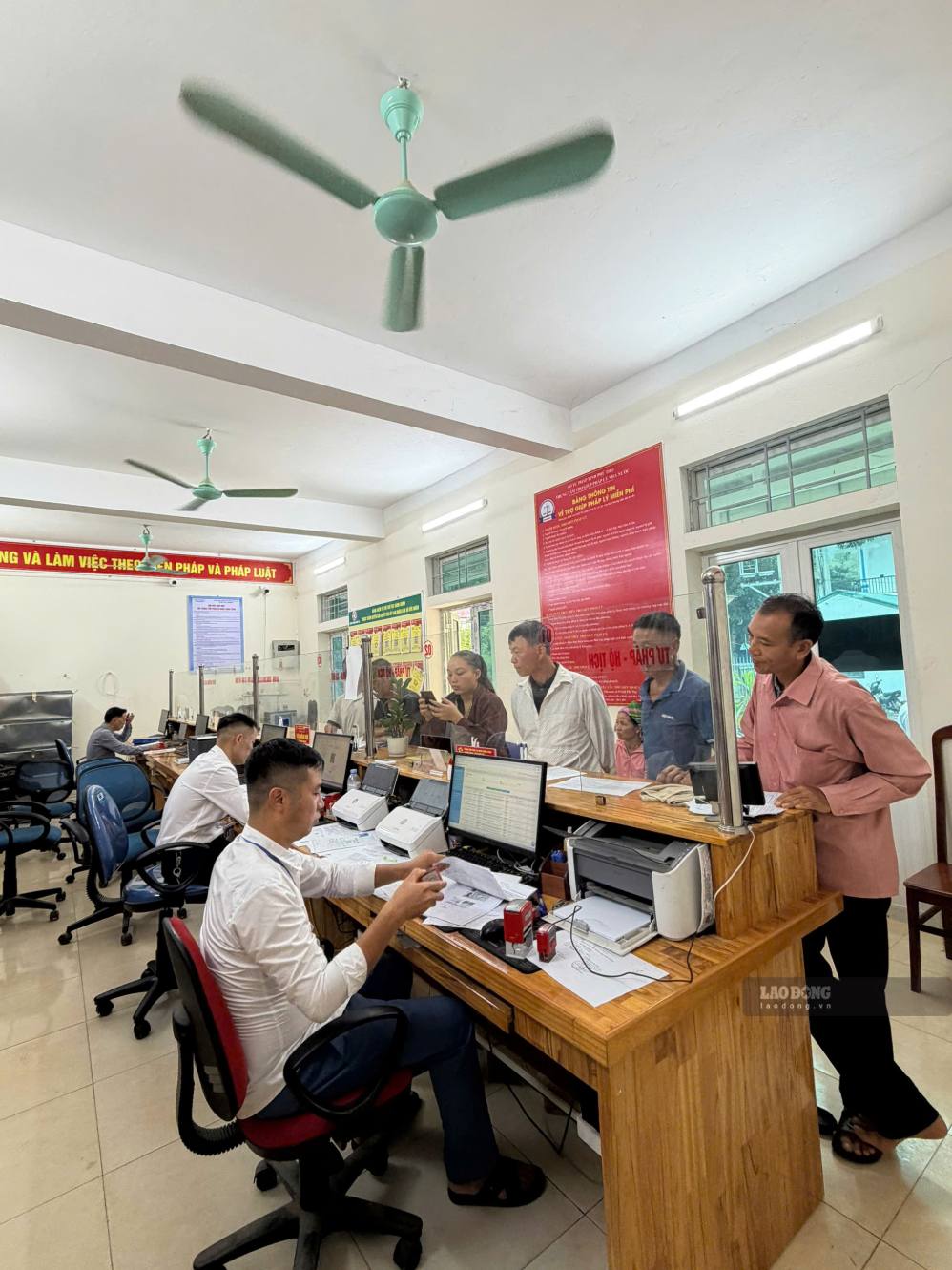
Not only on duty at the center, community digital technology teams also go to each household to guide them on installing electronic identification, opening bank accounts, non-cash payments and using online public services. Duc Nhan also focuses on improving digital capacity for the staff.
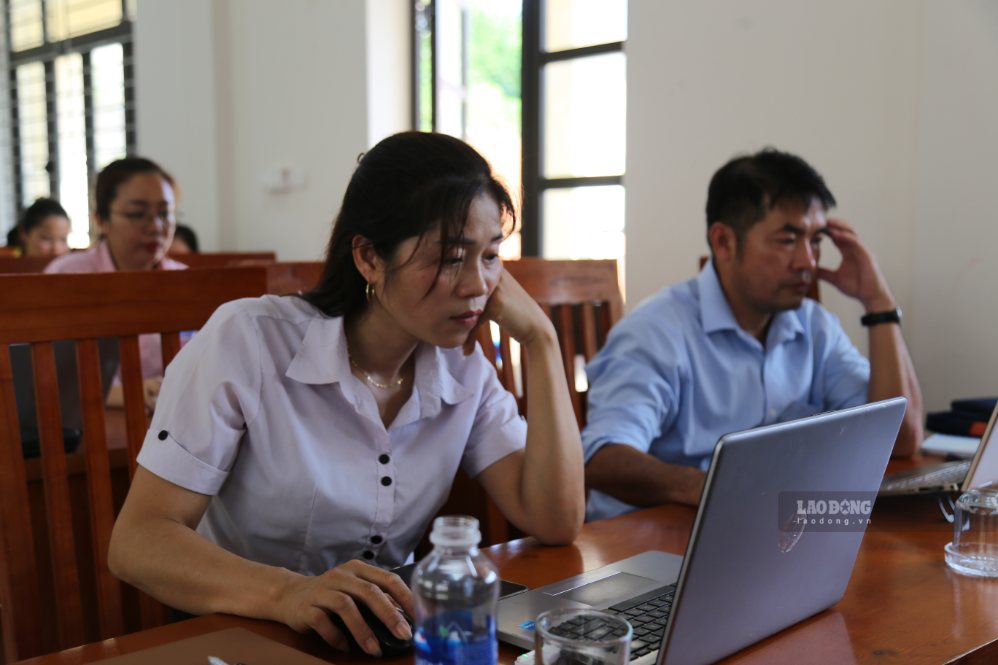
At the end of July 2026, the locality coordinated with Lao Dong Newspaper to organize a training class on artificial intelligence (AI) application for 63 officials, civil servants, and public employees, equipping them with AI application skills in drafting documents, summarizing reports, processing data and supporting administrative reform.
When technology reaches the village
From classes for officials to people's guidance sessions, AI is gradually being applied to management and administrative procedure resolution. At the Commune Public Administration Center, officials have used AI to look up documents, summarize information, and draft reports, shortening work processing time.
Ms. Vu Thi Lan Huong, Deputy Director in charge of the Duc Nhan Commune Public Administration Center, said: "If you want people to trust and follow, first of all, officials must be proficient in technology. We always encourage officials to learn and boldly apply AI to improve the quality of service to the people.
In the first six months of 2026, the Center received 1,888 administrative procedure dossiers, of which 1,881 dossiers were submitted online, reaching nearly 100%; the rate of timely and early resolution is nearly 99.8%; dossier digitization reached over 97%; the level of satisfaction of people and businesses reached 100%.
In Duc Nhan, digital transformation is not only present in the figures of administrative reform but also present in daily life. People are used to scanning QR codes when buying and selling, looking up information, and performing administrative procedures right on their phones instead of having to cross mountains down to the commune as before.
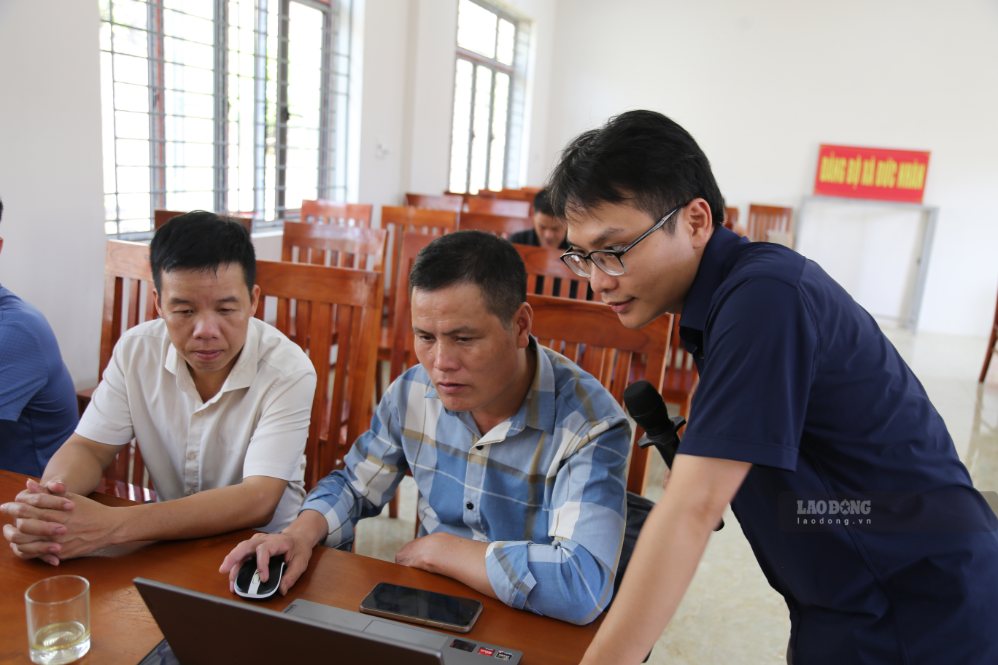
In Duc Nhan, the digital transformation journey may not be as fast as in more favorable regions, but each step forward carries the determination to change.
From new technological operations to how people access digital services, a new rhythm of life is gradually taking shape.
With the involvement of the entire political system and the consensus of the people, Duc Nhan determines to persistently narrow the digital gap, so that technology is no longer a strange thing, but becomes a tool to open more doors for development for this difficult highland region.


