
Gold prices are currently still stuck in a wide sideways zone and under pressure from short-term inflation concerns, thereby increasing expectations that interest rates will remain high. However, an international investment organization still maintains a positive view, saying that gold prices may end the year above the 5,000 USD/ounce mark.
In the latest report on precious metals, Mr. Lorenzo Portelli - Head of Cross-Asset Strategy at Amundi Investment Institute (investment research and analysis department of Amundi, one of the largest asset management corporations in Europe), said that gold still has room to increase in price in the next 12 months.
Looking at the next 12 months, we still maintain a positive outlook for gold and see the possibility that the price could reach 5,500 USD/ounce" - Mr. Portelli stated in the report.
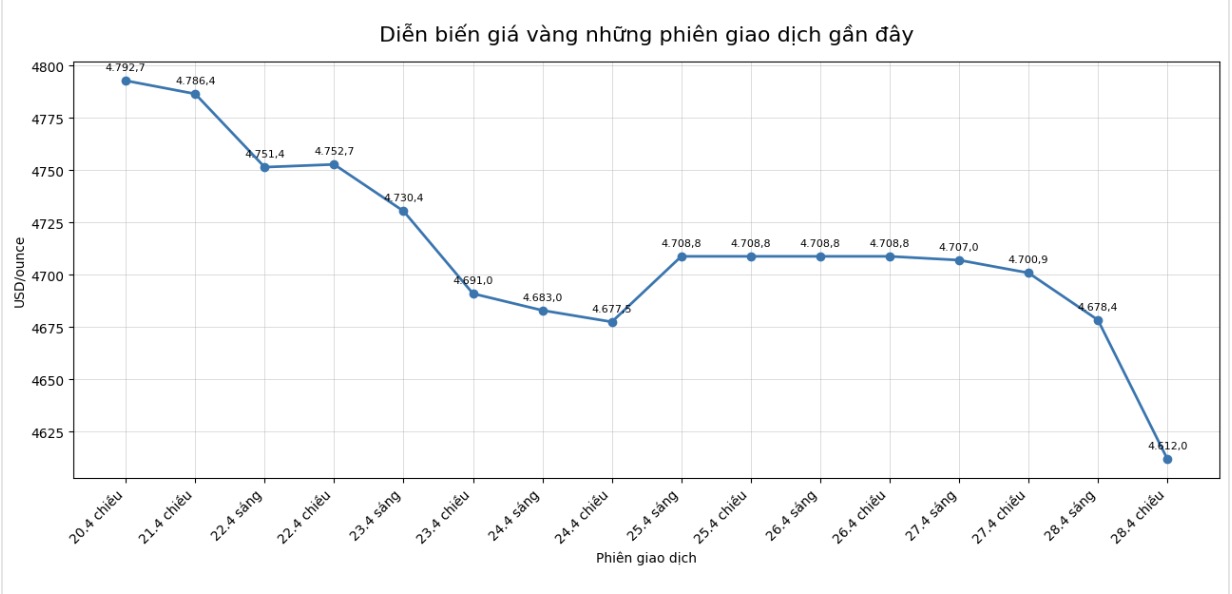
According to Amundi experts, the current energy shock, originating from the ongoing war in Iran, may only have a short-term impact on inflation. The sharp increase in energy prices due to instability in the Middle East has pushed annual inflation to its highest level in 2 years, reaching 3.3%. However, core inflation has only increased moderately, reaching 2.6% in the past 12 months.
Although core inflation is still higher than the US Federal Reserve's target of 2%, this index shows no signs of accelerating.
Core inflation is still relatively moderate and better controlled, thereby reducing demand, forcing central banks to pursue a tougher tightening stance. In our opinion, the inflationary momentum caused by the energy shock is likely only temporary, rather than prolonged," Mr. Portelli said.
Besides the interest rate factor in the US, Mr. Portelli believes that investment demand in gold is also supported by many other drivers. Notably, after falling about 15% compared to the historical peak set in January, much negative information has been partly reflected in gold prices.
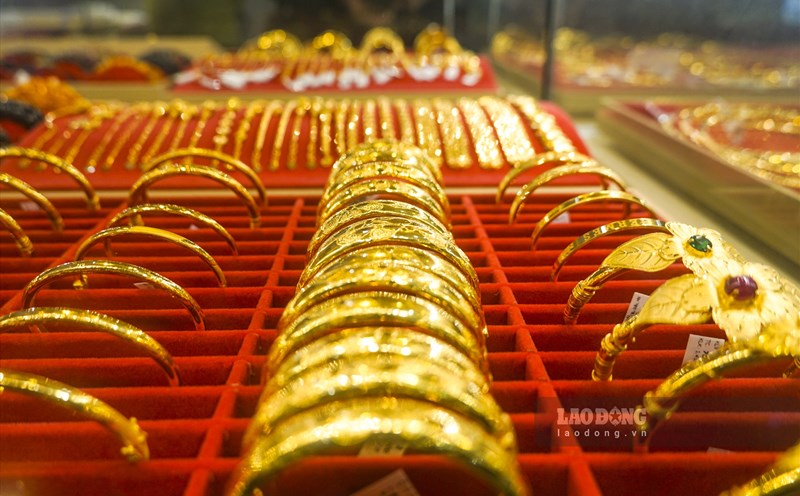
According to this expert, the demand for gold from central banks is likely to remain high, especially in emerging economies. This is a group that continues to diversify foreign exchange reserves, reducing dependence on traditional currencies.
We don't think this trend will reverse soon. Gold remains a strategic asset for reserve managers, as they want to reduce dependence on the USD and increase portfolio resilience," Mr. Portelli said.
Increased public debt and liquidity issues in the private credit market are also expected to boost cash flow to tangible assets such as gold, although the price of this precious metal may still fluctuate in the short term.
Mr. Portelli noted that in the short term, some central banks may use a portion of gold reserves to support the domestic currency in the face of strong market volatility, including risks related to geopolitical tensions in the Middle East. However, this does not mean a structural change in gold holding trends.
In essence, it is a short-term policy management measure in a more uncertain environment. Finally, we still see gold as a valuable safe haven asset. Gold is not a defensive tool against any market shocks, but it is still an effective layer of protection against systemic risks, currency weakening and policy uncertainty," he said.


