
Minutes of the June policy meeting of the US Federal Reserve (Fed) show that policymakers agreed to keep interest rates unchanged, but there are still significant differences in the prospects of governance in the coming time.
At the meeting held on June 16-17, all attending members supported maintaining the current interest rate range. However, the minutes showed that some officials had considered the possibility of raising interest rates if price pressure continued to prolong.
This development makes expectations about the Fed's ability to soon ease monetary policy more cautious. This is also one of the factors limiting the recovery ability of gold prices.
Inflation risk remains high
According to the assessment given at the meeting, inflation in the US is still significantly higher than the Fed's 2% long-term target. Price pressure comes from many factors, including increased energy costs, the impact of tariffs, supply chain disruptions and strong demand related to the wave of artificial intelligence (AI) investment.
Some members believe that price increase pressure has become broader, appearing in many groups of goods and services such as transportation, air tickets, petrochemical products and input materials for agriculture.
In addition, inflation in the service sector, excluding housing, is assessed to remain high and has not decreased significantly.
Most Fed members forecast that inflation may continue to remain high in the short term before gradually decreasing, as the impact of energy prices, tariffs and supply disruptions weakens.
However, the risk balance for the inflation outlook still leans towards increase. This makes it difficult for the Fed to make clear commitments to cut interest rates.
Fed economic experts also raised their inflation forecast for 2026 and 2027 compared to the assessment at the previous meeting. The main reasons are increased energy costs and input factors, along with the impact of AI investment activities on consumer prices.
According to the basic scenario, the rate of price increase may slow down in the second half of the year, especially when retail gasoline prices decrease. However, core inflation is forecast to change little in the remainder of the year.
Inflation is expected to decrease more clearly next year and approach the target of 2% by 2028.
The Middle East continues to be a major variable
The minutes of the meeting also showed that the Fed is particularly concerned about the economic impacts of tensions in the Middle East.
Rising energy prices have pushed overall inflation in many economies up. Production costs and retail energy prices have increased sharply in Europe and many regions of Asia.
Fed experts assess that Middle East instability is putting pressure on global economic activity through higher energy costs, weakened consumer confidence and cautious sentiment from businesses.
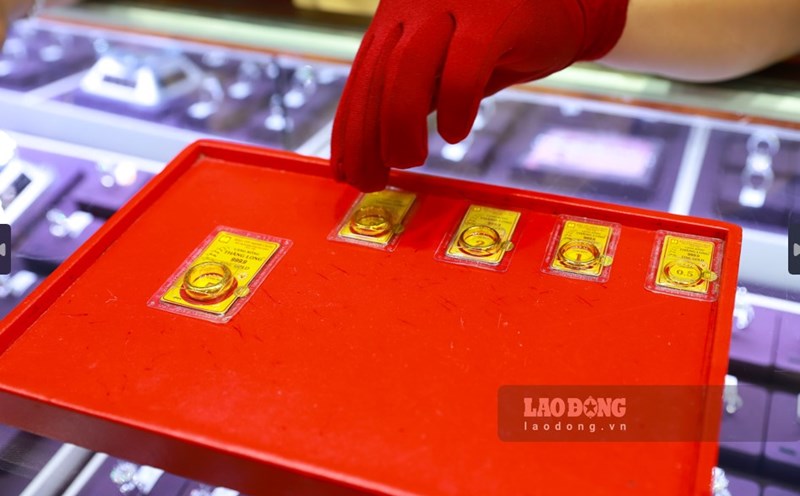
In that context, the financial market faces a paradox. Geopolitical risks often boost demand for gold as a safe haven asset, but rising oil prices increase inflation concerns that could push bond yields and the USD up.
Interest rate policy faces many scenarios
A noteworthy point in the minutes is that the Fed is considering many different scenarios for the US economy.
In the event that inflationary pressure decreases and the price index returns to the trend towards the 2% target, many members believe that maintaining or gradually reducing interest rates may be appropriate.
Conversely, in the event that the labor market continues to stabilize but inflation remains high due to demand related to AI, influenced by Middle East tensions or tariffs, the Fed may have to continue to tighten policy.
The difference is also reflected in the assessment of appropriate interest rates at the end of the year. Many members believe that interest rates should be kept within the current range or slightly lower. Meanwhile, another group believes that appropriate interest rates may have to be higher than the current level.
The US labor market is currently still assessed as relatively balanced. Employment continues to increase while the number of unemployment claims and job losses have not shown major fluctuations.
However, some signs such as slower job search rates and less positive assessment of job opportunities show that the labor market is moving at a low level.
Gold prices did not react too strongly immediately after the minutes were announced, but still maintained pressure status. In the short term, gold price prospects still largely depend on inflation data, labor market developments, energy prices and geopolitical situation.


