The past four months have been a disappointing period for precious metal investors, since the Iran war made expectations of a possible interest rate hike stronger.
However, according to Mr. Craig Hemke - an analyst at Sprott Money (one of the gold, silver and platinum businesses investing in Canada) gold and silver prices may have bottomed out this year and will soon benefit again from the long-term drivers of the price increase cycle.
Mr. Hemke said that 2026 begins with expectations that the US Federal Reserve (Fed) will continue to cut interest rates.
Price inflation continues to cool down compared to the 2022 peak and the market expects the Fed, along with the person chosen to replace Jerome Powell, to begin lowering interest rates in the middle of the year, with the possibility of two federal fund interest rate cuts before the end of the year" - he wrote. "Everything changed when the Iran war broke out, leading to a sharp increase in energy prices.
However, Mr. Hemke's analysis shows that the weakening period of the precious metals market may be coming to an end. According to him, the actual market has reached a "hawkish peak" in the days immediately after the June meeting of the US Federal Open Market Committee (FOMC).
In summary, the view on the'hawk' peak stems from the perception that the expectation that the Fed will raise interest rates many times is unrealistic," he said. "Could an interest rate hike at the end of this year happen? Maybe. Anything can happen and no one knows for sure what the future will be like. Remember the market outlook on February 27, before the war began.
According to Mr. Hemke, the market expecting many interest rate cuts in 2026 is already unlikely to happen.
“After the Iran war began, crude oil prices soared from $65 to $110 a barrel and this naturally boosted inflation expectations,” he said.
However, after most hostilities ended last month, crude oil prices returned to $68 a barrel.
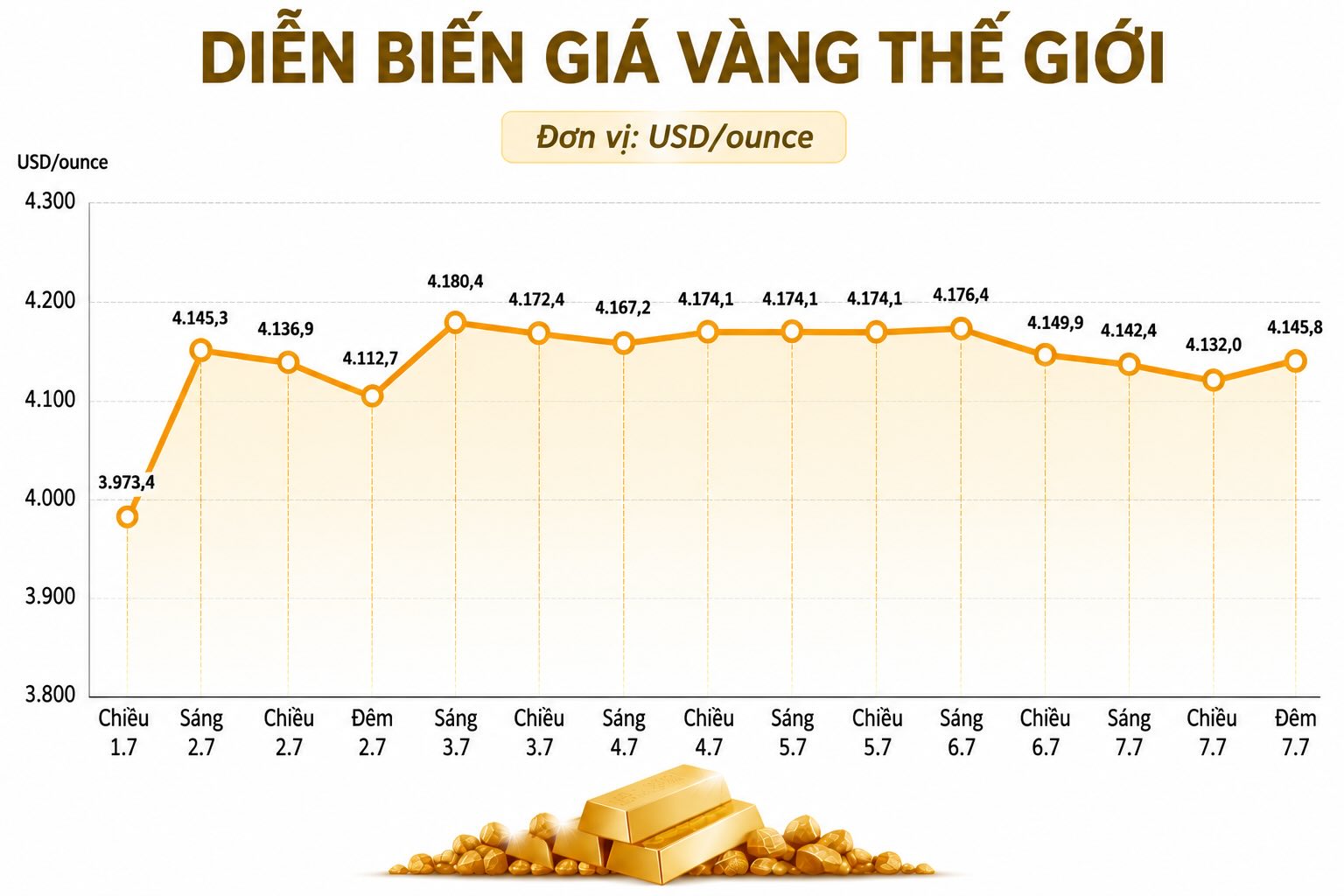
Mr. Hemke pointed out that the energy component in the PCE index - an inflation measure of particular interest to the Fed - increased by 21% from March to May.
But now, when crude oil prices have returned to pre-war levels, why don't we expect this index to fall sharply in the coming months?" - he raised the question.
According to Mr. Hemke, as concerns about inflation subside, the risk of the Fed raising interest rates will also continue to cool down.
Although a symbolic interest rate hike may still occur in the coming months, it is likely that the Fed's policy will soon return to the direction that Mr. Warsh was initially chosen to implement, which is to cut interest rates to reduce net borrowing costs and create negative real interest rates," he said. "If my assessment is correct, the bottom of gold and silver prices at the end of June may also be the bottom of the whole year 2026.
Technical signals have been significantly damaged as prices are still in a downward structure and below all important moving averages," he said. "Just keeping prices sideways for a while can cause downward signals to gradually become ineffective and begin to improve market sentiment. This is a scenario I expect to happen in the near future.
Mr. Hemke believes that investors should monitor the 20-day moving average to find signals about the next trend of precious metal prices.
If and when gold and silver prices return above this initial trend indicator, investors may increasingly believe that the bottom of the year is behind. In summary, with the end of the Iran war and falling energy prices, the second half of 2026 is likely to witness lower-than-expected CPI and PCE inflation.
This will send a signal that the "hawkish peak" has appeared and passed, and gold and silver investors may soon return to focusing on the fundamental factors that once boosted prices in 2024 and 2025" - Mr. Hemke wrote.
The opinions in the article are the analysis views of experts, only for reference, not investment recommendations. Gold and silver markets may fluctuate strongly, investors need to be cautious when making decisions.