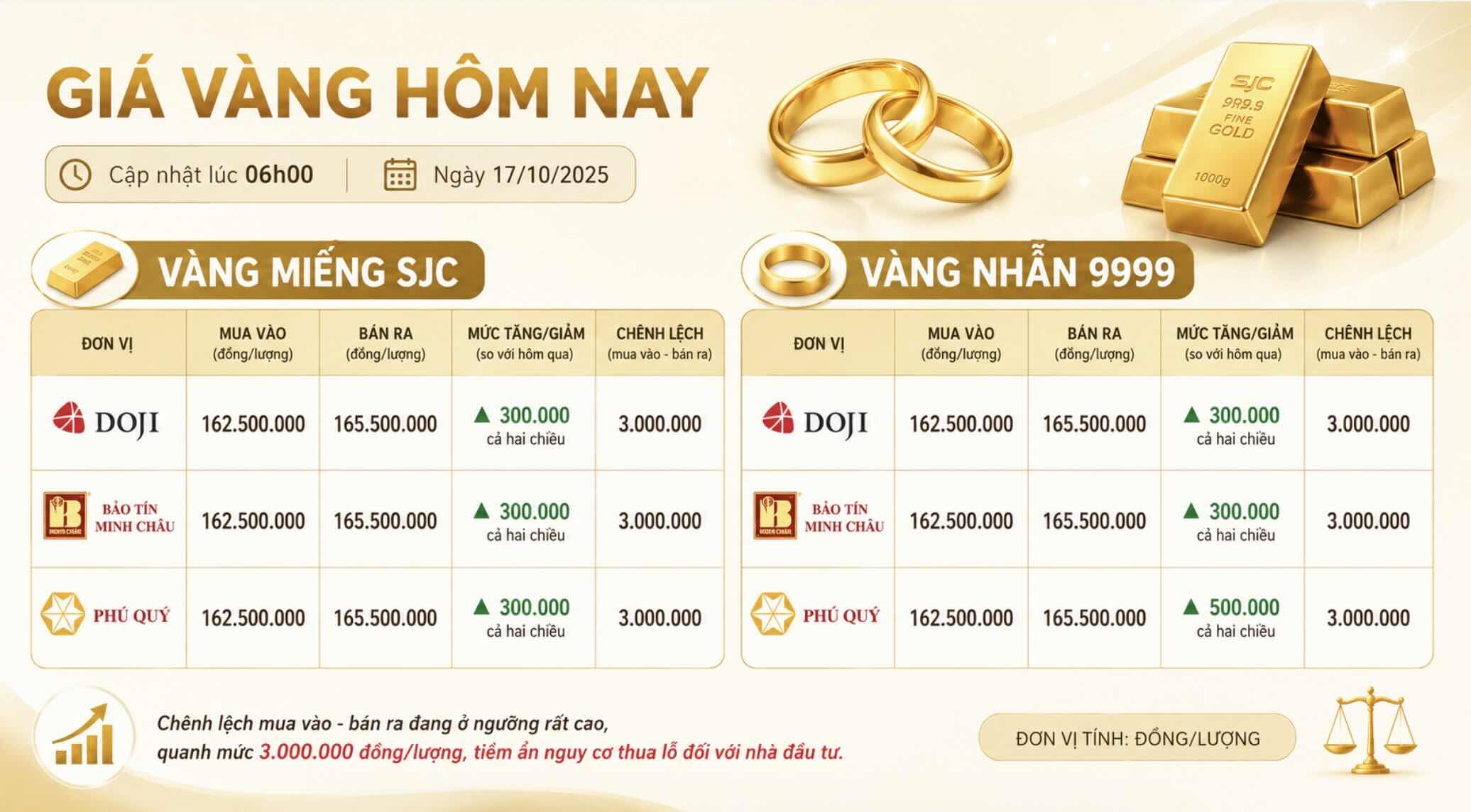
World gold prices are facing many short-term resistances as oil prices rise sharply, inflation remains high, and the US Federal Reserve (Fed) is not in a hurry to ease monetary policy. However, ING experts remain optimistic, forecasting gold could reach the 5,000 USD/ounce mark by the end of this year.
Ms. Ewa Manthey - ING's commodity strategist - said that the decrease of about 12% in gold since the Iranian conflict broke out mainly reflects the macroeconomic impact of the oil price shock, rather than the weakening safe haven role of precious metals.
According to Ms. Manthey, in financial crises or growth slowdowns, gold often benefits when real yields fall and the USD weakens. However, the energy shock caused by supply creates the opposite effect.
Rising oil prices are causing inflation to escalate, forcing central banks to maintain higher interest rates for longer, while supporting a stronger USD. These are all factors putting pressure on gold," Ms. Manthey said.
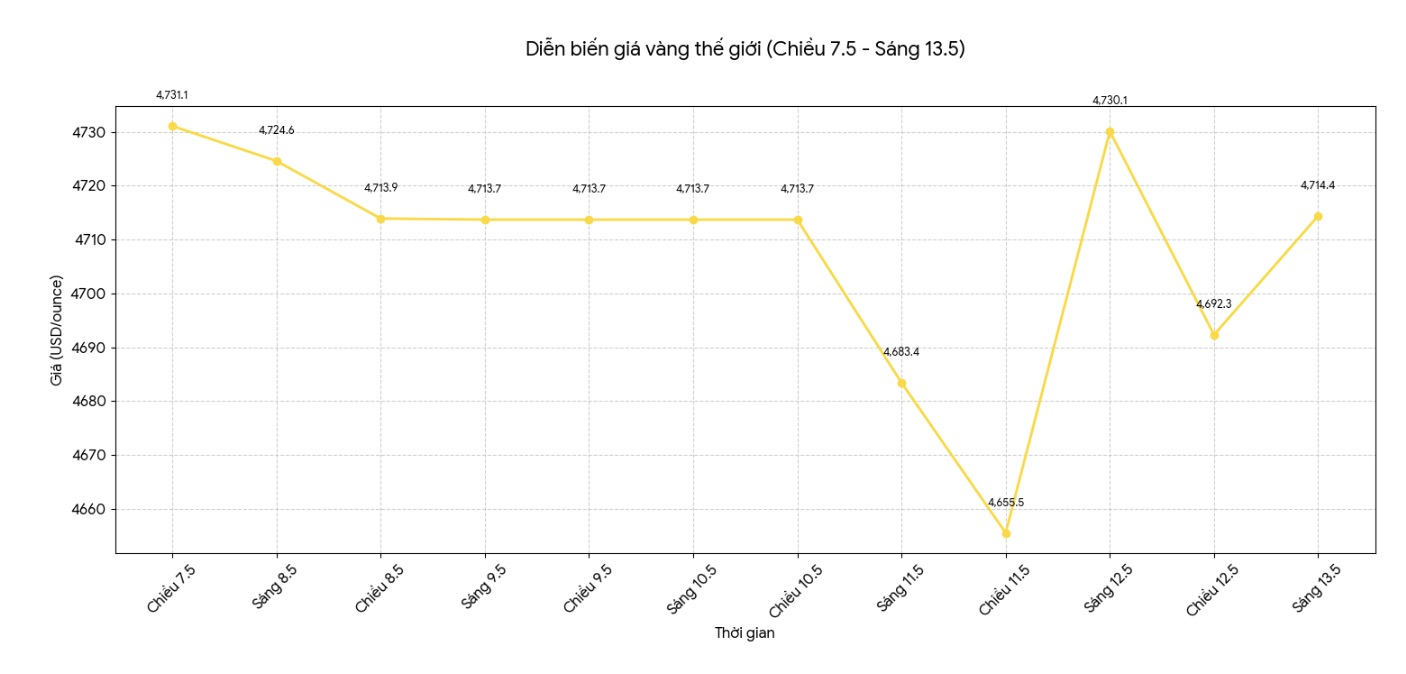
ING experts said that the market witnessed a similar development in 2022 after the Russia-Ukraine conflict broke out. At that time, gold prices initially increased sharply but quickly weakened due to high energy prices pulling up bond yields and the USD.
In addition to geopolitical factors, US economic data is also causing markets to reduce expectations that the Fed will soon cut interest rates. The April jobs report shows that the US labor market remains stable with an unemployment rate of 4.3%, making it unlikely for the Fed to have many reasons to accelerate the interest rate cut cycle.
Ms. Manthey said that inflation rebounds since the outbreak of conflict are weakening the ability to ease monetary policy in the short term. Real yields and the strength of the USD continue to be major barriers to gold.
However, the gold market still received important support from the buying activities of central banks. The Central Bank of China returned to buying gold in April with a volume of 8.1 tons - the highest level since December 2024, raising total reserves to about 2,305 tons.

According to data from the World Gold Council, gold demand from central banks in the first quarter still increased by 17% compared to the previous quarter, despite some sales from Turkey and Russia.
In addition, capital inflows into global gold ETFs also began to recover. In April, gold ETFs recorded about 6.6 billion USD of capital inflows after a strong capital withdrawal period in March. Europe is the leading region in the buying trend, amid investors' concerns about the risk of disruption of energy supply in the Strait of Hormuz.
ING believes that the outlook for gold price increase will largely depend on the cooling of energy prices, reduced inflation and the Fed starting to cut interest rates in the second half of this year.
Factors such as buying power from central banks and recovering ETF capital flows will continue to support gold. When pressures from bond yields and the USD weaken, the foundation for gold price increases will return more clearly" - Ms. Manthey emphasized.