
Although gold prices are currently decreasing, losing the 4,600 USD/ounce mark at many times, the strong increase in the past year has raised one of the most controversial questions in the market: how high can the actual gold price increase?
In the latest precious metals report, commodity analysts from CRU Group (an international organization specializing in commodity analysis, research and consulting) believe that the long-term potential of gold depends less on traditional supply and demand factors, which mainly lie in how investors and policymakers value gold in the global financial system.
According to the organization's analysis, the current 4-year gold price increase is not a "speculative bubble", but a deeper revaluation process, associated with the reliability of monetary policy, global debt levels and structural changes in real interest rates.
Experts say that the increase in gold prices from about 2,000 USD/ounce a year ago to a peak of nearly 5,600 USD in January reflects the revaluation process within the current monetary system, not yet the collapse of the system. However, the report also gives an assumption to illustrate the potential of gold in more extreme scenarios.

CRU said that the US currently holds more than 8,100 tons of gold in official reserves, while the total M2 money supply (i.e., the total amount of money circulating in the economy, including cash and bank deposits) is about 22,000 billion USD. If all of this money is guaranteed by gold, gold prices theoretically could reach about 85,000 USD/ounce.
If only ensuring 20% of the M2 money supply, gold prices could reach about 17,000 USD/ounce. Meanwhile, if linked to the monetary base, gold prices could fluctuate from 8,000 to 20,000 USD/ounce, depending on the level of assurance.
CRU emphasized that this is not a forecast, but only intended to show the large gap between the size of the modern financial system and the amount of gold reserves.
According to analysts, gold's price increase potential is ultimately not limited by mining supply or industrial demand, but depends on the level of instability that the financial system can withstand before investors turn to gold as a safe haven channel.
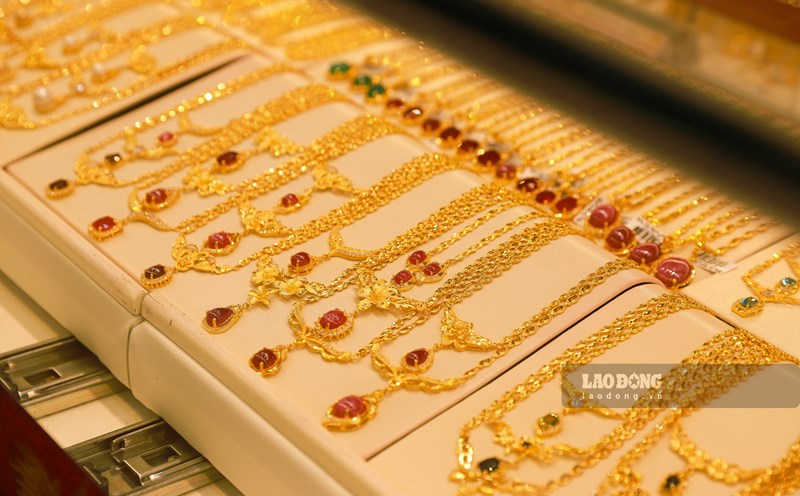
CRU believes that the recent increase reflects a structural adjustment in expectations of real interest rates, fiscal discipline and the reliability of central banks.
Experts note that even if a comprehensive "monetary reconstruction" does not occur, just a small shift in global capital flows can push gold prices up sharply. Specifically, if only 1% of global financial assets switch to gold, the price can rise to about 7,500 USD/ounce; and in case capital flows shift more strongly due to concerns about public debt, gold prices can reach a 5-digit level.
In an interview with Kitco News, Mr. Frank Nikolic - Vice President of North America of CRU Group - said that this report shows the sensitivity of gold prices to changes in confidence and capital allocation.
I think gold has been revalued structurally," Nikolic said, while pointing out that rising global debt and prolonged instability in monetary policy are the main drivers.
He also emphasized that the global debt burden - expected to exceed 100% of GDP - is maintaining a long-term "risk premium" for gold, even if interest rates do not decrease significantly.
In my view, gold... revolves around the decline of confidence," he added, arguing that geopolitical fragmentation and supply chain disruptions are strengthening the role of gold as a currency asset and a place to store value.
Although long-term scenarios show that gold may reach a 5-digit level under extreme conditions, CRU's 2026 outlook is still more cautious.
Mr. Nikolic said that CRU forecasts gold prices will continue to increase in the short term, possibly reaching a peak of about 6,000 USD/ounce next year, then entering a sideways phase.
“We believe that prices will increase next year, possibly reaching a peak... and then gradually stabilizing at just below 6,000 USD/ounce,” he said.
According to him, this stabilization phase will take place at a record high price level, reflecting the long-term change of the gold market.


