
Gold prices in 2026 are showing an unusual development when they do not increase sharply as many people predicted in the context of escalating geopolitical tensions and increasing economic instability.
According to HSBC experts, gold is currently moving more like a risky asset, although in the long term it is still attractive thanks to the global dedollarization trend.
In a newly released report, HSBC Asset Management commodity analysts said that the developments of gold prices since the Iranian conflict broke out have gone against the traditional market view.
Usually, whenever the world faces political upheavals, wars or risks of recession, gold is often considered a safe haven and prices tend to rise.
However, the reality this time is different. Instead of increasing sharply, gold prices have turned down sharply. As of now in March, this precious metal has lost about 15% of its value. According to HSBC, this is a signal that gold no longer simply responds to the old formula of "if instability increases, gold prices increase".
One of the important reasons is the strengthening of the USD, making gold more expensive for buyers outside the US. In addition, the market's adjustment of expectations in the direction that interest rates may remain high longer also increases the opportunity cost of holding gold, because this is an asset that does not yield interest.
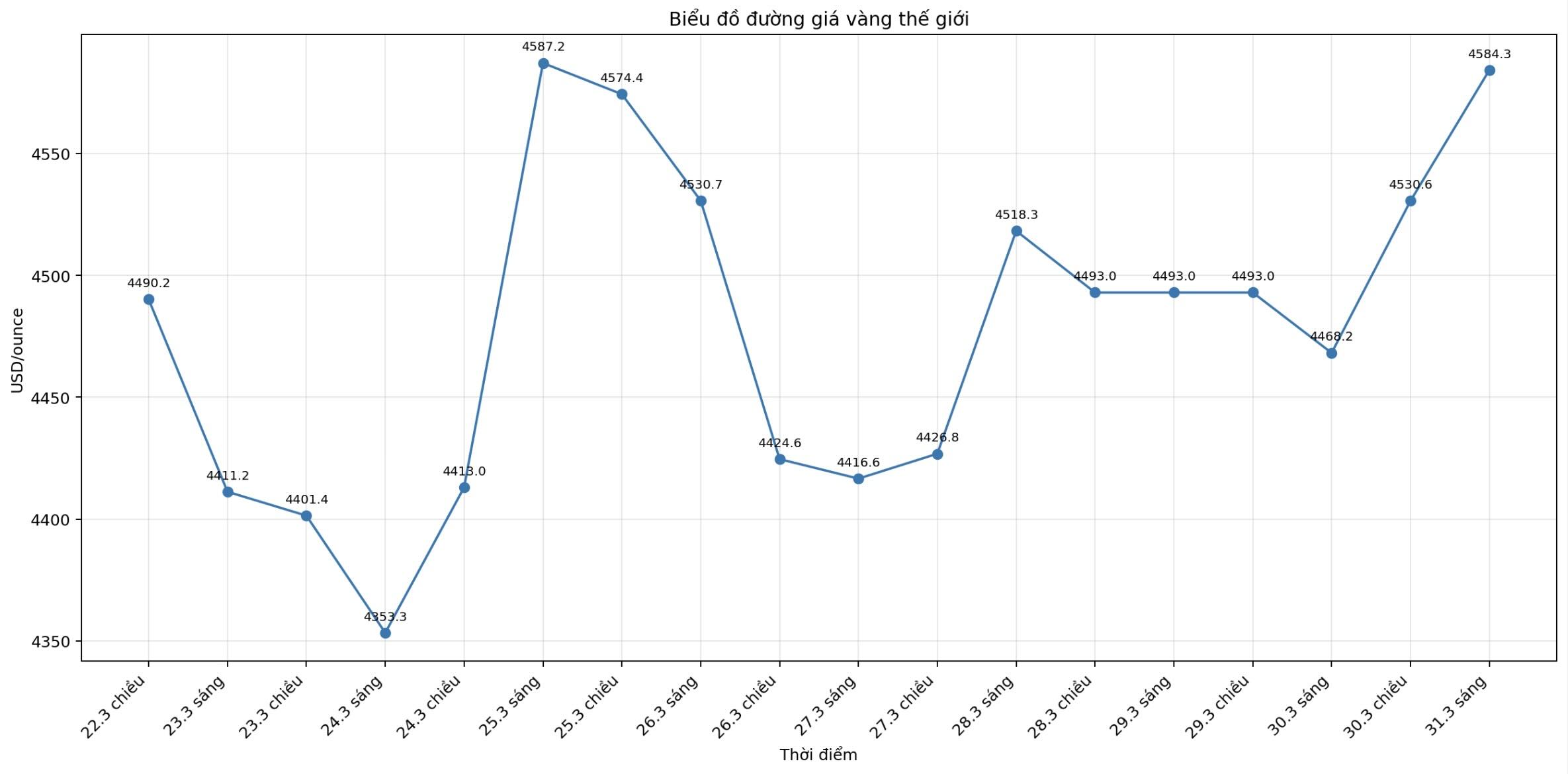
However, HSBC believes that these reasons are not enough to explain the entire current developments. Because in 2022, gold was under similar pressure from the rising USD and rising interest rates but still did not weaken as much as it is now. According to experts, this shows that the nature of the gold market has changed significantly.
HSBC believes that gold is increasingly resembling a risky asset in 2026. The reason is that the structure of gold holders has changed, with a larger proportion belonging to individual investors and groups using financial leverage. In periods of strong market volatility, this group is often forced to sell to cut losses or supplement margins, thereby putting gold prices under stronger downward pressure.
This assessment was also emphasized by Mr. James Steel - Head of Precious Metals Analysis at HSBC - in an exchange with CNBC in mid-February. According to him, the most important keyword for the gold market this year is "fluctuations".
Mr. Steel said that before 2022, gold prices often had a fairly clear reverse relationship with the real interest rate of 10-year US government bonds. In other words, when real interest rates decrease, gold usually increases. But in recent years, this relationship has weakened significantly.
According to him, gold is no longer as sensitive to real interest rates as before, especially 10-year term bond yields. Instead, the market is being more strongly affected by the cash flow of small investors, geopolitical risks and especially buying pressure from central banks.
The reason lies in the dedollarization trend taking place in many economies, as central banks want to reduce their dependence on the USD in foreign exchange reserves.
Mr. Steel believes that the USD is likely to remain the world's leading reserve currency for a long time. However, that does not mean that every central bank will continue to hold as many USD as before. One of the ways to reduce dependence on the greenback is to increase gold buying.


