
Gold prices still have an important position in the investment portfolio, especially in the context of macroeconomic and geopolitical fluctuations. However, according to FTSE Russell, more noteworthy long-term opportunities in the commodity market are gradually appearing in areas associated with artificial intelligence, electrification and the global energy transition process.
Ms. Indrani De - Director of Global Investment Research at FTSE Russell, said that the foundation supporting gold has basically not changed. Precious metals still benefit from the structural demand of central banks, geopolitical instability and the downward trend of dependence on the USD.
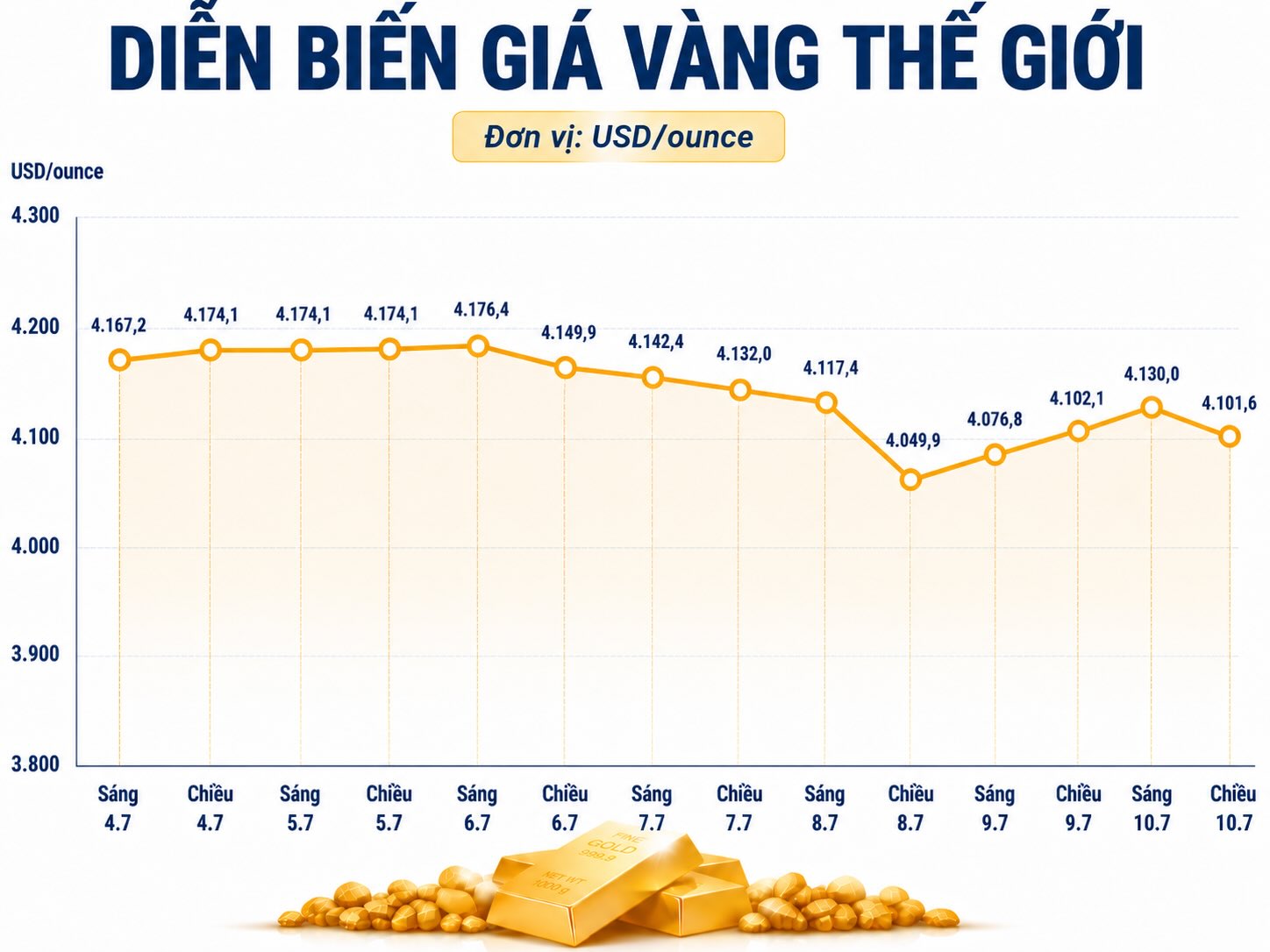
In the opposite direction, gold prices are also under pressure from rising real yields, as monetary policy is still one of the important factors affecting the opportunity cost of holding unprofitable assets.
According to Ms. Indrani De, the gold market is currently under the simultaneous impact of a push and a resistance force. One side is the traditional role of gold in hedging inflation, instability, and buying demand from central banks. The other side is pressure from increased real yields.
This tug-of-war makes gold prospects more balanced in the short term. However, FTSE Russell still assesses gold as an important strategic allocation in the diversification portfolio.

FTSE Russell believes that the commodity market is entering a new phase, driven by two major drivers: the development of artificial intelligence and green transformation.
These two trends lead to a very large demand for investment in electricity infrastructure, data centers, electrical equipment, renewable energy, batteries, electric vehicles and transmission systems.
According to Ms. Indrani De's assessment, copper and silver are metals that are likely to benefit from long-term thrusts related to the electrification process. FTSE Russell did not give specific investment recommendations for each type of commodity, but emphasized that AI and energy transition development trends are creating more interest in infrastructure construction materials.
Another factor that changes the investment story is the energy security issue.
According to FTSE Russell, the volatility in the Middle East and tensions surrounding the Strait of Hormuz show that energy security is increasingly closely linked to economic security.
In the short term, countries can increase the search and use of fossil fuel sources to meet immediate needs. However, in the long term, these risks may create additional momentum for the transition to renewable energy, electrification and increase energy self-sufficiency.
FTSE Russell's research suggests that energy shocks can boost investment in solar power, batteries, electric vehicles, grids and more efficient energy solutions, as governments seek to reduce dependence on imported oil and gas.
According to the research mentioned, investment in clean energy globally is currently about double investment in fossil fuels. At the same time, the cost of solar panels and storage batteries has decreased significantly, significantly improving the economic efficiency of the electrification process.
This trend is also beginning to reflect in the financial market. Ms. Indrani De said that since the beginning of the year, the FTSE Environmental Opportunities Index has surpassed the FTSE All-World Index by nearly 8.5 percentage points.
FTSE Russell also identified energy-related enterprises as one of the highly appreciated investment topics. Metal mining and refining enterprises serving energy conversion may benefit as many countries accelerate investment in new infrastructure.
Besides green transformation, the wave of investment in AI is also creating a large demand for resources.
According to estimates by FTSE Russell, the 5 largest super-scale technology corporations in the US may spend more than $600 billion on AI infrastructure this year, while annual investment is forecast to exceed $900 billion by 2028.
This large capital flow will continue to create demand for semiconductors, electrical equipment, data centers and industrial metals for infrastructure construction.
The opinions in the article are the analysis views of experts, only for reference, not investment recommendations. The gold, silver and industrial metals markets may fluctuate strongly in the face of macroeconomic changes, monetary policy, geopolitics and technological needs; investors need to be cautious and carefully assess risks before making decisions.


