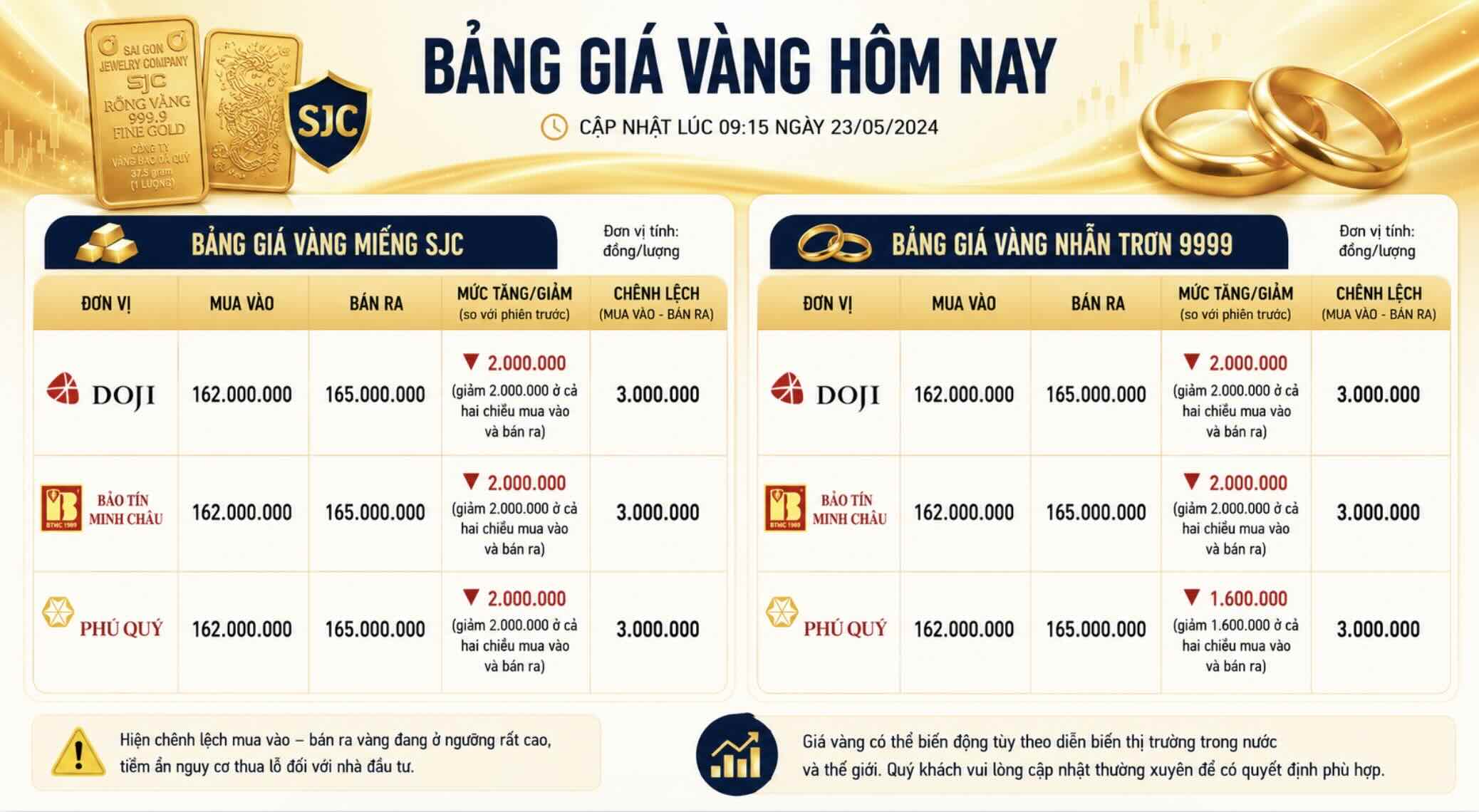
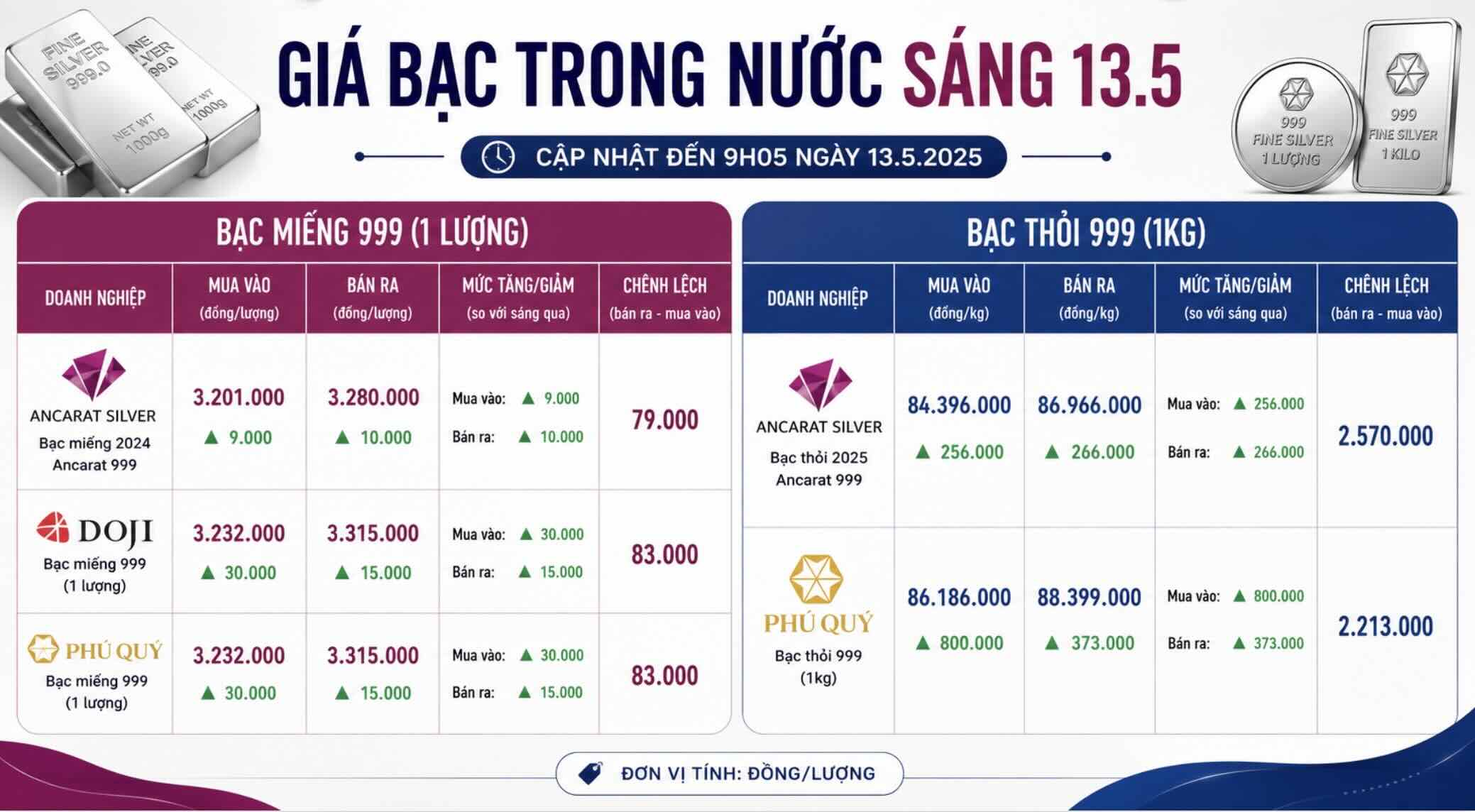
According to Kitco - World gold prices fell in the trading session on May 13, while silver continued to maintain strong growth momentum, showing that cash flow is showing a noticeable shift in the group of precious metals amid the context of US inflation heating up again, prolonged Middle East tensions and expectations of improving US-China relations.
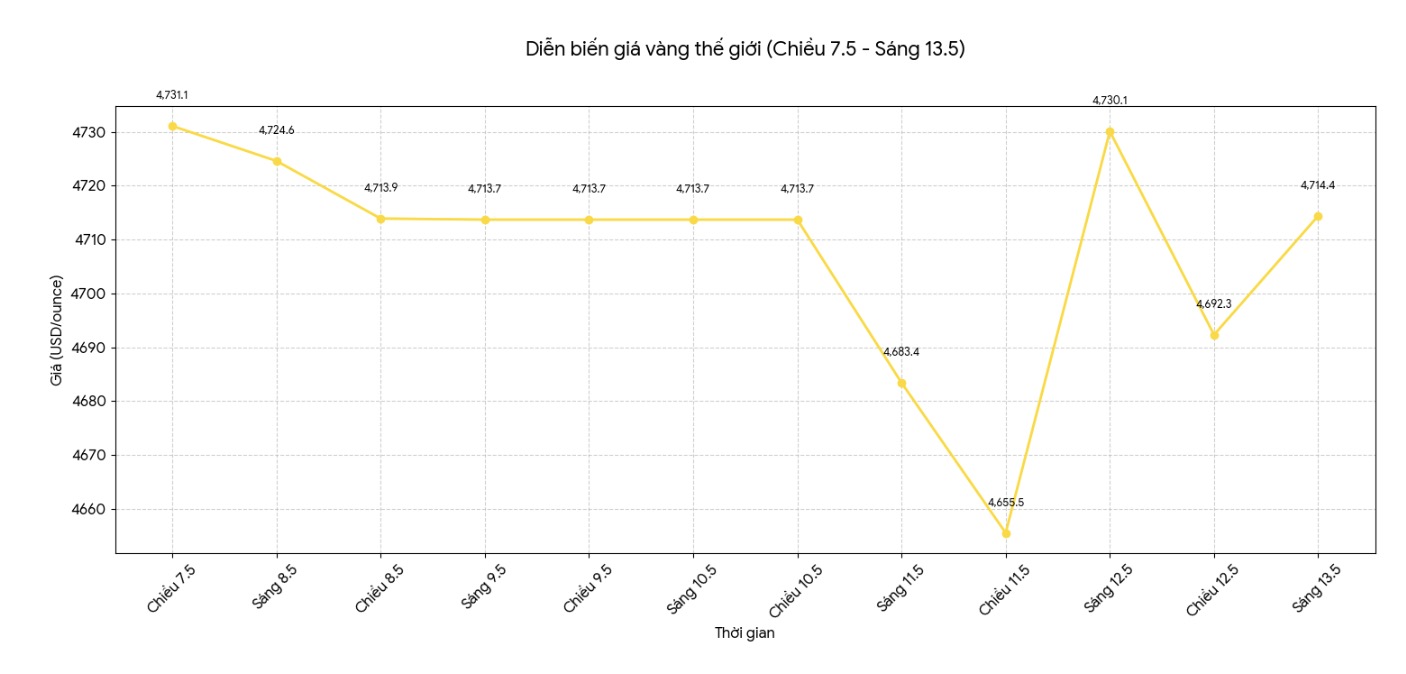
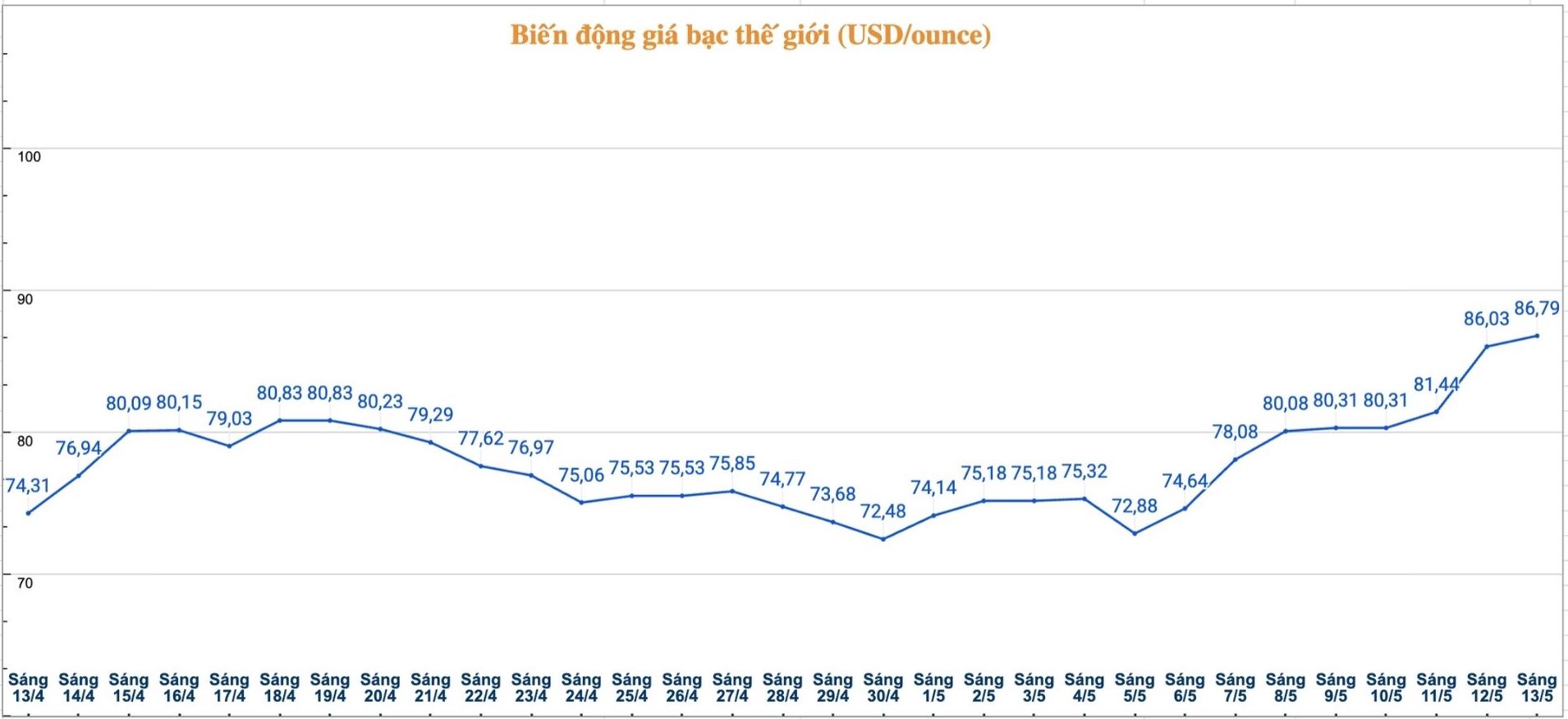
In the international trading session in the early morning of May 13 (Vietnam time), spot gold fluctuated around the threshold of 4,714 USD/ounce, down 0.42%. Meanwhile, spot silver increased by 0.54% to 86.44 USD/ounce, after once jumping to nearly 87 USD/ounce - the highest level in about 9 weeks.
The biggest driver putting pressure on gold comes from the US consumer price index (CPI) report in April, which was higher than expected. CPI increased by 0.6% compared to the previous month, after an increase of 0.9% in March; inflation for the year increased to 3.8%. Core inflation also increased by 0.4% monthly and 2.8% annually.
This development makes the market continue to believe that the US Federal Reserve (Fed) will maintain high interest rates for a longer time. The strengthening USD along with the 10-year US bond yield hovering around 4.5% has reduced the attractiveness of gold - a non-performing asset.
Ole Hansen - Commodity Strategy Director at Saxo Bank - said that bond yields and the rising USD are the main reasons hindering gold's recovery in the short term.
However, gold prices have not fallen deeply because safe-haven demand still exists as negotiations between the US and Iran continue to be deadlocked. Concerns about disrupted energy supply have pushed WTI oil prices above 102 USD/barrel, leading to an increased risk of global inflation.
While gold is under pressure from interest rates, silver prices benefit from many supporting factors at the same time. In addition to its role as a precious metal, silver is also widely used in the electronics, solar energy, electric vehicles and high technology industries. This makes silver more sensitive to the prospects of global economic and trade growth.
Investors are also closely monitoring high-level contacts between the US and China. The market expects relations between the two largest economies in the world to be more stable, thereby improving industrial production prospects and global supply chains. This is considered a positive supporting factor for silver - a metal with higher industrial value than gold.
Some experts believe that silver is gradually escaping the "shadow" of gold. Simon-Peter Massabni - Business Development Director at XS.com - believes that investors are increasingly considering silver as a strategic asset with higher profitability in a volatile environment.
According to him, silver has a special advantage when it is both sheltering like gold and closely linked to industrial demand. This combination helps silver become an attractive choice in a period when the global economy is facing simultaneous inflation, geopolitical instability and the risk of growth slowdown.
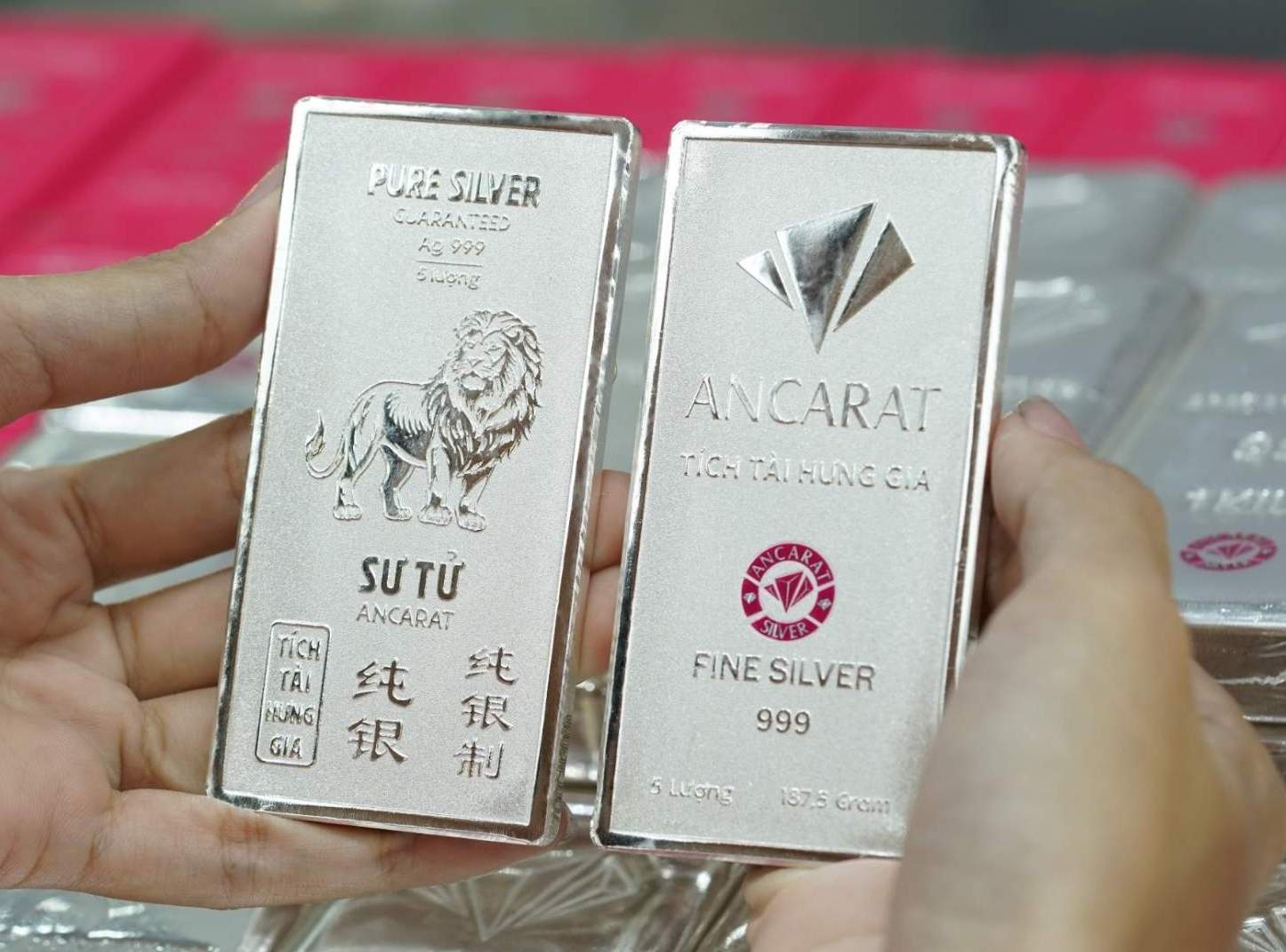
In addition, the silver market is also supported by a prolonged supply shortage. According to a report by The Silver Institute, the global silver market is expected to be short of about 43 million ounces this year, marking the sixth consecutive year that supply has not met demand.
Barbara Lambrecht - commodity expert at Commerzbank - believes that the energy crisis related to the Iranian conflict is negatively affecting basic metal mining activities, while silver is mostly produced as a byproduct from these metal mines. This makes the risk of a shortage of silver supply even more serious.
Technically, analysts assess that gold is being strongly supported in the 4,660-4,680 USD/ounce zone. If this zone is maintained, the price may return to test the 4,757 USD/ounce mark. Meanwhile, silver is expected to be heading towards the 95-96 USD/ounce zone if it continues to successfully surpass the resistance level of 85-86 USD/ounce.