
BCA Research (an independent investment research company based in Canada, specializing in providing analysis and forecasting of macroeconomics, financial markets and asset classes such as stocks, bonds, currency, commodities and gold), has maintained an optimistic outlook on gold since the end of 2022.
Ms. Roukaya Ibrahim - Director of Commodity Strategy at BCA Research - said that gold prices are still facing many risks in the short term due to the impact of speculative positions, real interest rates and geopolitical factors. However, she still expects gold prices to continue to rise until early 2027.
According to Ms. Ibrahim, the rise in gold prices in recent times has taken place in many distinct phases. Initially, there was a strong buying wave from central banks, followed by safe-haven demand in the face of geopolitical instability, and most recently, the boom of speculative cash flow.
The latest phase is very speculative" - Ms. Ibrahim said, while also saying that capital flows from Asian investors, especially through exchange-traded funds (ETFs), have played an important role. However, she also warned that these capital flows could reverse very quickly when prices start to fall, making the market vulnerable.
The increase in speculative activity has made gold in recent months more likely to be a risky asset, with a higher correlation with the stock market. In addition, gold has also re-established its traditional reverse relationship with real interest rates, making monetary policy expectations an important driving force dominating prices.

In inflationary periods due to supply shocks, gold is often under pressure in the early stages when inflation expectations increase, pulling bond yields up, thereby strengthening the trend of monetary policy tightening. However, later, when the price shock turns into a period of slowing growth, gold usually recovers.
Gold usually decreases in the early stages of the supply shock, but after 12 months, prices tend to recover. The key point is that when the shock shifts from the inflation story to the growth story, yields will fall and support gold," she said.
Geopolitical developments, especially disruptions related to the energy market, are still considered a core factor for gold price prospects.
According to Ms. Ibrahim, the developments of oil flows and widespread inflationary pressure will determine whether the market will move to a slower growth state - a scenario that is considered to be beneficial for gold.
If these disruptions subside in the next few months and concerns about inflation cool down, the market will return to the previous context, when the story of supporting gold prices remains unchanged" - she assessed.
Another important pillar for the long-term upward outlook for gold is the buying demand from central banks. Ms. Ibrahim believes that buying power from the official sector helps create a structural support base for gold prices, although this is not a direct factor creating strong increases.
However, she also noted that if a prolonged gold selling trend from central banks appears, instead of just locally occurring in a few countries, the positive outlook for gold may be affected. Some countries such as Turkey have temporarily used gold reserves to meet liquidity demand in the context of instability in the Middle East.
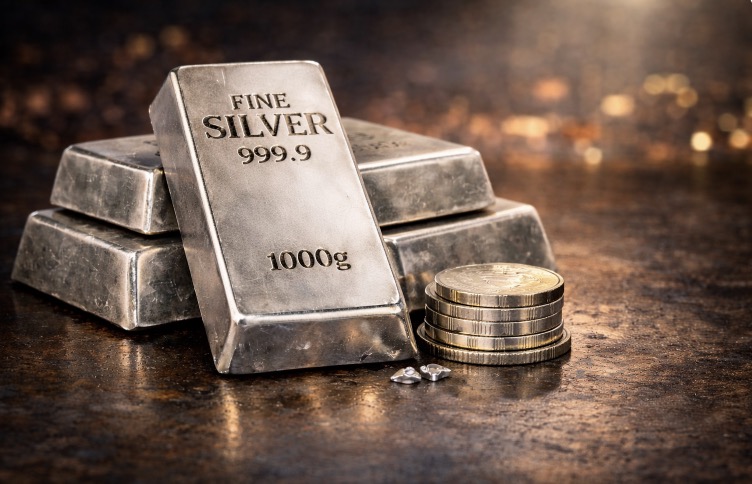
According to her, unlike gold, silver does not have significant demand from central banks and is more dependent on industrial activities, so it is vulnerable when global growth weakens.
Concerns about gold are even clearer than about silver. The recent increase in silver is quite difficult to explain, especially when data on industrial demand does not support that upward momentum," she said.
In the near future, Ms. Ibrahim said gold is still the asset she prioritizes in her 12-month vision. However, she is not ready to determine the time to buy in the short term due to persistent geopolitical instability, along with the risk of stronger fluctuations as inflation expectations change.
In the long term, experts from BCA Research believe that the US Federal Reserve (Fed) is likely to prioritize economic growth rather than controlling inflation if conditions worsen. This could be an important turning point for gold prices.
I think the Fed will prioritize growth over inflation. But before reaching that stage, gold prices may face more pressure. When that time comes, it is very likely that it will be a good buying opportunity" - Ms. Ibrahim said.


