Mối nghi nhiều thế hệ
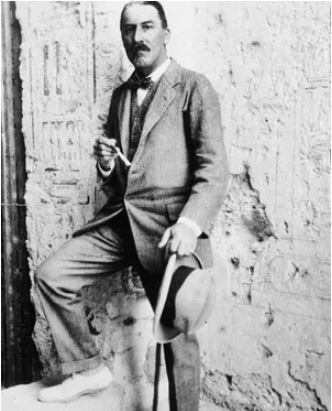
Howard Carter - nhà khảo cổ học phát hiện ra lăng mộ của Tutankhamun (vua Tut) năm 1922 - từ lâu đã bị người Ai Cập nghi ngờ là đã tự mình tìm kho báu trước khi lăng mộ chính thức được mở ra. Dù tin đồn lan truyền qua nhiều thế hệ nhưng trước đó vẫn chưa có bằng chứng về vấn đề này.
Hiện tại, lời cáo buộc nhà khảo cổ người Anh Carter đã xử lý tài sản “chắc chắn bị đánh cắp khỏi lăng mộ” xuất hiện trong một bức thư chưa từng được công bố trước đó do một học giả nổi tiếng người Anh trong nhóm khai quật của Howard Carter gửi cho ông năm 1934, theo The Guardian.
Bức thư gửi cho nhà khảo cổ học phát hiện lăng mộ của vị pharaoh Ai Cập trẻ tuổi Tutankhamun do Alan Gardiner - nhà ngữ văn hàng đầu viết. Nhà khảo cổ học Carter đã nhờ Gardiner dịch những chữ tượng hình được tìm thấy trong lăng mộ 3.300 năm tuổi. Sau đó, nhà khảo cổ học người Anh đưa cho Gardiner một chiếc bùa hộ mệnh kèm cam kết rằng chiếc bùa này không phải lấy từ lăng mộ vua Tut.
Tuy nhiên, Gardiner đưa chiếc bùa hộ mệnh cho Rex Engelbach - giám đốc người Anh lúc bấy giờ của Bảo tàng Ai Cập ở Cairo - và thất vọng khi được biết rằng chiếc bùa thực sự đến từ lăng mộ vua Tut bởi nó khớp với những hiện vật khác, chứng tỏ chúng đều được làm từ một khuôn.
Khi viết thư cho nhà khảo cổ học Carter, Gardiner đính kèm bản nhận định của Engelbach có nội dung là: “Bùa hộ mệnh mà ông đưa cho tôi chắc chắn đã bị đánh cắp khỏi lăng mộ của Tutankhamun".
"Tôi vô cùng hối hận khi đã bị đặt vào tình thế khá khó xử" - Gardiner nói với Carter.
Tuy nhiên, học giả người Anh cũng nói thêm: "Tôi đương nhiên không nói với Engelbach rằng tôi đã lấy được bùa hộ mệnh từ ông".
Các bức thư nói trên đang nằm trong một bộ sưu tập tư nhân và dự kiến xuất bản trong một cuốn sách sắp tới của Nhà xuất bản Đại học Oxford mang tên "Tutankhamun and the Tomb that Changed the World" (tạm dịch: Tutankhamun và lăng mộ đã thay đổi thế giới).
Tác giả cuốn sách - Bob Brier - nhà Ai Cập học hàng đầu tại Đại học Long Island - chia sẻ, những nghi ngờ về việc Carter tự lấy kho báu đã được đồn đại từ lâu: "Nhưng giờ thì không còn là nghi ngờ nữa".
Những cổ vật lưu lạc
Năm 2022 kỷ niệm 100 năm Carter và người ủng hộ tài chính của ông, Lord Carnarvon, phát hiện ra lăng mộ của vị pharaoh Ai Cập trẻ tuổi chứa đầy ngai vàng, xe ngựa và hàng nghìn đồ vật cần thiết cho cuộc sống ở thế giới bên kia. Trong thập kỷ tiếp theo kể từ khi phát hiện lăng mộ, Carter đã giám sát việc di dời và vận chuyển các báu vật khai quật được xuống sông Nile để đưa tới Cairo trưng bày trong Bảo tàng Ai Cập.
Một số nhà Ai Cập học đã bác tuyên bố của Carter rằng kho báu của lăng mộ Tutankhamun đã bị cướp phá từ thời cổ đại. Năm 1947, trên một tạp chí khoa học ở Cairo, Alfred Lucas, một trong những nhân viên của Carter, cho biết, Carter đã bí mật tự phá cửa buồng chôn cất sau đó bịt lại để che dấu vết mở.
“Họ bị nghi ngờ đã đột nhập vào lăng mộ trước khi lăng mộ chính thức được mở để lấy đi các cổ vật, bao gồm cả đồ trang sức, và bán đi khi những người liên quan việc đột nhập qua đời. Có thông tin Carter bằng cách nào đó đã có những đồ vật. Mọi người nghi ngờ ông ấy đã đánh cắp và những bức thư này là bằng chứng" - Brier nhận định.
"Ông ấy chắc chắn không bao giờ thừa nhận điều đó. Chúng ta cũng không có bất kỳ sự phủ nhận chính thức nào nhưng ông đã bị chính phủ Ai Cập đẩy xa khỏi lăng mộ một thời gian. Họ nghĩ rằng ông ấy đã đánh cắp các vật phẩm" - ông nói thêm.
Trong cuốn sách, Bob Brier lưu ý, người Ai Cập đã không thể chứng minh được mối nghi ngờ của họ nhưng họ tin chắc có việc đánh cắp. Ví dụ như tin rằng Carter đã lên kế hoạch đánh cắp một cái đầu bằng gỗ của Tutankhamun.
Theo đó, chính quyền Ai Cập đã vào và kiểm tra lăng mộ số 4 mà Carter và nhóm nghiên cứu dùng để lưu trữ cổ vật và phát hiện ra một cái đầu Tutankhamun khi còn trẻ làm bằng gỗ kích thước như thật. Nó được đóng gói trong một cái thùng Fortnum & Mason nhưng chưa bao giờ được đề cập trong hồ sơ của Carter về những phát hiện. Carter lập luận rằng nó được phát hiện trong đống đổ nát ở lối đi xuống lăng mộ.
"Sau đó, chúng tôi tìm thấy những đồ vật trên thị trường cổ vật Ai Cập có nguồn từ tài sản của ông ấy rõ ràng đã được lấy từ lăng mộ" - Brier lưu ý.
Một số cổ vật này đã được đưa vào các bảo tàng, trong đó có cả Bảo tàng Nghệ thuật Metropolitan ở New York. Bảo tàng này đã thông báo năm 2010 rằng sẽ gửi lại cho Ai Cập 19 cổ vật mua được từ những năm 1920 đến 1940 vì chúng “được cho là chắc chắn từ lăng mộ của Tutankhamun”.