Theo nhận định của trang DW, chưa bao giờ trong lịch sử hậu chiến của Đức, một chính phủ phải giải quyết nhiều vấn đề cùng một lúc như vậy.
Nhậm chức được 7 tháng nay, liên minh gồm đảng Dân chủ Xã hội (SPD), đảng Xanh và đảng Dân chủ Tự do (FDP) bắt đầu với cam kết đưa nước Đức đến một tương lai trung lập về khí hậu. Nhưng sau đó Nga tiến hành chiến dịch quân sự ở Ukraina vào tháng 2, gây hậu quả nghiêm trọng đối với nền kinh tế Đức - đặc biệt là lĩnh vực quốc phòng và năng lượng.
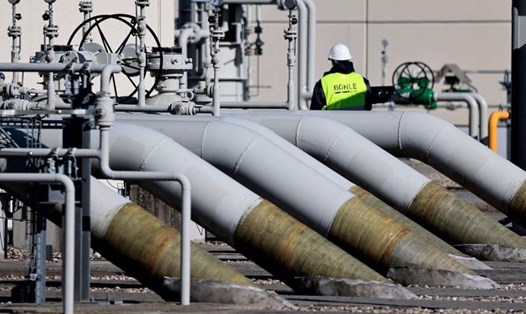
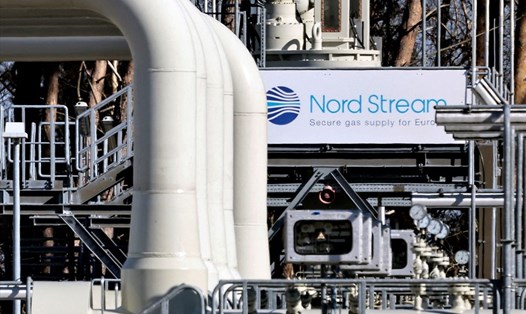
Khi Nga cắt giảm cung cấp khí đốt, nguồn cung năng lượng của Đức đang bị đe dọa và giá cả đang tăng lên. Giờ đây, các nhà máy điện than, vốn đặc biệt có hại cho khí hậu, đang hoạt động trở lại.
Khoảng 1.300 cử tri đủ điều kiện đã tham gia cuộc thăm dò của DeutschlandTrend vào tháng 6. Kết quả cho thấy 52% muốn Đức giữ vững mục tiêu bảo vệ khí hậu bất chấp những vấn đề hiện tại. Trong số này có 83% cử tri thuộc đảng Xanh - những người thường trẻ tuổi, sống ở thành thị và có học vấn cao - muốn gắn bó với các mục tiêu.
43% người được hỏi muốn cắt giảm mục tiêu bảo vệ khí hậu. Trong số này có 69% người ủng hộ đảng cực hữu AfD và 56% người ủng hộ Liên minh đảng Dân chủ Cơ đốc giáo (CDU) và đảng Xã hội Cơ đốc giáo (CSU) - theo truyền thống có thế mạnh ở các vùng nông thôn và nhóm những người cao tuổi.
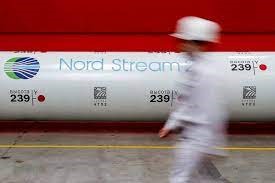
Bất mãn với nhiều chính sách
56% người được hỏi cho biết họ không hài lòng với phản ứng của chính phủ đối về cuộc chiến Nga - Ukraina. 66% không hài lòng với những nỗ lực của chính phủ trong việc đảm bảo nguồn cung cấp năng lượng. 67% chỉ ra sai sót về chính sách tài chính và ngân sách. 76% cho rằng nỗ lực của chính phủ nhằm giảm bớt gánh nặng tăng giá là không đủ.
Lạm phát gia tăng cũng được phản ánh trong triển vọng kinh tế cá nhân của những người được hỏi. Có rất nhiều lo ngại về việc mọi việc sẽ ra sao trong năm tới, mặc dù có những khác biệt lớn giữa các khu vực. 72% người được hỏi ở các bang phía Tây đánh giá tình hình kinh tế của chính họ là tích cực, nhưng chỉ 59% người được hỏi ở các bang thuộc Đông Đức cũ đánh giá như vậy.
Nhưng phần lớn những người được hỏi cho biết họ ủng hộ tiếp tục thực thi các biện pháp đã được áp dụng. 2/3 muốn gia hạn vé tháng 9 euro để sử dụng phương tiện giao thông công cộng sau tháng Tám. 56% số người được hỏi muốn gia hạn giảm thuế nhiên liệu, ngoại trừ những người ủng hộ Đảng Xanh.
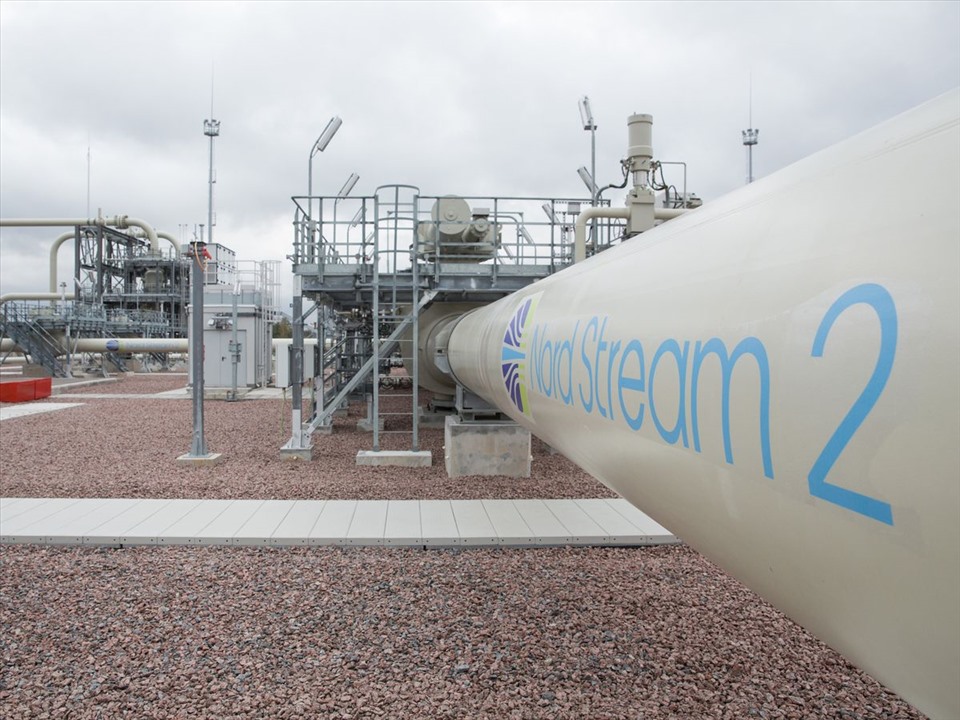
Liệu trừng phạt Nga có kéo dài?
Với mỗi tuần xung đột Nga-Ukraina tiếp tục, hậu quả kinh tế đối với Đức ngày càng rõ ràng. Tuy nhiên, phần lớn dân chúng vẫn ủng hộ các lệnh trừng phạt Nga.
Khoảng 60% cho biết họ ủng hộ các biện pháp trừng phạt Nga ngay cả khi nguồn cung cấp năng lượng là một vấn đề và ngay cả khi các doanh nghiệp địa phương gặp bất lợi. 57% ủng hộ các biện pháp này ngay cả khi giá năng lượng và hàng tạp hóa tiếp tục tăng.
Có sự khác biệt lớn giữa miền Tây nước Đức và miền Đông, nơi đa số vẫn bác bỏ các lệnh trừng phạt đối với Nga.
Tuy nhiên, một lần nữa có sự khác biệt giữa các bên. Đa số những người ủng hộ Đảng Xanh, CDU/CSU, SPD và FDP ủng hộ việc duy trì các lệnh trừng phạt. 80% cử tri AfD phản đối bất kỳ lệnh trừng phạt nào có tác động bất lợi đối với người dân Đức.