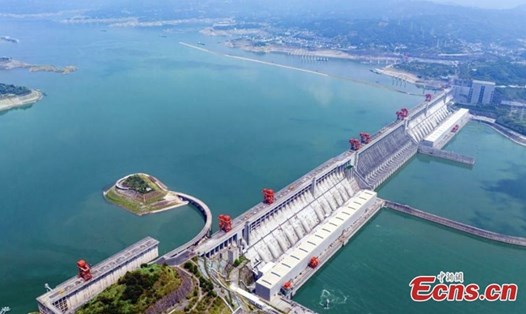
Nếu cần một ví dụ mang tính biểu tượng về khả năng khai thác thiên nhiên để sản xuất năng lượng sạch trên quy mô lớn của con người, thì khó có thể bỏ qua đập Tam Hiệp.
Được xây dựng từ những năm 2000 vào thời điểm Trung Quốc đang ở thời kỳ thịnh vượng nhất, nhà máy điện lớn nhất thế giới này có thể tạo ra 22,5 gigawatt, tương đương với 20 nhà máy điện hạt nhân.
Hai trong số sáu tổ máy phát điện lớn nhất thế giới đang ở thượng nguồn hồ chứa đập Tam Hiệp trên sông Dương Tử. Chỉ riêng hai tổ máy này có thể cung cấp đủ điện để thắp sáng Ba Lan.
Điều đó làm cho những vấn đề đang trải qua ở đập Tam Hiệp trở thành lời cảnh báo cho các nền kinh tế khác ở Châu Á, theo Bloomberg. Sản lượng thủy điện hàng ngày đã giảm 51% trong bối cảnh hạn hán tồi tệ nhất trên sông Dương Tử kể từ đầu những năm 1960, một phần của tình trạng khô hạn trên toàn thế giới cũng khiến sông Rhine ở Châu Âu không cho tàu bè lưu thông.
Điều đó dẫn đến việc các nhà máy phải đóng cửa vì thiếu điện. Lưới điện ở các tỉnh phụ thuộc tới 4/5 sản lượng thuỷ điện của các con đập.
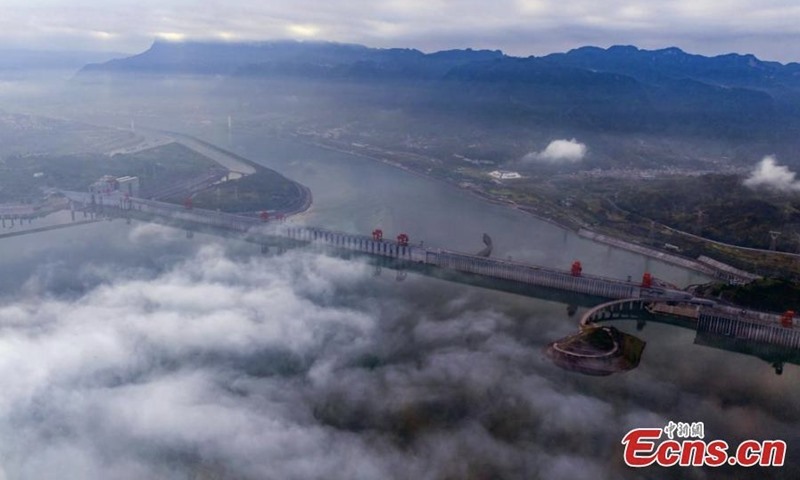
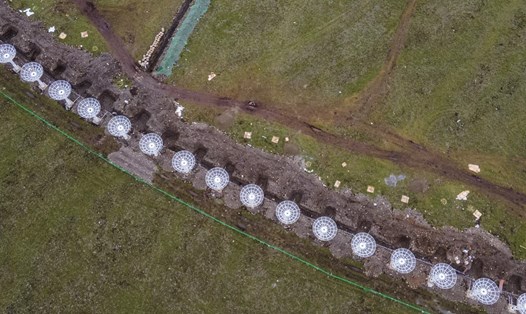
Tiềm năng thuỷ điện của sông Dương Tử và các con sông bắt nguồn từ cao nguyên Tây Tạng là tối quan trọng với tương lai của Châu Á. Gần một nửa nhân loại sống ở các quốc gia phụ thuộc vào các con sông rộng lớn được nuôi dưỡng bởi các sông băng và băng tuyết của cao nguyên Tây Tạng và dãy Himalaya. Người ta đã tranh luận sôi nổi về việc kho nước đông lạnh đó sẽ hoạt động như thế nào khi khí hậu ấm lên - nhưng các hiện tượng năm nay ở Tứ Xuyên, phía tây nam Trung Quốc, cho thấy rằng ngay cả sự thay đổi về điều kiện mưa ở hạ lưu cũng có thể ảnh hưởng đến sản lượng từ các con đập lớn.
Điều đó rất quan trọng, bởi vì những con sông này cung cấp một phần lớn năng lượng sạch dự kiến được khai thác trong thập kỷ tới. Ngoài Trung Quốc, thì Ấn Độ đang có khoảng 29 gigawatt, với 13 gigawatt khác ở các nước láng giềng Pakistan, Nepal và Bhutan.
Năng lượng tái tạo luôn chịu sự thay đổi về sản lượng. Tuy nhiên, các con đập thường được coi là miễn trừ khỏi những tác động xấu nhất. Với các hồ chứa hoạt động như một nguồn năng lượng dự trữ khổng lồ, các con đập có nhiều quyền tự do để xác định sản lượng vào bất kỳ ngày nào. Các nhà máy thủy điện tích năng - sử dụng điện năng của các nhà máy điện phát non tải trong hệ thống điện vào những giờ thấp điểm phụ tải đêm để bơm nước từ bể nước thấp lên bể nước cao - có thể cung cấp một lượng điện tăng vọt chỉ bằng một nút bấm.
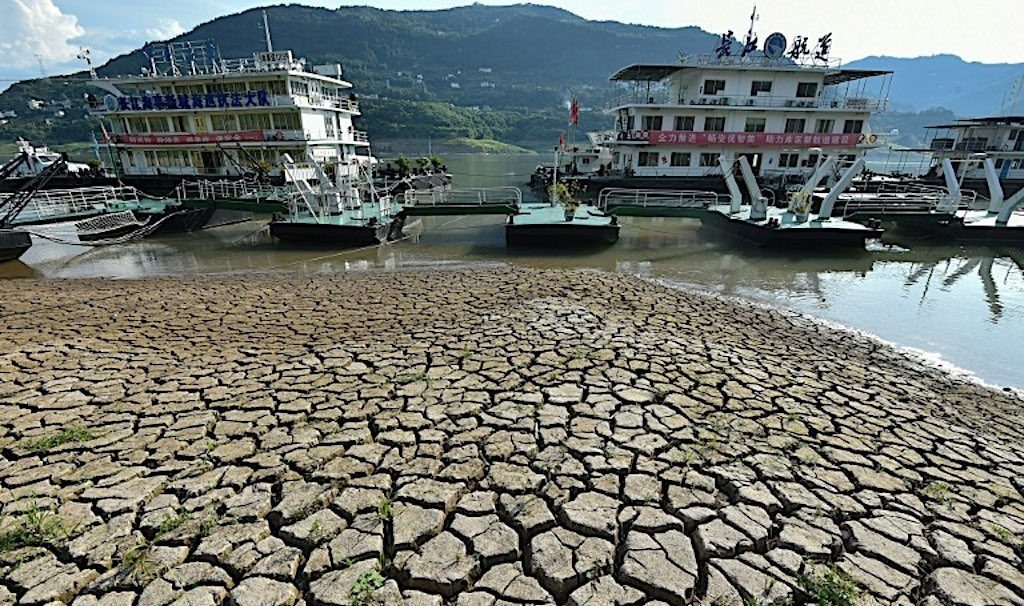
Tuy nhiên, hạn hán nghiêm trọng trên sông Dương Tử đang cho thấy khí hậu có thể xáo trộn logic đó như thế nào. Sự thay đổi lớn của năng lượng mặt trời có thể được đo bằng giờ, được điều chỉnh bởi sự lên xuống của mặt trời và tương đối dễ dàng sửa chữa bằng cách sử dụng pin để dịch chuyển đỉnh điểm sản lượng ban ngày sang nhu cầu lưới điện đầu buổi tối.
Điện gió cũng có bất ổn, những ngày gió lặng sẽ làm suy giảm sản lượng từ các tuabin. Với những ngày này đòi hỏi phải sử dụng điện từ các khu vực khác và tăng cường đốt nhiên liệu hóa thạch để giữ cho lưới điện hoạt động, nhưng không gây mất điện.
Tuy nhiên, với thủy điện thì khác, nó có thể hoạt động kém hiệu quả trong cả mùa. Với quy mô lưới điện của Trung Quốc - đỉnh điểm vào năm 2016, thủy điện chiếm khoảng 18% sản lượng điện - đó là một vấn đề. Cho đến nay, khoảng cách giữa tháng cao nhất và thấp nhất đối với điện gió ở Trung Quốc tương đương khoảng 38% sản lượng trong tháng trung bình, trong khi điện mặt trời và điện hạt nhân đều có con số ổn định hơn ở mức 13%. Trong khi đó, khoảng cách này đối với thủy điện là 58%.
Quy mô dự phòng cần thiết để bù đắp sự thiếu hụt đó là rất lớn. Cho đến nay, Trung Quốc đã khai thác thêm khoảng nửa tỉ tấn than so với cùng thời điểm năm 2019 - tương đương với mức tiêu thụ hàng năm ở Mỹ - nhưng vẫn chưa đủ.
Sự phát triển của năng lượng carbon thấp được hoan nghênh, nhưng không phải lúc nào cũng hiệu quả. Chẳng hạn như ở Pakistan, sản lượng thủy điện dự kiến tăng từ 31% lên một nửa tổng sản lượng vào năm 2030, trong khi điện gió và điện mặt trời sẽ chỉ tăng từ 3% lên 10%.
Điều đó có thể là một sai lầm đắt giá, theo Bloomberg. Nếu không có một tổ hợp đa dạng, các lưới điện sẽ phải dựa vào nguồn điện có thể nhập khẩu từ nước ngoài: nhiên liệu hóa thạch.
Hạn hán trong tương lai được cho là sẽ bóp chết cán cân thanh toán khi hóa đơn nhập khẩu lương thực tăng lên, một hiện tượng đã thấy ở Ai Cập trong năm qua.
Ngoài khủng hoảng năng lượng, một năm khô hạn giống như năm khô hạn đã đeo bám Trung Quốc kể từ năm 2020 có nguy cơ dẫn đến khủng hoảng tiền tệ.
Bloomberg cho hay, thủy điện vẫn là một cách hứa hẹn để các nước mới nổi phát triển điện carbon thấp với giá thấp và quy mô rộng lớn. Tuy nhiên, nó không nên được coi là một giải pháp hoàn chỉnh.
Nếu không có đầy đủ các công nghệ tái tạo, Châu Á mới nổi sẽ không thể có được năng lượng cần thiết để phát triển.