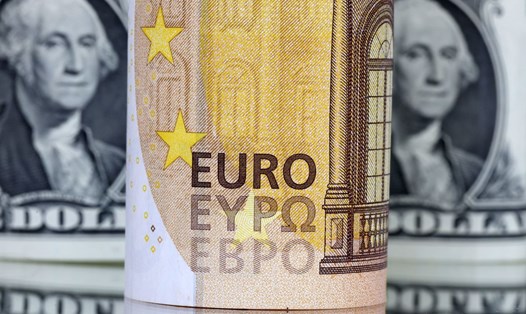
Chỉ số USD - đo lường đồng USD so với đồng euro, yen và các đồng tiền chính khác - đã tăng hơn 14% trong năm nay và vẫn chưa dừng lại sau hơn 1 năm sụt giảm. Theo AP, đồng USD đang ở gần mức cao nhất trong hơn hai thập kỷ so với các đồng tiền mạnh khác.
Đồng USD mạnh là thế nào?
Về cơ bản, 1 USD có thể mua được nhiều loại tiền tệ khác hơn so với trước đây.
Lấy ví dụ đồng yen Nhật. Một năm trước, 1 USD đổi được khoảng 110 yen. Ngày 30.9, tỉ giá là 1 USD đổi được 144 yen, tăng 30% và một trong những mức tăng lớn nhất của USD so với một loại tiền tệ khác.
Tỉ giá liên tục thay đổi khi các ngân hàng, doanh nghiệp và thương nhân mua và bán chúng theo các múi giờ trên khắp thế giới.
Chỉ số USD đã tăng hơn 14% trong năm nay. Lợi nhuận thu được thậm chí còn ấn tượng hơn so với các khoản đầu tư khác, mà hầu hết trong số đó đã trải qua một năm ảm đạm. Chứng khoán Mỹ giảm hơn 19%, bitcoin giảm hơn một nửa và vàng mất hơn 7%.
Tại sao đồng USD mạnh lên?
Bởi vì nền kinh tế Mỹ đang hoạt động tốt hơn những nước khác.
Mặc dù lạm phát cao, thị trường việc làm Mỹ vẫn vững chắc. Các lĩnh vực khác của nền kinh tế, chẳng hạn như lĩnh vực dịch vụ, cũng đã phục hồi.
Các nhà giao dịch kỳ vọng Cục Dự trữ Liên bang (Fed) sẽ thực hiện lời hứa của mình là sẽ tiếp tục tăng lãi suất mạnh và duy trì ở đó một thời gian, với hy vọng có thể hạ gục mức lạm phát tồi tệ nhất trong 40 năm.
Những kỳ vọng như vậy đã giúp lợi suất trái phiếu kho bạc kỳ hạn 10 năm tăng gấp đôi lên 3,44% so với mức 1,33% một năm trước.
Ai quan tâm đến lợi tức trái phiếu?
Những nhà đầu tư muốn kiếm thêm thu nhập từ tiền của họ. Và những đánh giá về lợi suất trái phiếu Mỹ đang thu hút các nhà đầu tư từ khắp nơi trên thế giới.
Các ngân hàng trung ương khác tỏ ra ít quyết liệt hơn Fed vì nền kinh tế của họ dường như mong manh hơn. Ngân hàng Trung ương Châu Âu vừa tăng lãi suất chủ chốt 0,75% - mức tăng lớn nhất từ trước đến nay. Tuy nhiên, Fed đã tăng lãi suất cơ bản hai lần trong năm nay, và dự kiến tăng tiếp lần ba vào tuần tới. Một số nhà giao dịch thậm chí còn nói rằng có thể có một đợt tăng khổng lồ lên tới 1%, sau báo cáo nóng hơn dự kiến về lạm phát của Mỹ.
Trái phiếu 10 năm trên khắp Châu Âu và các khu vực khác trên thế giới có lợi suất thấp hơn nhiều so với trái phiếu của Mỹ: 1,75% ở Đức và 0,25% ở Nhật Bản. Khi các nhà đầu tư từ Châu Á và Châu Âu mua trái phiếu Mỹ, họ phải đổi tiền tệ của mình lấy USD. Điều đó đẩy giá trị của đồng USD lên.
Đồng USD mạnh giúp ích cho khách du lịch Mỹ?
Đúng. Du khách Mỹ ở Tokyo chi 10.000 yen cho bữa tối chỉ cần chi USD ít hơn 23% so với một năm trước cho bữa ăn cùng giá.
Đồng USD tăng mạnh trong năm nay so với mọi đồng tiền khác, từ đồng peso của Argentina tới đồng bảng Ai Cập cho đến đồng won của Hàn Quốc.
USD mạnh chỉ giúp cho người giàu có đủ khả năng đi du lịch nước ngoài?
Không. Đồng USD mạnh hơn cũng giúp người mua hàng ở Mỹ bởi giá hàng nhập khẩu giảm và như vậy và đẩy lạm phát đi xuống.
Giá hàng nhập khẩu ở Mỹ giảm 1% trong tháng 8 so với một tháng trước đó, sau mức giảm 1,5% của tháng 7, giúp phần nào xoa dịu căng thẳng trong bối cảnh lạm phát cao.
Đồng USD mạnh hơn có thể giúp kiểm soát giá hàng hóa nói chung. Đó là bởi vì giá dầu, giá vàng và những mặt hàng khác được mua và bán bằng USD trên khắp thế giới. Khi đồng USD tăng so với đồng yen, một người mua Nhật Bản có thể nhận được ít dầu hơn với cùng số yen như trước đây. Điều đó có thể giúp giảm áp lực tăng giá dầu.
Mỹ được lợi khi đồng USD tăng giá?
Không. Các công ty Mỹ bán hàng ra nước ngoài đang “khóc” vì lợi nhuận sụt giảm. Tại McDonald's, doanh thu đã giảm 3% trong suốt mùa hè so với một năm trước đó. Nhưng nếu giá trị của đồng USD được giữ nguyên so với các loại tiền tệ khác, doanh thu của công ty sẽ cao hơn 3%. Trong khi đó, Microsoft cho biết những thay đổi về tỉ giá đã khiến doanh thu của hãng giảm 595 triệu USD trong quý gần nhất.

Một loạt các công ty khác đã đưa ra những cảnh báo tương tự gần đây và việc đồng USD tăng giá thêm nữa có thể gây thêm áp lực lên lợi nhuận. Theo FactSet, các công ty trong chỉ số S&P 500 nhận được khoảng 40% doanh thu từ bên ngoài Mỹ.
Còn tổn hại nào khác?
Đồng USD mạnh có thể dẫn đến khả năng siết chặt tài chính ở khắp các nước đang phát triển. Nhiều công ty và chính phủ ở các thị trường mới nổi vay tiền bằng USD và phải trả nợ bằng USD trong khi đồng tiền này tăng giá là điều không dễ dàng.
Đồng USD sẽ tăng giá tiếp?
Những động thái lớn nhất của đồng USD có thể vẫn chưa xảy ra, nhưng nhiều chuyên gia kỳ vọng đồng bạc xanh ít nhất sẽ giữ ở mức cao này trong một thời gian.
Báo cáo mới đây về lạm phát của Mỹ đã gây sốc cho thị trường, khiến các nhà giao dịch dự báo Fed còn tăng lãi suất vào năm tới. Các quan chức Fed gần đây nhiều lần tái khẳng định cam kết giữ lãi suất cao “cho đến khi hoàn thành công việc” giảm lạm phát, ngay cả khi điều đó làm tổn hại đến tăng trưởng kinh tế.
Xu hướng tăng lãi suất của Fed sẽ tiếp tục hỗ trợ giá trị của USD.