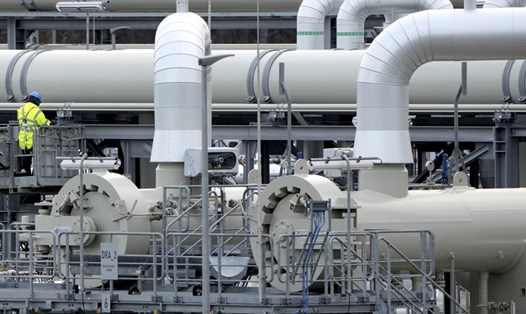
Chính phủ Áo đã ban bố cảnh báo giai đoạn một liên quan đến việc cung cấp khí đốt tự nhiên, ngay sau khi Đức làm điều tương tự hôm 30.3. Theo RT, Vienna đã thực hiện động thái này vì lo sợ tình trạng thiếu hụt khí đốt nếu Nga kiên quyết đòi thanh toán bằng đồng rúp, thay vì USD hoặc euro, do các lệnh trừng phạt của phương Tây.
Cảnh báo giai đoạn một có nghĩa là có “những dấu hiệu cụ thể và đáng tin cậy cho thấy nguồn cung cấp khí đốt có thể xấu đi” - Bộ Khí hậu Áo thông báo, đồng thời cho biết sẽ “theo dõi” tình hình. Báo chí Áo cho hay, dự trữ khí đốt của quốc gia này hiện ở mức 13% công suất - mức trung bình trong cả mùa.
"Mọi việc sẽ được thực hiện để đảm bảo cung cấp khí đốt cho các hộ gia đình và doanh nghiệp của Áo" - Thủ tướng Karl Nehammer tuyên bố hôm 30.3. Nếu có gián đoạn, các doanh nghiệp sẽ được khuyến khích tìm kiếm các giải pháp thay thế. Việc phân bổ khí đốt sẽ không xảy ra cho đến giai đoạn ba, theo thông báo của chính phủ.
Tuyên bố của Áo được đưa ra vài giờ sau khi Đức công bố tình trạng khẩn cấp giai đoạn một tương tự, lo ngại có thể bị gián đoạn nguồn cung khí đốt tự nhiên khi đồng hồ điểm gần đến thời hạn chót của Nga đối với "các quốc gia không thân thiện" bắt đầu thanh toán bằng đồng rúp.
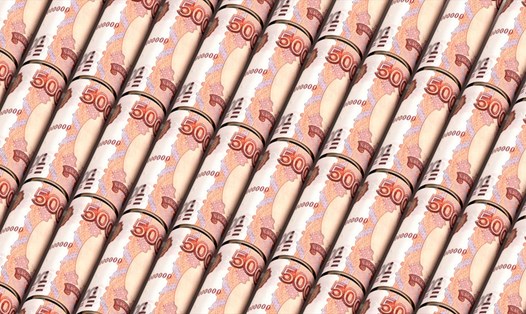
Đức và phần còn lại của EU bị Mátxcơva chỉ định là "các quốc gia không thân thiện" vì đã trừng phạt Nga về cuộc chiến ở Ukraina. Mátxcơva tuyên bố nếu Nga không thể nhận các khoản thanh toán khí đốt bằng đồng euro hoặc USD, thì đó sẽ là đồng rúp hoặc không bán khí đốt.
Khi các nhà lãnh đạo EU nói rằng việc thanh toán bằng đồng rúp sẽ vi phạm hợp đồng, Nga trả lời rằng điều này là do chính các lệnh trừng phạt của họ. Phát ngôn viên Điện Kremlin Dmitry Peskov nói rõ, Nga không có ý định cung cấp miễn phí khí đốt cho Châu Âu.
Các hiệp hội công nghiệp hàng đầu của Đức cảnh báo rằng việc gián đoạn khí đốt có thể dẫn đến “sự sụp đổ nhanh chóng các chuỗi sản xuất công nghiệp ở Châu Âu - với những hậu quả trên toàn thế giới”.
Ngày 30.3, Tổng thống Nga Vladimir Putin và Thủ tướng Đức Olaf Scholz đã thảo luận vấn đề này, với việc Mátxcơva và Berlin thông báo kết quả có phần mâu thuẫn.
Sau cuộc điện đàm, phía Đức cho biết, Tổng thống Putin đồng ý rằng các khoản thanh toán trong thời điểm hiện tại sẽ tiếp tục bằng một trong hai loại tiền tệ phương Tây là đồng USD hoặc euro cho ngân hàng Gazprombank của Nga - ngân hàng không bị EU trừng phạt. Gazprombank sau đó sẽ chuyển đổi các khoản thanh toán thành đồng rúp.
Trong khi đó, Mátxcơva cho biết, Tổng thống Putin giải thích với Thủ tướng Scholz rằng Kremlin đang yêu cầu thanh toán bằng đồng rúp "do dự trữ ngoại hối của Ngân hàng Trung ương Nga đã bị các nước thành viên EU đóng băng và đây là hành động vi phạm luật pháp quốc tế". Tuy nhiên, ông Putin đảm bảo với ông Scholz rằng việc chuyển đổi tiền tệ sẽ không dẫn đến các điều kiện hợp đồng kém thuận lợi hơn cho các nhà nhập khẩu Đức.
Đức dựa vào Nga hơn một nửa nguồn cung cấp khí đốt và một lượng dầu nhập khẩu. Berlin tỏ ra ít nhiệt tình hơn trong việc trừng phạt dầu khí Nga so với một số đối tác EU. Thủ tướng Scholz mô tả năng lượng của Nga là "thiết yếu" cho sự tồn tại của nền kinh tế Đức.
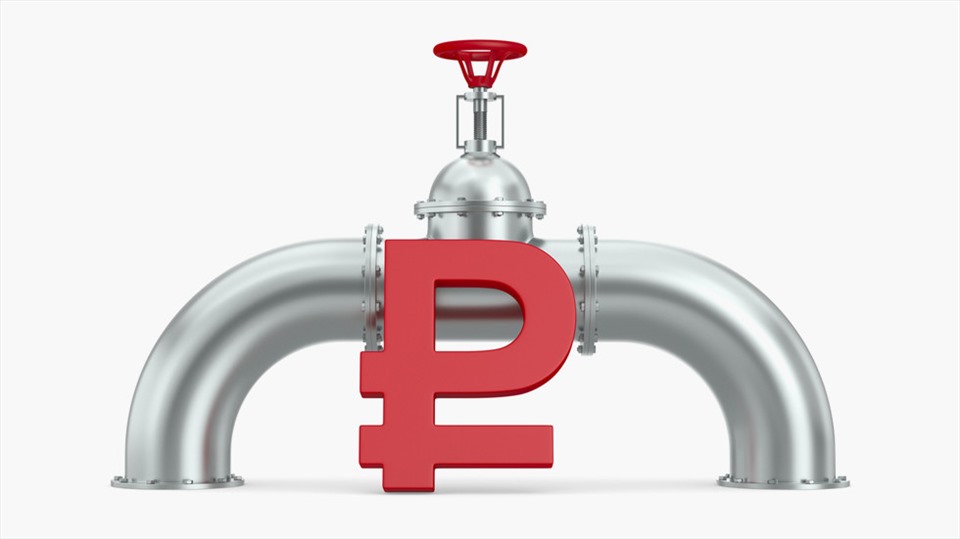
Trong một động thái được cho cho là mạnh mẽ nhất cho thấy Nga có thể đang chuẩn bị một sự đáp trả còn gay gắt hơn đối với các lệnh trừng phạt của phương Tây, Chủ tịch Duma Quốc gia (Hạ viện) Nga, ông Vyacheslav Volodin ngày 30.3 cho biết, gần như toàn bộ năng lượng và các mặt hàng xuất khẩu của Nga có thể được định giá bằng đồng rúp.
Phát ngôn viên Dmitry Peskov nói: “Đây là một ý tưởng chắc chắn nên được thực hiện". Theo ông Peskov, vai trò của đồng USD như một đồng tiền dự trữ toàn cầu đã bị ảnh hưởng và động thái định giá các mặt hàng xuất khẩu lớn nhất của Nga bằng đồng rúp sẽ “vì lợi ích của chúng tôi và lợi ích của các đối tác của chúng tôi”.