
Tại sao khí đốt tự nhiên lại quan trọng trong cuộc khủng hoảng này?
Nhiều quốc gia ở Châu Âu phụ thuộc vào Nga để nhập khẩu khí đốt tự nhiên và ở mức độ thấp hơn là dầu mỏ. Đứng đầu trong số đó là Đức, nền kinh tế lớn nhất Châu Âu, đồng minh chủ chốt của Mỹ và là một bên tham gia quan trọng trong các cuộc đàm phán về Ukraina.
Không quốc gia nào mua nhiều khí đốt tự nhiên từ Nga hơn Đức, quốc gia phụ thuộc vào nhiên liệu giúp sưởi ấm các ngôi nhà vào mùa đông và vận hành các nhà máy.
Thủ tướng Đức Olaf Scholz đã đến thăm Nhà Trắng trong tuần này, nơi các cuộc đàm phán với Tổng thống Joe Biden về đường ống dẫn khí Nord Stream 2 từ Nga sang Đức là tiền đề và trung tâm. Mặc dù vẫn chưa hoạt động, nhưng đường ống từ lâu đã trở thành tâm điểm của một số cuộc tranh luận giữa Mỹ và các đồng minh: Đức ủng hộ đường ống, trong khi ở Mỹ có lo ngại rằng nó có thể làm tăng sự phụ thuộc của Châu Âu vào năng lượng của Nga thậm chí nhiều hơn nữa.
Theo NPR, chính quyền Tổng thống Biden cho biết Mỹ sẽ ngăn chặn Nord Stream 2 nếu Nga tấn công Ukraina.
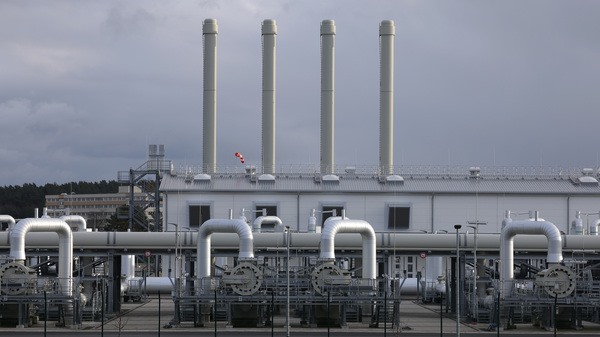
Châu Âu phụ thuộc thế nào vào khí đốt của Nga?
Hơn 38% lượng khí đốt tự nhiên mà các thành viên Liên minh Châu Âu sử dụng vào năm 2020 được nhập khẩu từ Nga, theo Eurostat, cơ quan thống kê của EU.
Tuy nhiên, trên toàn Châu Âu, sự phụ thuộc vào khí đốt của Nga rất khác nhau giữa các quốc gia. Một số hầu như không mua bất kỳ khí đốt nào của Nga như Vương quốc Anh, hoặc sử dụng lượng khí đốt tự nhiên thấp như Thụy Điển.
Nhưng những quốc gia khác - đặc biệt là ở Trung và Đông Âu, bao gồm các quốc gia từng là một phần của khối Liên Xô - lại phụ thuộc gần như 100% vào Nga về nhu cầu khí đốt tự nhiên.
Các nhà lãnh đạo phương Tây, cả ở Châu Âu và Mỹ, từ lâu đã thúc giục Châu Âu giảm bớt sự phụ thuộc vào Nga để hạn chế khả năng bị tổn thương của châu lục này trước các xung đột địa chính trị.
“Việc họ sử dụng khí đốt của Nga đã mang lại cho Tổng thống Vladimir Putin quyền lực rất lớn đối với các nền kinh tế Châu Âu" - H.R. McMaster, cựu cố vấn an ninh quốc gia Mỹ nói với NPR trong một cuộc phỏng vấn tháng trước.
"Theo phong cách điển hình của Nga, họ đã làm theo cách mà họ không thể bị buộc tội vi phạm bất kỳ mối quan hệ thương mại nào, nhưng vẫn cố gắng đưa ra một lời nhắc nhở mạnh mẽ đối với Đức nói riêng và phần còn lại của Châu Âu nói chung rằng họ phụ thuộc thế nào vào khí đốt Nga" - David Goldwyn, chủ tịch công ty tư vấn năng lượng Goldwyn Global Strategy, bình luận.
Trong khi đó, Tổng thống Putin phủ nhận cáo buộc Nga sử dụng khí đốt như một công cụ chính trị, nhưng ông cũng nói rằng nếu các cơ quan quản lý Đức phê duyệt đường ống Nord Stream 2, Nga sẽ "bắt đầu bơm khí đốt vào ngay ngày hôm sau".
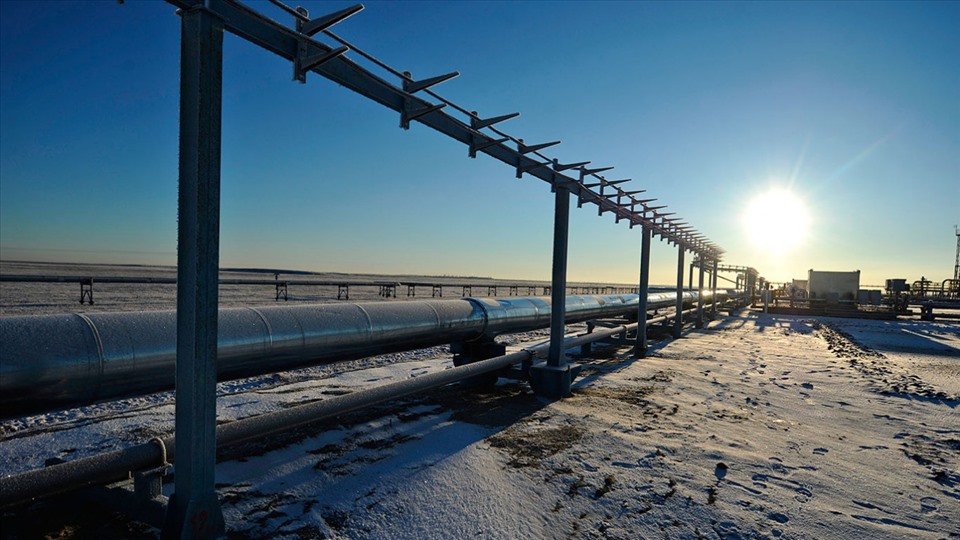
Điều gì sẽ xảy ra với Châu Âu nếu Nga khóa van?
Việc cắt hoàn toàn khí đốt của Nga đến Châu Âu là điều khó có thể xảy ra - nhưng các chuyên gia cảnh báo, nếu điều đó xảy ra sẽ rất đau đớn. Một lựa chọn khác có sẵn cho Nga là cắt xuất khẩu khí đốt qua đường ống ở Ukraina - một động thái sẽ ảnh hưởng đáng kể đến Đức. (Sự phụ thuộc vào các đường ống ở Ukraina là một phần lý do khiến Đức ủng hộ Nord Stream 2).
Với nguồn cung bị ảnh hưởng nghiêm trọng, giá năng lượng vốn đã cao của Châu Âu có thể sẽ tăng vọt.
"Nếu chúng tôi nhận được khối lượng bổ sung từ Na Uy, Azerbaijan, Qatar và Mỹ, thì chúng tôi có thể xây dựng một kịch bản để xử lý tình huống có thể xảy ra về mặt lý thuyết nếu chúng tôi bị gián đoạn hoàn toàn các dòng khí đốt từ Nga" -Cao ủy Châu Âu về Năng lượng Kadri Simson, phát biểu trong một cuộc họp báo hôm 8.2.
Một giải pháp ngắn hạn là nhập khẩu khí đốt tự nhiên hóa lỏng (LNG) từ các nước như Qatar và Mỹ. Mỹ đã tăng đáng kể xuất khẩu LNG sang Châu Âu trong những năm gần đây. Nhưng các chuyên gia nói rằng nguồn cung LNG khó có thể đáp ứng tất cả nhu cầu trong trường hợp khí đốt của Nga bị cắt đứt hoàn toàn.
Trong khi đó, các giải pháp thay thế khí tự nhiên là một thách thức. Chẳng hạn, than không phải là một giải pháp hấp dẫn, do nhiều nước Châu Âu đã nỗ lực giảm lượng khí thải carbon và đối phó với biến đổi khí hậu.
Quan điểm của Nga về vấn đề này như thế nào?
Theo một nghĩa nào đó, các nhà phân tích cho rằng, bây giờ có thể là thời điểm cơ hội để ông Putin cắt giảm các giới hạn: Nga đang có 630 tỉ USD dự trữ vàng và ngoại hối, có nghĩa là nước này có khả năng chịu được cú sốc về doanh thu trong ngắn hạn. Trong khi đó, giá khí đốt và dầu mỏ đang ở mức rất cao. Với giá khí đốt tăng vọt, doanh thu bán khí đốt tự nhiên của Nga đã tăng lên hơn 60 tỉ USD vào năm 2021.
Nhưng cũng giống như Châu Âu phụ thuộc vào Nga về khí đốt, Nga cũng phụ thuộc vào Châu Âu về doanh thu. Châu Âu mua gần 3/4 lượng khí đốt của Nga.
"Nga cần nguồn thu từ dầu và khí đốt tương tự như cách Châu Âu cần nguồn cung cấp năng lượng. 2/3 doanh thu xuất khẩu của Nga đến từ dầu và khí đốt, tương đương khoảng một nửa nguồn thu ngân sách của Nga. Vì vậy, đây là sự phụ thuộc lẫn nhau giữa Nga và Châu Âu" - Daleep Singh, phó cố vấn an ninh quốc gia của Nhà Trắng về kinh tế quốc tế, nói với NPR.


