Ngày 7.2, Tổng thống Mỹ Joe Biden trong cuộc họp báo chung tại Washington với Thủ tướng Đức Olaf Scholz cho biết, Washington đang xem xét cung cấp năng lượng thay thế cho Châu Âu để bù đắp sự thiếu hụt tiềm tàng khí đốt tự nhiên hóa lỏng LNG từ Nga, nếu phương Tây áp đặt trừng phạt Mátxcơva về tình hình Ukraina.
Tổng thống Joe Biden khẳng định, Mỹ có thể bù đắp "một phần đáng kể" năng lượng thiếu hụt.
Tuy nhiên, nhà cựu ngoại giao Canada Patrick Armstrong nói với Sputnik: "Việc hủy bỏ Nord Stream 2 sẽ chỉ khiến Nga mất tiền nhưng thực sự sẽ gây tổn hại cho Đức và LNG của Mỹ không thể bù đắp được sự thiếu hụt".
Ông Armstrong chỉ ra rằng, Đức bị kẹt giữa áp lực căng thẳng của Mỹ trong việc áp đặt các biện pháp trừng phạt kinh tế mới đối với Nga và lợi ích tự nhiên của nước này là có quan hệ tốt với Mátxcơva và nhập khẩu nhiều năng lượng cần thiết.
"Đức nói riêng và Châu Âu nói chung đang bị buộc phải đối mặt với một vấn đề mà họ không muốn đối mặt. Sự phụ thuộc vào Washington sẽ hủy hoại họ. Tối hậu thư của Nga đã đẩy họ đến sự lựa chọn này" - ông Armstrong nói.
Trong 3/4 thế kỷ, Đức đã phục vụ các yêu cầu của Mỹ, và thái độ này đã ăn sâu đến mức các nhà lãnh đạo ở Berlin dường như không thể thách thức được điều đó - ông Armstrong nhận xét.
Ông nói: “Tôi biết lợi ích tốt nhất của họ nằm ở đâu nhưng tôi không biết họ sẽ làm gì - việc tuân theo Mỹ đã trở thành yếu tố ăn sâu trong các cấu trúc của Đức.
Ông Armstrong lưu ý, Đức đã bị đẩy vào tình thế tiến thoái lưỡng nan về năng lượng do các nhà lãnh đạo Mỹ liên tục hiểu sai các nhà lãnh đạo và chính sách của Nga.
Armstrong nói: “Nga sẽ không xâm phạm Ukraina nếu không vì lý do nào khác ngoài việc họ không muốn bị mắc kẹt với dự luật". Tuy nhiên, ông cho biết thêm, Nga sẽ "đập tan" các lực lượng Ukraina nếu họ xâm lược các nước cộng hòa tự xưng Donetsk và Luhansk.
Theo ông Armstrong, phản ứng hạn chế như vậy sẽ đặt ra nhiều câu hỏi phức tạp hơn cho các nhà lãnh đạo của Đức.
Nhà sử học và quân sự nổi tiếng, đại tá Lục quân Mỹ đã nghỉ hưu Doug Macgregor cho rằng, Thủ tướng Đức Olaf Scholz không định làm tổn hại đến mối quan hệ ngoại giao và thương mại nồng ấm giữa Đức và Nga.
Ông Macgregor nói: “Có vẻ như Thủ tướng Scholz sẽ không đặt Nord Stream 2 vào rủi ro vì mối quan hệ kinh tế tích cực lâu dài của Đức với Nga và tác hại của hành động như vậy đối với lợi ích của Berlin trong việc giảm phụ thuộc vào năng lượng hạt nhân”.
Tuy nhiên, Thủ tướng Scholz chỉ vừa mới nhậm chức và có thể lo ngại hơn về việc thách thức chính quyền Mỹ, theo ông Macgregor.
"Thủ tướng Đức Olaf Scholz là người mới trong công việc của mình. Ông ấy có thể coi việc không làm gì trước các sự kiện ở Ukraina khiến mối quan hệ của Berlin với Washington gặp rủi ro" - ông Macgregor nói.
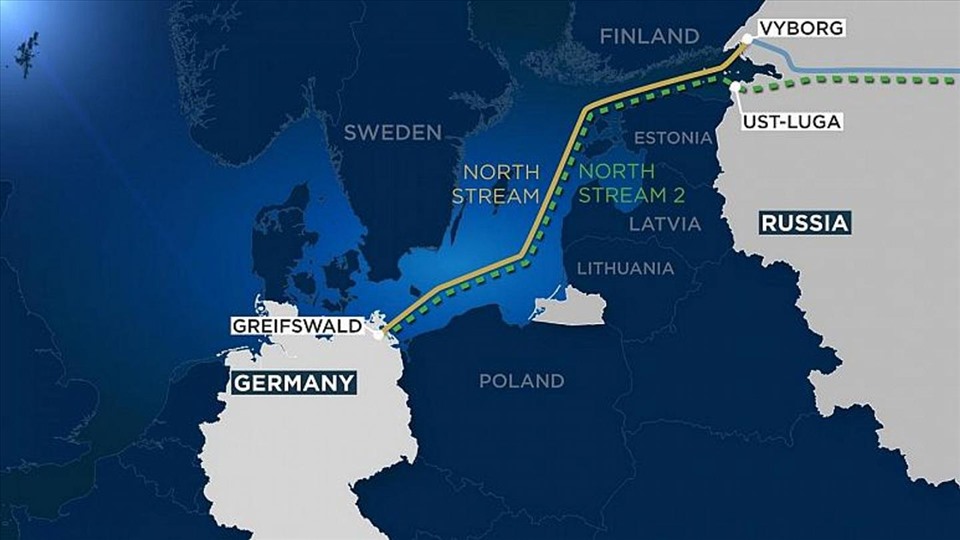
Khi đi vào hoạt động, Nord Stream 2 (Dòng chảy phương Bắc 2) trị giá 11 tỉ USD sẽ đưa khí đốt tự nhiên từ Nga đến Châu Âu. Đường ống này chạy từ Nga trực tiếp đến Đức qua Biển Baltic, song song với Nord Stream 1. Các chuyên gia cho biết, Nord Stream 2 sẽ không làm tăng đáng kể lượng khí đốt tự nhiên xuất khẩu của Nga sang Châu Âu, nhưng nó có thể định tuyến lại - có nghĩa là nhiều khí đốt tự nhiên hơn sẽ chảy trực tiếp đến Đức và có khả năng bỏ qua các đường ống hiện có khác chạy qua các nước Châu Âu khác, trong đó đáng kể nhất là Ukraina.
Mỹ coi đường ống dẫn khí này là một công cụ địa chính trị của Nga để làm suy yếu an ninh năng lượng và an ninh quốc gia của Châu Âu. Ukraina cũng nhìn nhận theo hướng này và muốn đường ống dẫn khí ngừng hoạt động.