
The press tells the story of the destination
Vietnam possesses rich tourism resources, from natural wonders, cultural heritage to landmarks associated with national history. However, in the context of increasingly fierce competition between destinations around the world, resources are only a necessary condition. What determines the attractiveness of a destination lies in how those values are told and spread to the public.
Son Doong is a typical example. From a cave deep in the limestone mountains, Son Doong gradually became a global tourism symbol after appearing on international media channels such as ABC, BBC, National Geographic or CBS. Stories about the world's largest cave have helped bring the image of Vietnam to millions of international audiences.
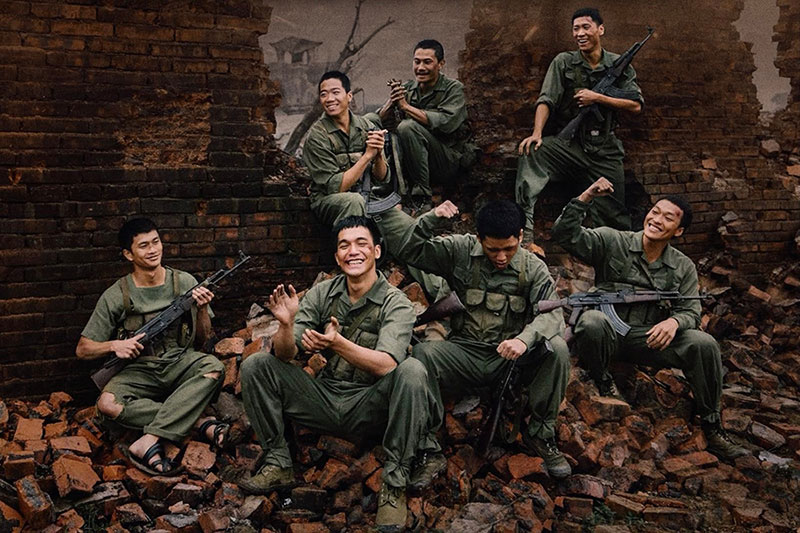
Similarly, Quang Tri Citadel attracted special public attention after the effect of the movie "Red Rain". Not only creating an impression at the box office, the movie also aroused the interest of tourists in the historical land, showing the power of storytelling in awakening the value of a destination.

According to Mr. Le Quoc Vinh - Chairman of the Board of Directors of Le Group of Companies, tourism today is no longer simply about promoting destinations.
Today, we no longer just promote destinations, but must create destinations. The important thing is not what the destination has, but what tourists will experience when they come there," Mr. Vinh assessed.
Mr. Nguyen Trung Khanh, Director of the Vietnam National Authority of Tourism, said that the press and media have made an important contribution to spreading the image of Vietnamese tourism.
The press and media have played a particularly important role in spreading policies, promoting destinations, orienting public opinion and strengthening the trust of businesses, people and tourists" - Mr. Khanh said.
According to the Director of the Vietnam National Authority of Tourism, a short video, a digital communication campaign, or a trend on social networks can create a global spillover effect and contribute to positioning the national brand. This shows that tourism communication is no longer a supportive activity, but is becoming the core competitiveness of destinations.
From spreading information to activating consumption
If previously, the press mainly performed the function of image promotion, now that role has been expanded. Communication not only helps tourists know about a destination, but also directly impacts decisions to choose, experience and spend.
Mr. Nguyen Quoc Ky - Chairman of Vietravel's Board of Directors - said that customer experience is becoming a decisive factor in the attractiveness of the tourism industry. In which, culture, cuisine and local values are emotional "touch points" but have not been exploited commensurately.
When those values are told through in-depth articles, reports, experiential videos or creative communication campaigns, they can create motivation to urge tourists to explore" - Mr. Ky said.
Agreeing with this view, Mr. Vo Anh Tai - Deputy General Director of Saigontourist Group - said that modern travel journeys often start from phone screens instead of airports or tour counters.
The world is selling experiences with emotions, memories and behavioral data" - Mr. Tai emphasized.
According to Mr. Tai, consumers today not only buy a travel program, but also look for opportunities to live in a story, to experience values with their own identity and have the ability to share in the digital environment. Therefore, global tourism competition is actually competition for storytelling ability, inspiration and winning the attention of tourists.
Mr. Vo Anh Tai also said that tourism newspapers and media today no longer only have purely promotional functions.
The press is becoming a component of the national tourism value chain; it is a force directly involved in shaping demand, leading consumer trends and positioning the national image in the global digital space," he said.
Reality shows that many successful tourism products today are associated with effective communication campaigns. Large-scale marathons are not only sports events, but also bring tens of thousands of visitors to the locality. Films, television programs, digital content or in-depth articles about culture, cuisine and local people are contributing to turning available resources into economically valuable experiences.
In the context of tourism becoming a highly contagious general economic sector, the press is increasingly affirming its role as a bridge between resources and the market. From discovering values, telling stories, spreading images to arousing the need for experience, the press is no longer standing outside the tourism industry.
In many aspects, journalism is becoming an important link in the process of turning resources into brands, turning brands into customer flows, and turning potential into economic value.


