
When professional responsibility is greater than fear
In June, when the whole country is looking towards the 101st anniversary of the Vietnamese Revolutionary Press Day (June 21, 1925 - June 21, 2026), the story of journalism today is very different from wartime. Technology is developing, information is transmitted almost instantaneously. But for journalists who have gone through war, the core value of the profession remains unchanged: the responsibility of recording the truth and completing tasks in any circumstances.
Journalist Tran Mai Huong - former General Director of Vietnam News Agency - is one of the war correspondents who was present in Quang Tri in 1972, participated in the Ho Chi Minh Campaign in the spring of 1975, followed Vietnamese volunteer soldiers in Cambodia and worked on the northern border line in the 1980s. Sharing with a reporter from Lao Dong Newspaper, he said that war is a special training environment for journalists.
For a war correspondent, the issue is not only hardship, sacrifice, putting their lives on deposit for each trip, each campaign," according to him, the biggest challenge of the war correspondent profession does not lie in bombs or imminent dangers.
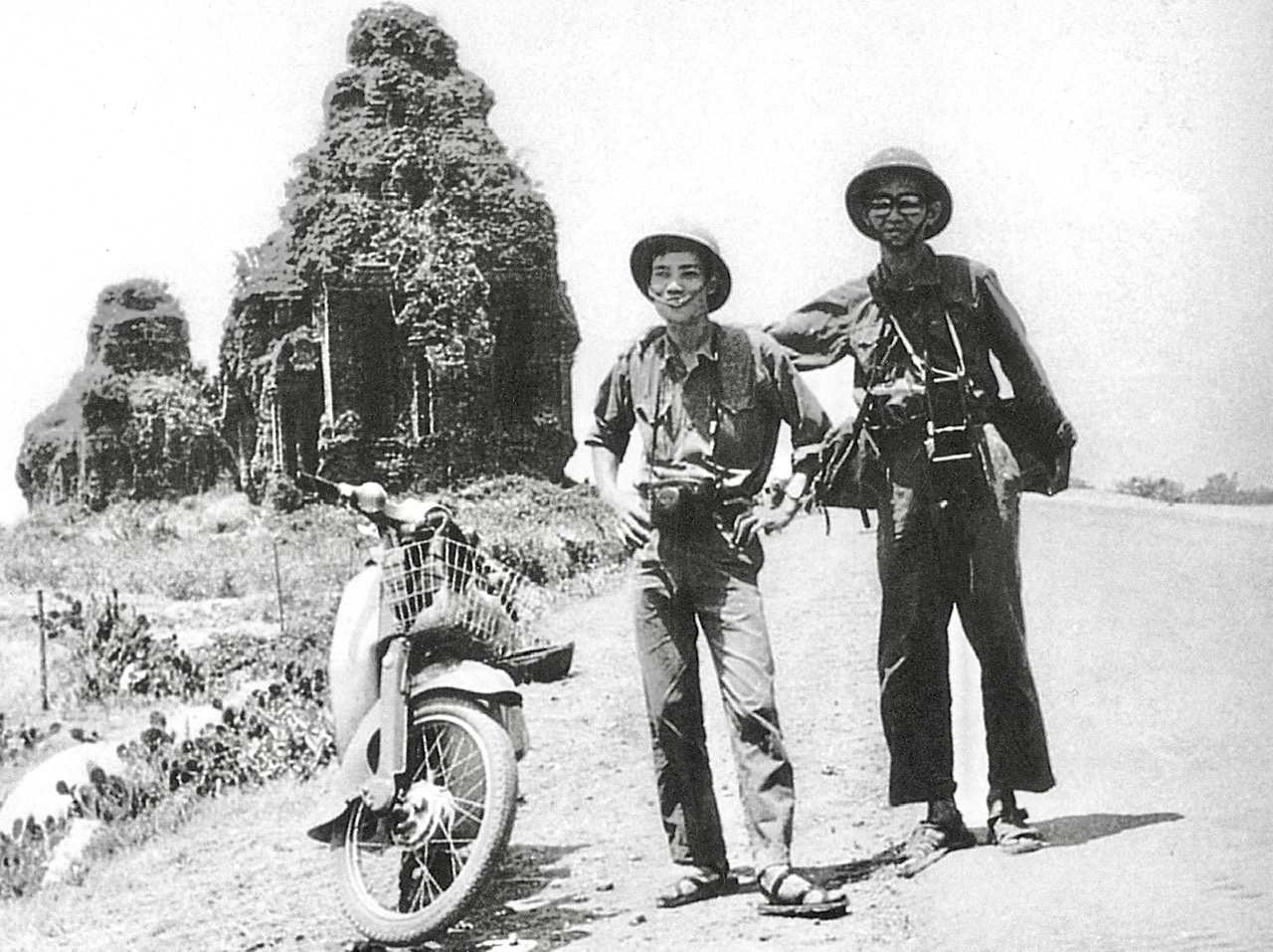
What makes him and his colleagues most concerned is how to complete the task in the harshest conditions: "The more difficult thing is how in such circumstances, the task must be completed. Not only must we be present and witness in time, but we must also have images and documents, promptly have news, articles, images and transfer them to the agency".
These requirements are not difficult for the press today, but they are an extremely big challenge in the battlefield. Reporters must both stick to the combat unit and work, take notes, take photos, and find ways to transmit information to the agency in conditions of lack of means and always face risks.
Journalist Tran Mai Huong said that those years have helped the generation of war correspondents to cultivate professional bravery and living bravery. The values formed from the war have become a fulcrum for them in peacetime life.
In his memory, the spring of 1975 is one of the most special milestones of his journalistic career. Following the army entering Saigon, he was present at Independence Palace at noon on April 30, 1975 and recorded the famous photo "Liberation Army tanks entering Independence Palace".
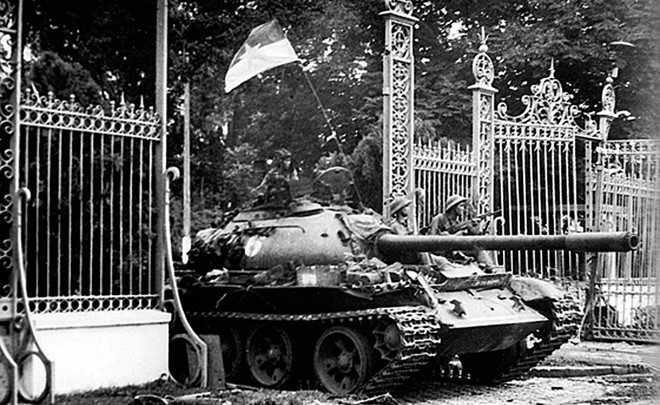
However, when recalling that historic moment, what he remembers most is not the feeling of victory. In the decisive moment of national history, journalists almost had no time to think about personal emotions. What they cared about was how to stick to the soldiers, record the most authentic images and promptly reflect what was happening.
That is also what makes him always cherish the generation of war correspondents that year - those who contributed to recording the pages of history with their own sweat, tears and sometimes even their lives.
Legacy of a generation of journalists in war
Mentioning the past years, what moved journalist Tran Mai Huong the most was not her own professional milestones but memories of colleagues.
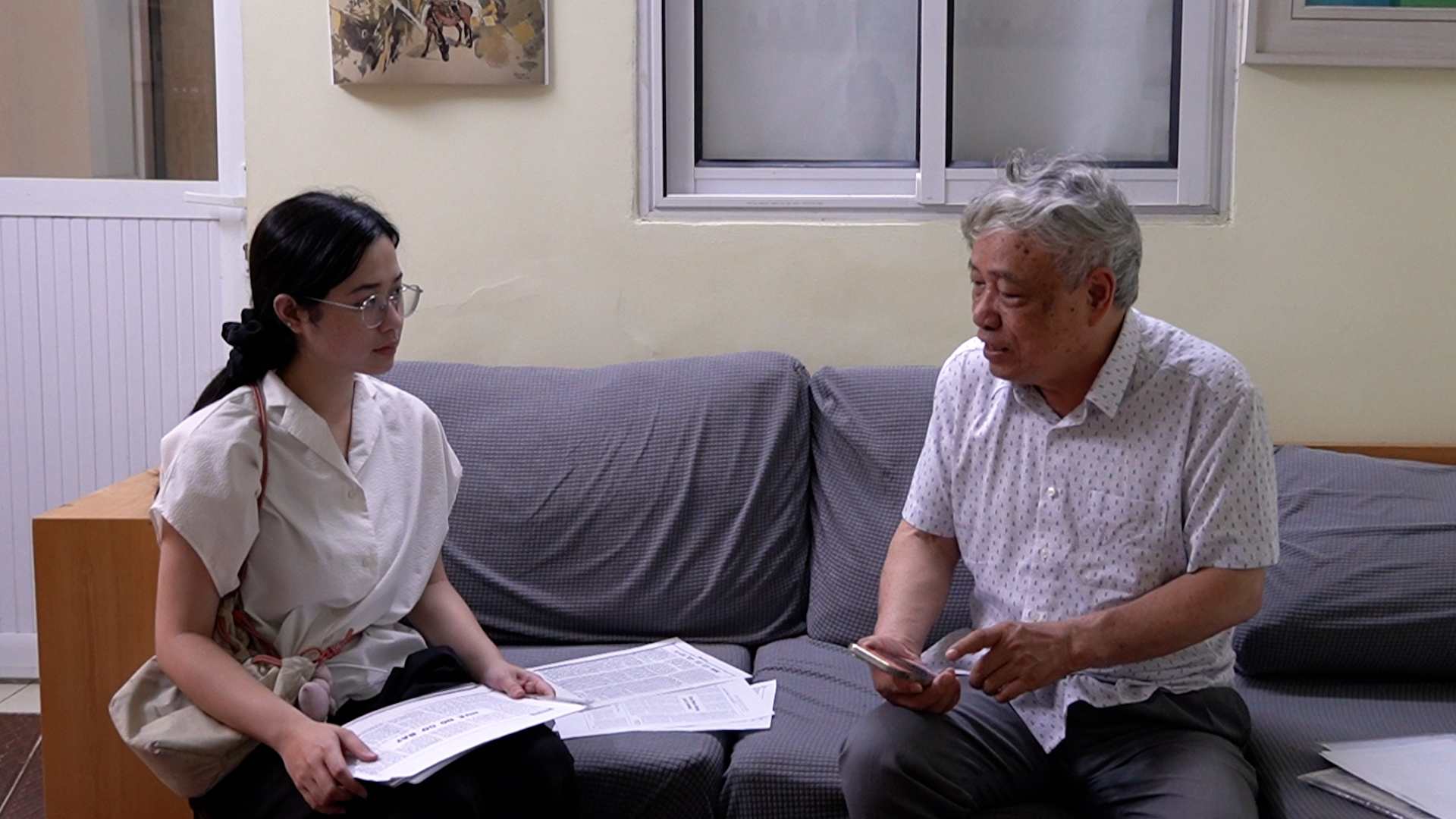
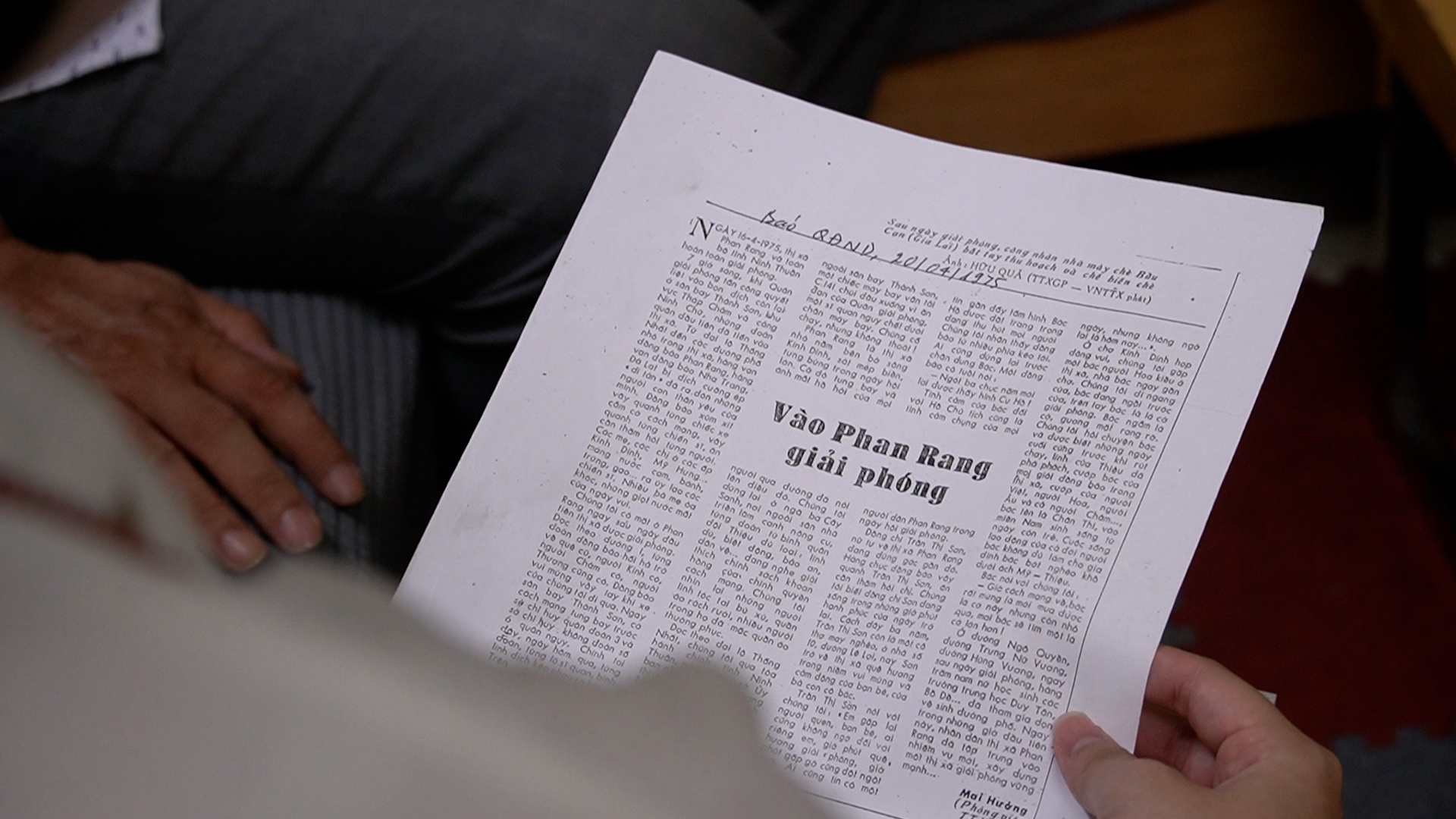
During the resistance war, the team of officials and reporters of Vietnam News Agency was present in most fierce battlefields. Many people could not return.
VNA has a large team of officials and reporters who have made great contributions to the journalism career, to the struggle to protect and build the country. Many of them are gone. More than 260 martyrs of the industry have fallen on the battlefields," Mr. Huong said.
For him, it's not just numbers. That is female guerrilla Thu Hong in Quang Tri that he once photographed, who died a few weeks later when she was not yet 20 years old. That is photographer Nghia Dung, a colleague he met on the march and then fell in the early days of the campaign. That is also many reporters, technicians, and telegraph operators who lay down on the battlefields when the news pages were still unfinished.
Those losses made him even more deeply understand the meaning of journalism in preserving historical memories.
According to journalist Tran Mai Huong, if there were no news reports, photos, and footage recorded during the war, many events, and many human fates might only exist in the memories of a few witnesses.
Therefore, he always emphasized the role of observation, perception and recording for journalists: "Observation, perception, and recording in the process of working is a very important requirement of journalists".
However, according to him, professional skills are only a part of the profession. Living concepts, civic responsibility, awareness of professional duties and the spirit of willingness to overcome difficulties to complete new tasks are the top requirements for writers.
Sharing with today's young generation of reporters, journalist Tran Mai Huong said that journalism is entering a new stage of development with more favorable conditions than before. Young people are well-trained, have many advantages in technology and modern journalism skills.
I completely believe that the current generation of journalists will worthily inherit the career of their predecessors, excellently fulfill their mission, and bring our country's journalism to the level of tasks of the new era," journalist Tran Mai Huong added.
After more than half a century of being attached to journalism, going through wars and witnessing the country changing in peace, journalist Tran Mai Huong still maintains his love for the profession that he chose from youth.
And perhaps, that is also the most profound thing that remains from the story of a war correspondent when looking at today's Vietnamese Revolutionary Press Day.
I am happy to have lived such a life and if I could choose again, I would still like to be a journalist to praise the good things of people and life in my beloved country," Mr. Huong emphasized.


