
The collection of Buddhist scripture pillars of the Dinh Dynasty, also known as Dinh Khuong Lien scripture pillars, Hoa Lu stone pillars, Bao Trang, Kinh Trang... Buddhist scripture pillars of the Dinh Dynasty (10th century) in Hoa Lu capital (Ninh Binh), erected by Nam Viet Vuong Dinh Lien or Dinh Khuong Lien, eldest son of King Dinh Tien Hoang, from 973 - 979.
Ninh Binh Museum currently preserves a collection of Buddhist scripture pillars from the Dinh Dynasty, including 49 artifact units and 29 number of pillars (29 scripture pillars and parts of scripture pillars). In which, each scripture pillar is about 1.4m high, weighing nearly 120kg, made entirely of blue stone, including 6 parts: base, base, pillar body, cushion, lotus pedestal and lotus bud.
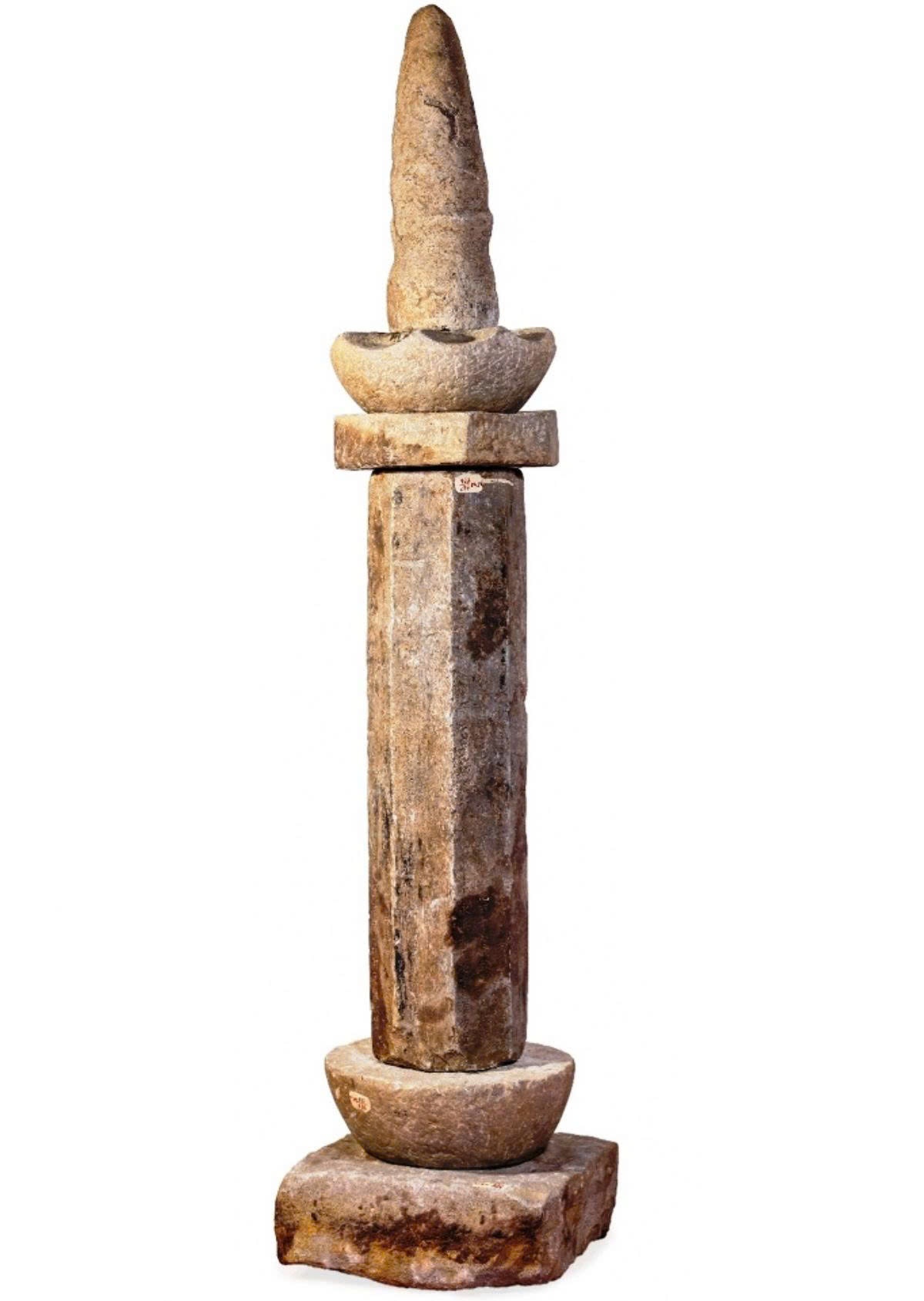
The body of the pillars is octagonal, gradually shrinking from bottom to top, the body is 50-69cm high, 15.5-17cm in diameter (top face) and 15-19cm (bottom face). The faces of the pillars are carved with sutras, verses or lac khuc in Chinese characters, each column has about 545-563 characters (lac khuc 130-140 characters, kinh 413-422 characters). However, currently some characters have become blurry, only some characters can be read.
The sutra part is engraved with a transliteration spell from Sanskrit in the Buddha's Peak Ton Thang Da la ni sutra, also known as the Buddha's Peak Toi Thang Da la ni... The moment after the spell part reveals information about the name, position of the person who erected the sutra column, the reason for erecting the sutra column and information to determine the age of the sutra column.
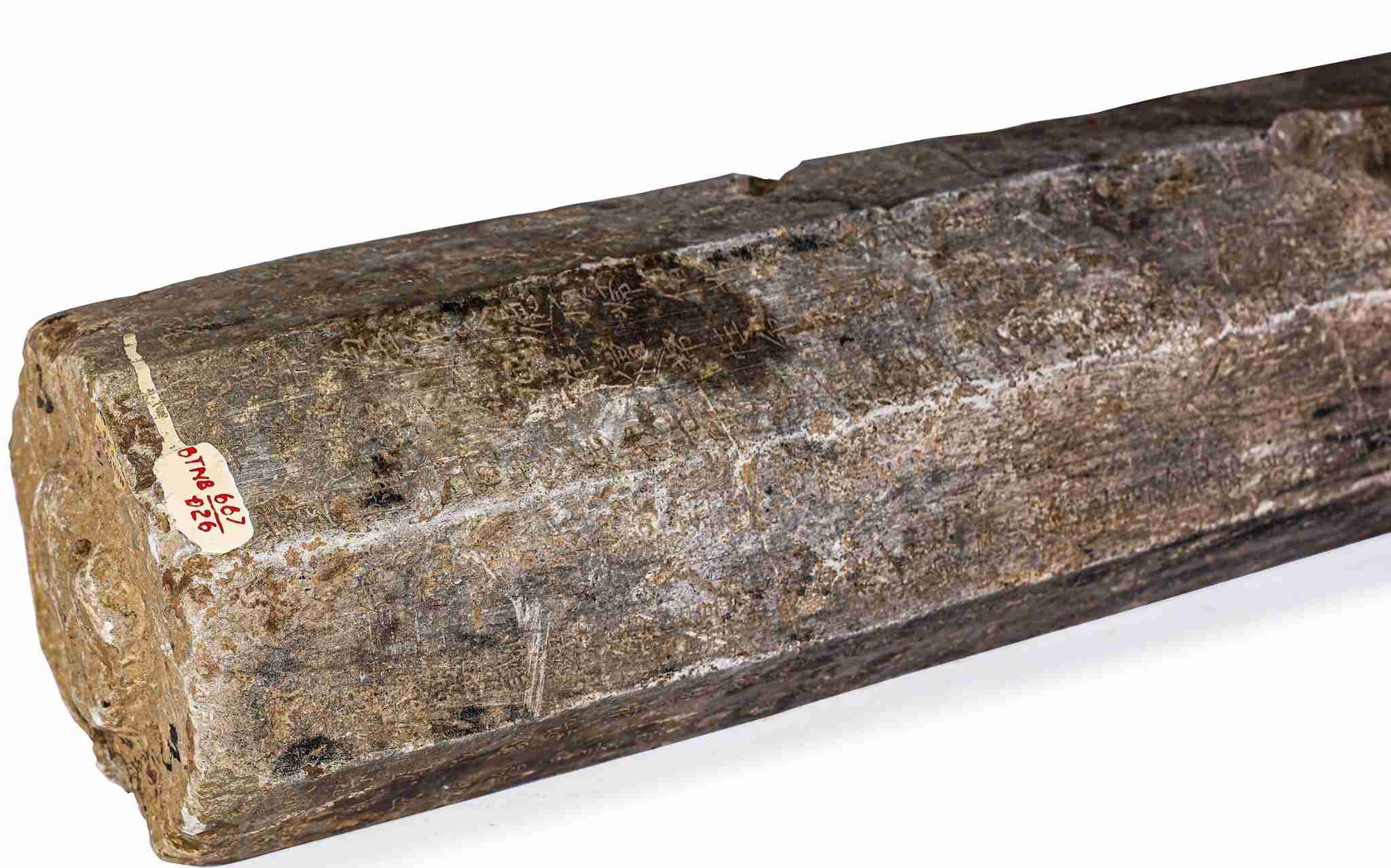
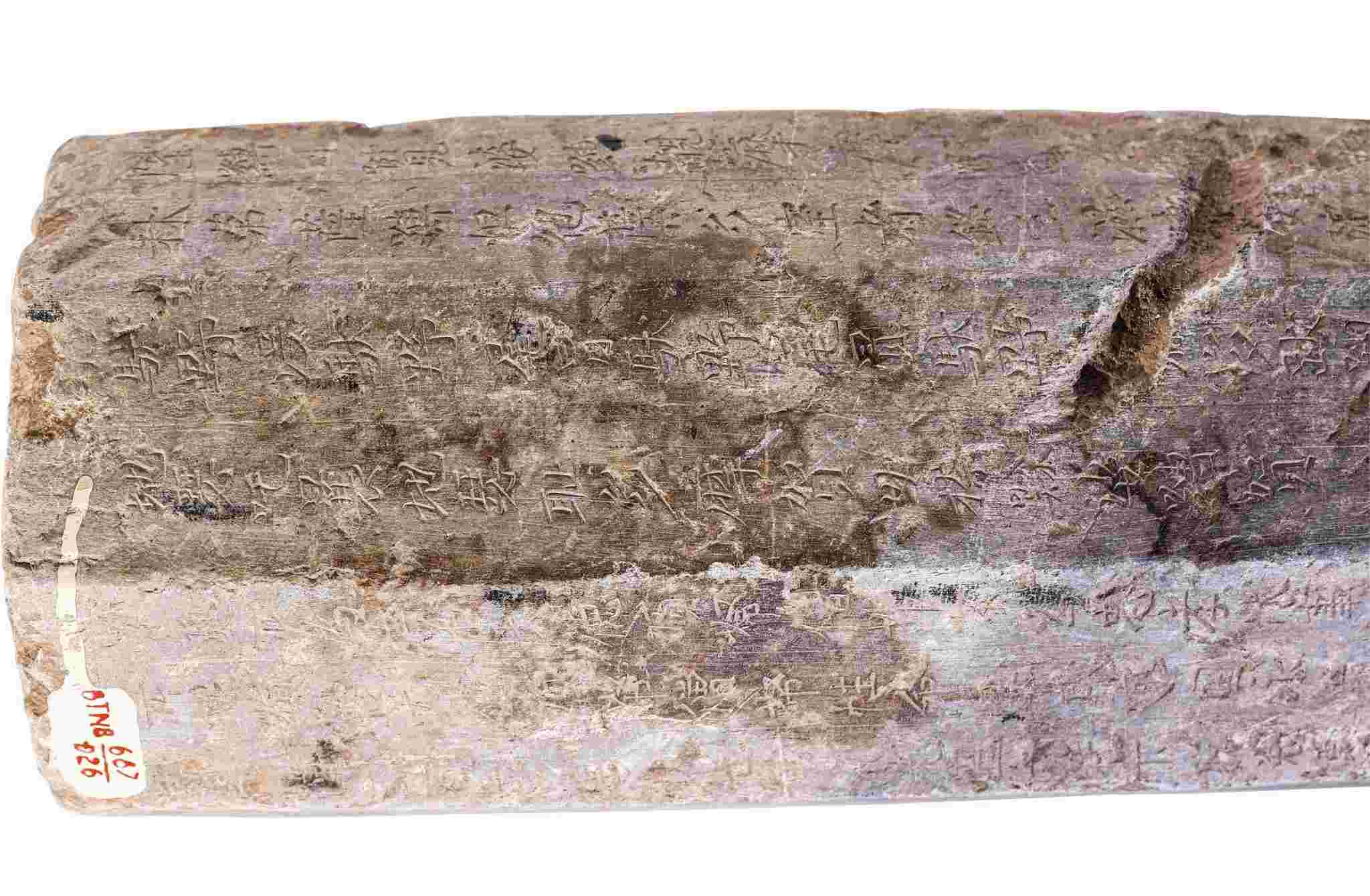
Ms. Vu Thanh Lich - Deputy Director of Ninh Binh Department of Culture and Sports - said that from the information of the engraved words on the Kinh pillar, it shows that Nam Viet Vuong erected the Kinh pillar to pray for Dai Thang Minh Emperor (King Dinh Tien Hoang), requiem for his younger brother Dinh Hang Lang, and is a prayer for longevity and repentance of himself.
Over 1,000 years, this is a particularly valuable artifact in terms of history, culture and is the only written historical source established under the Dinh Dynasty that still exists. Han scriptures on the pillars of scriptures not only reflect historical events but also the development of writing in the 10th century.
The collection of Dinh Dynasty Buddhist scriptures at Ninh Binh Provincial Museum to date is a unique artifact, the only collection of Dinh Dynasty Buddhist scriptures in Vietnam. This is also a collection of intact Dinh Dynasty scriptures and the only one among the 100 scripture pillars that Nam Viet Vuong ordered to be erected" - Ms. Lich said.
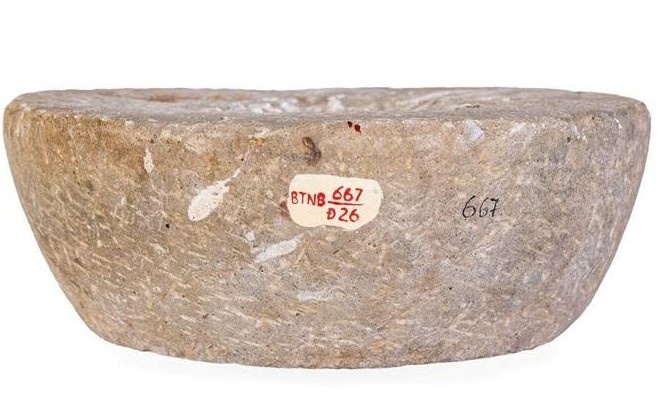
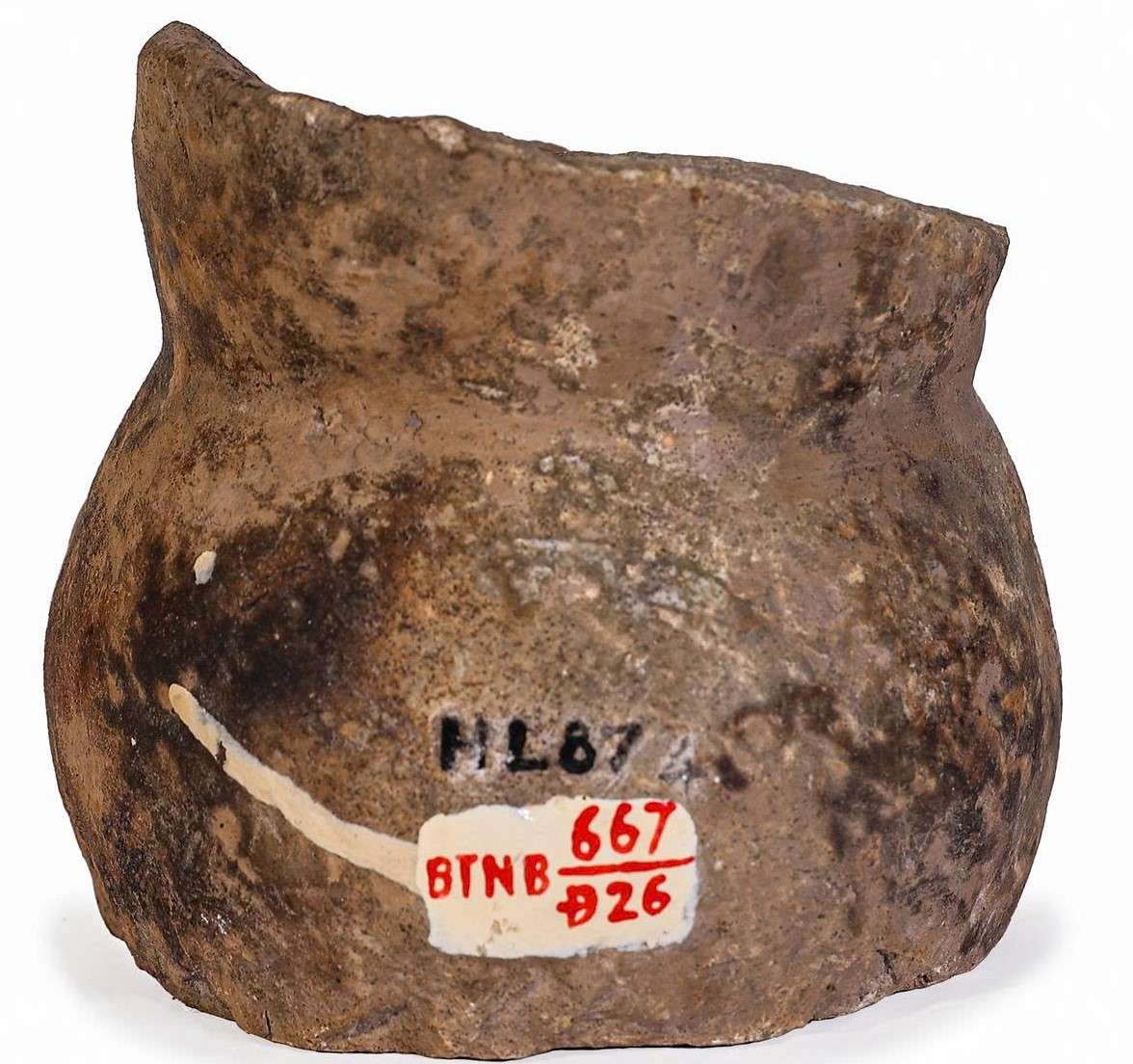
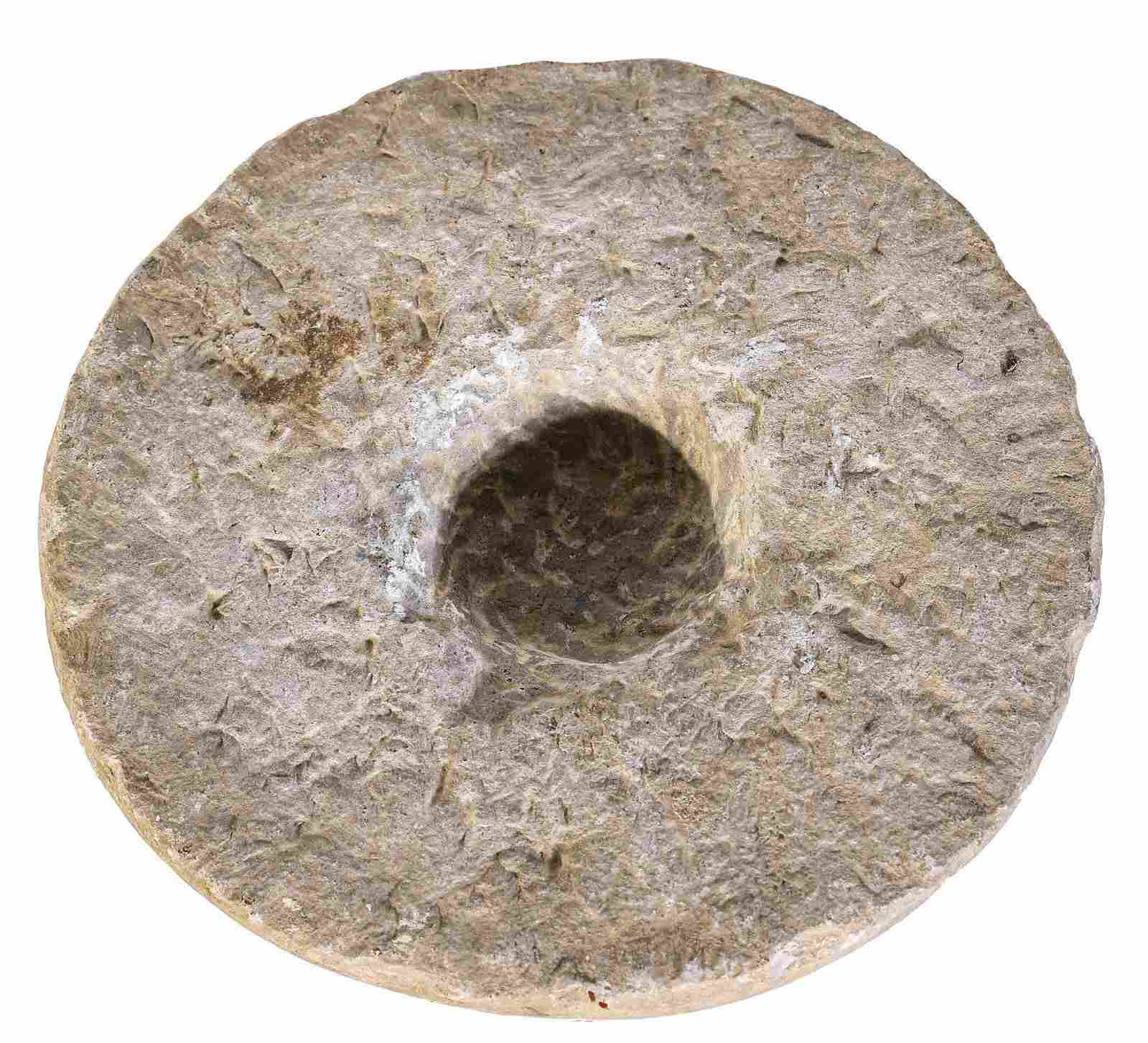
Also according to Ms. Lich, this is an artifact with a unique shape, artistic value, a harmonious combination of basic shapes and blocks, unique creation techniques, and dream collage without additives to connect. In addition, the Kinh pillar also has aesthetic value, shaping value, showing the skillful hands of ancient artisans.
The collection of Buddhist scripture pillars of the Dinh Dynasty was first discovered in 1963. In June 1964, during the process of digging soil to build dikes in the Hoang Long River area, Truong Yen commune, Hoa Lu district (old), some other scripture pillars were discovered. In 1995, Ninh Binh Provincial Museum collected scripture pillars at the foot of Hang Quang mountain (in front of King Dinh Temple) and completed the collection. The collection of Buddhist scripture pillars of the Dinh Dynasty was recognized as a national treasure in 2024" - Deputy Director of Ninh Binh Department of Culture and Sports Vu Thanh Lich added.


