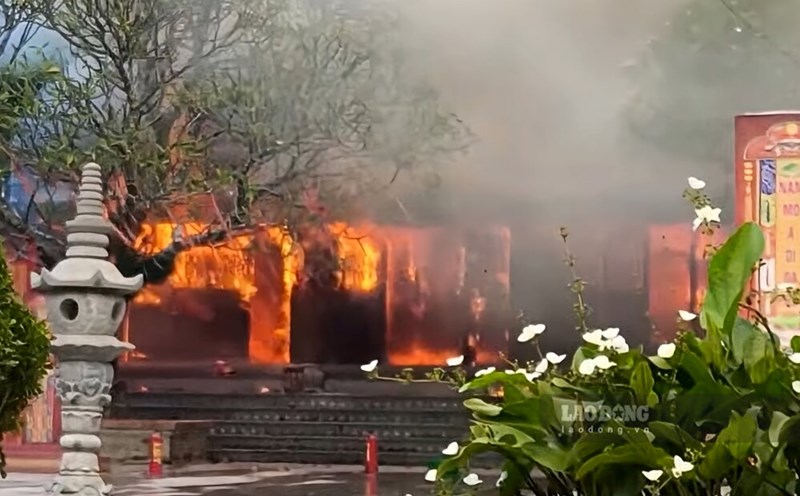
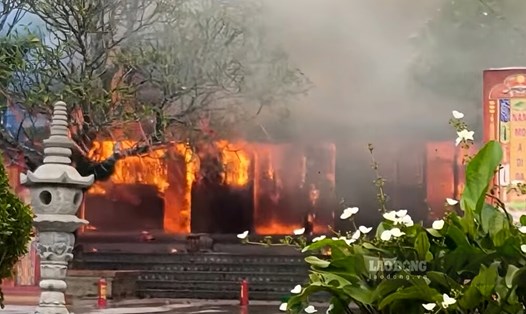
Pho Quang Pagoda (also known as Xuan Lung Pagoda) dates back about 800 years and still preserves many valuable artifacts and antiques from many dynasties from Tran and Le Nguyen.
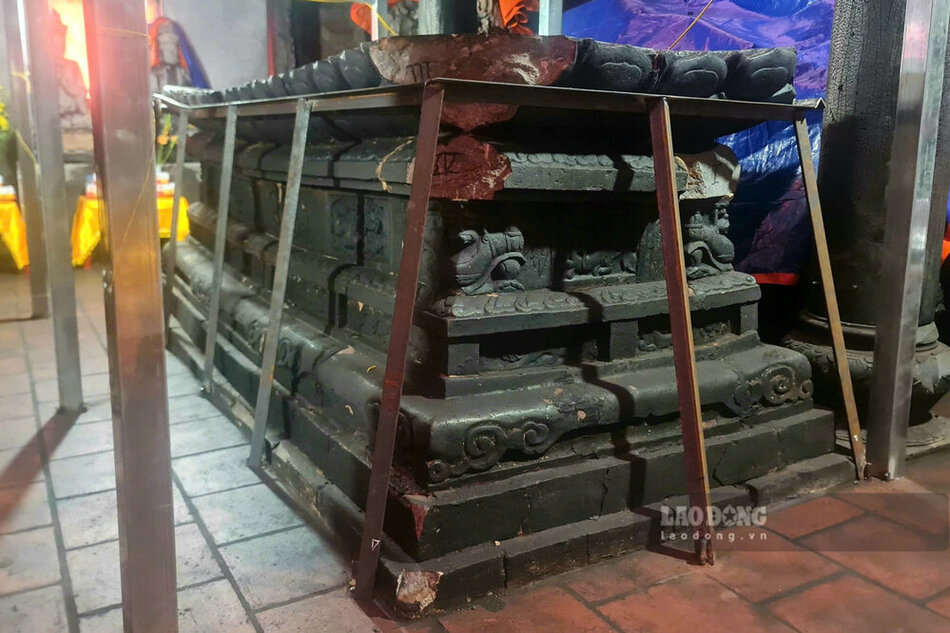
The most special thing is that in the Main Hall there is a lotus stone pedestal made in 1387, used as a Buddha altar and has never moved its location since then. In 2021, this stone pedestal was recognized as a National Treasure.
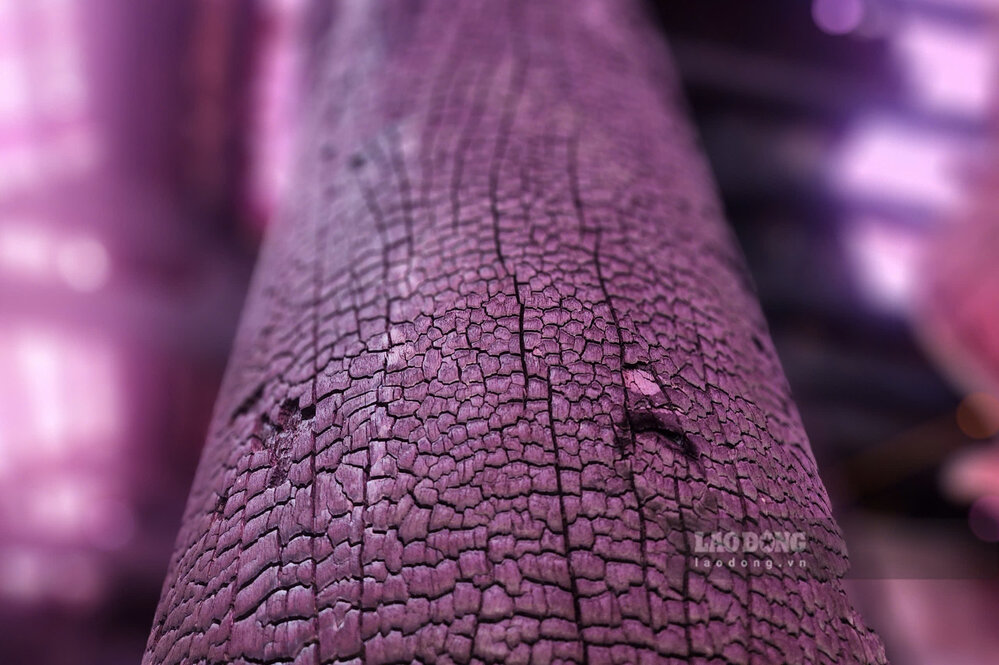
As Lao Dong Newspaper reported at the end of October 2024, Pho Quang Pagoda (also known as Xuan Lung Pagoda) in Xuan Lung commune, former Lam Thao district (now Xuan Lung commune, Phu Tho province) was burned, causing many property damages.
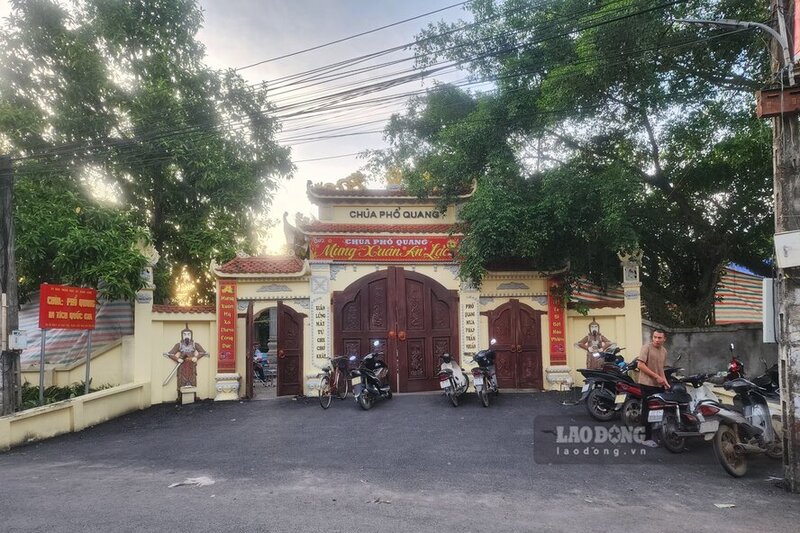
According to statistics, the damages include: The entire wooden part, the negative tiled roof, the electrical system were burned and damaged, and the earthen and wooden statues in the Tam Bao house were damaged by heat. Preliminary estimates show that the total material damage is about 25 billion VND.
The project to restore and embellish Xuan Lung Pagoda relic, Xuan Lung commune, Lam Thao district was approved according to Decision No. 3503/QD-UBND dated June 16, 2025 of the old Lam Thao District People's Committee.
This project belongs to Group C, with a total investment of 40 billion VND invested by Xuan Lung Commune People's Committee.
According to the reporter's investigation, Package No. 02: Construction of works and equipment of the project has just completed the contractor selection work.
Package No. 02 was widely bid through the network, priced at more than 33.57 billion VND from state budget capital, socialized capital and other legally mobilized capital sources.
Winning the bid with a price of more than 33.52 billion VND is the Joint Venture of Vietnam Civil Construction and Cultural Works Joint Stock Company and Hung Lam Heritage Construction and Conservation Joint Stock Company.
According to the bidding documents, the project will renovate and embellish Pho Quang Pagoda with items: Tam Bao Pagoda; interior of Tam Bao Pagoda and Mother House; Tam Quan gate... New construction of works: Lecture hall, ceremony hall, monk's house.
Along with that, invest in repairing, restoring and building new auxiliary items including: Infrastructure, landscape gardens; water supply and drainage; overall power supply system; fire prevention and fighting; toilets; kitchens; gold-burning buildings... synchronously according to the project level.
The project is invested with the aim of preserving, conserving, restoring and promoting the value of relics, traditional cultural and religious activities, serving the tourism needs, improving the spiritual and cultural life of the people; contributing to preserving national cultural identity.
Pho Quang Pagoda was started in the 14th century Tran Dynasty, belonging to the Bac Tong sect. The pagoda is built in the style of the "Cong" script, tiled roof, two levels of pagoda.
The upper-level pagoda has 3 compartments with a width of 10m, a length of 7m. The lower-level pagoda has 5 compartments with a width of 16m, a length of 13.5m. The overall architectural ground of the pagoda includes: Tam Quan - bell tower, stele house, Tam Bao building.
Two stone steles at the pagoda, one created in 1628, record information that the pagoda was once damaged, and was restored in 1626 by the Monks Tin Quan, Phu Xuyen hau Nguyen Hieu Dung, Si Phu Nguyen Van Vi and about 70 heads of festivals and festivals. The towers of Thuong Dien, Thien Huong, Tien Duong, Hau Duong, Tam Quan... were all beautifully restored.
The remaining stele was created in 1634, engraved with the poem "Duong Luat 8 verses" by Pham Su Manh in 1377 talking about going to Kinh Ly in this region - excerpt from the Han Nom Vietnamese Books (Hanoi, 1993).