
The project to expand Hanoi Highway and National Highway 1 has a total length of 15.7 km, from Saigon Bridge to Tan Van intersection, started in April 2010 in the form of BOT (build - operate - transfer). The entire route is divided into 3 sections, with a scale of 12 to 16 lanes.
Up to now, section 1 (Saigon - Binh Thai bridge) and section 2 (Binh Thai - Station 2 intersection) have been basically completed, put into operation and have shown clear effectiveness in reducing congestion and improving traffic on the city's eastern main traffic axis.
However, section 3 from Tram 2 intersection to Tan Van intersection, especially the section about 2.2 km long from Tan Van intersection to the new Mien Dong Bus Station, has not yet been expanded due to site clearance issues.
The "bottleneck" here causes the road surface to be frequently degraded, with large traffic congestion, causing prolonged traffic jams for many years.
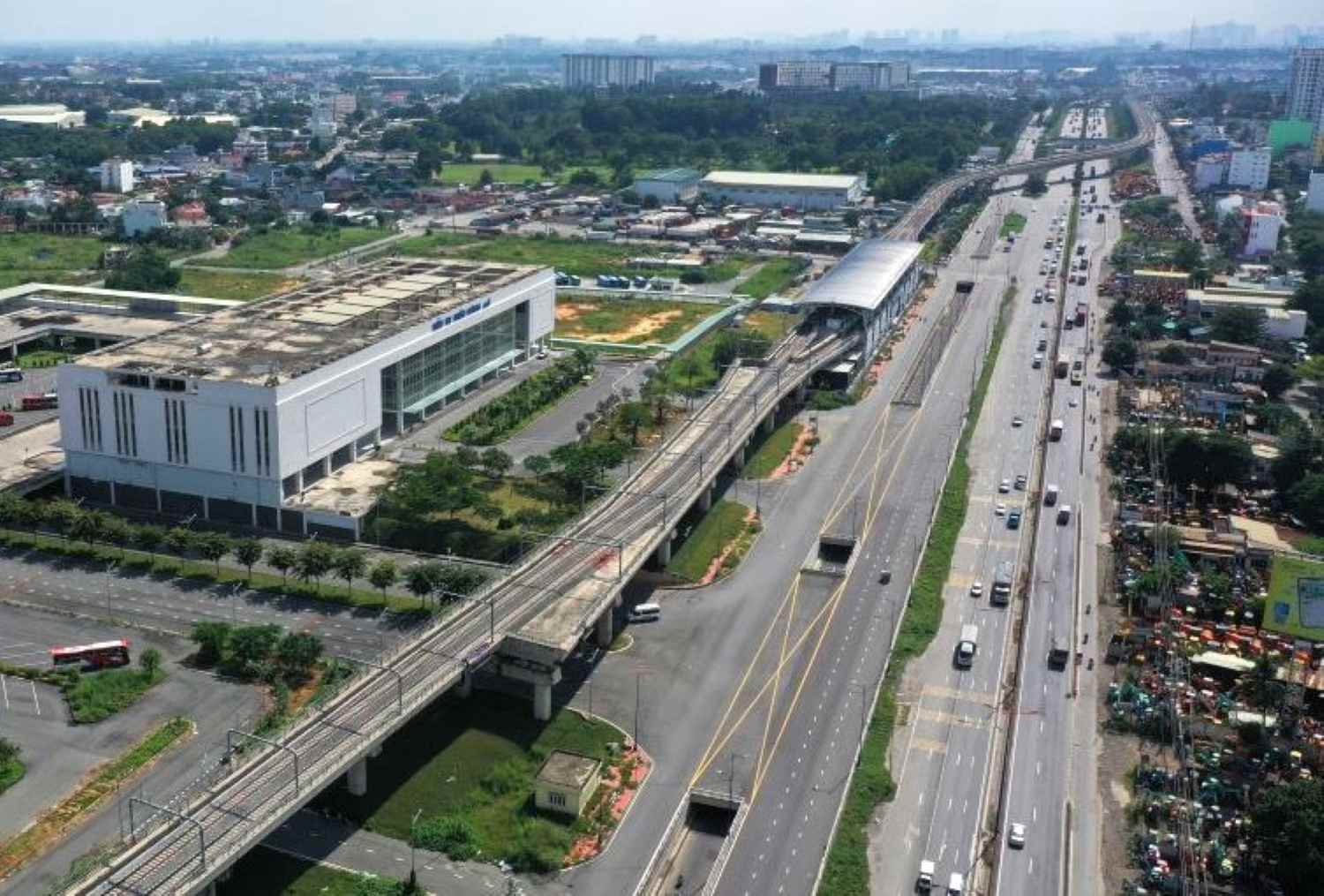

According to statistics, this area has 201 affected households, with a total recovered area of about 17 hectares. To date, all 201 households have been inventoried, but compensation has only been paid to 55 households (about 5.5 hectares).
The remaining 146 households, equivalent to 11.5 hectares, have not been resolved, causing the project to be temporarily suspended.
The main cause identified is the difference in the unit price of agricultural land compensation between Ho Chi Minh City and Binh Duong province (formerly).
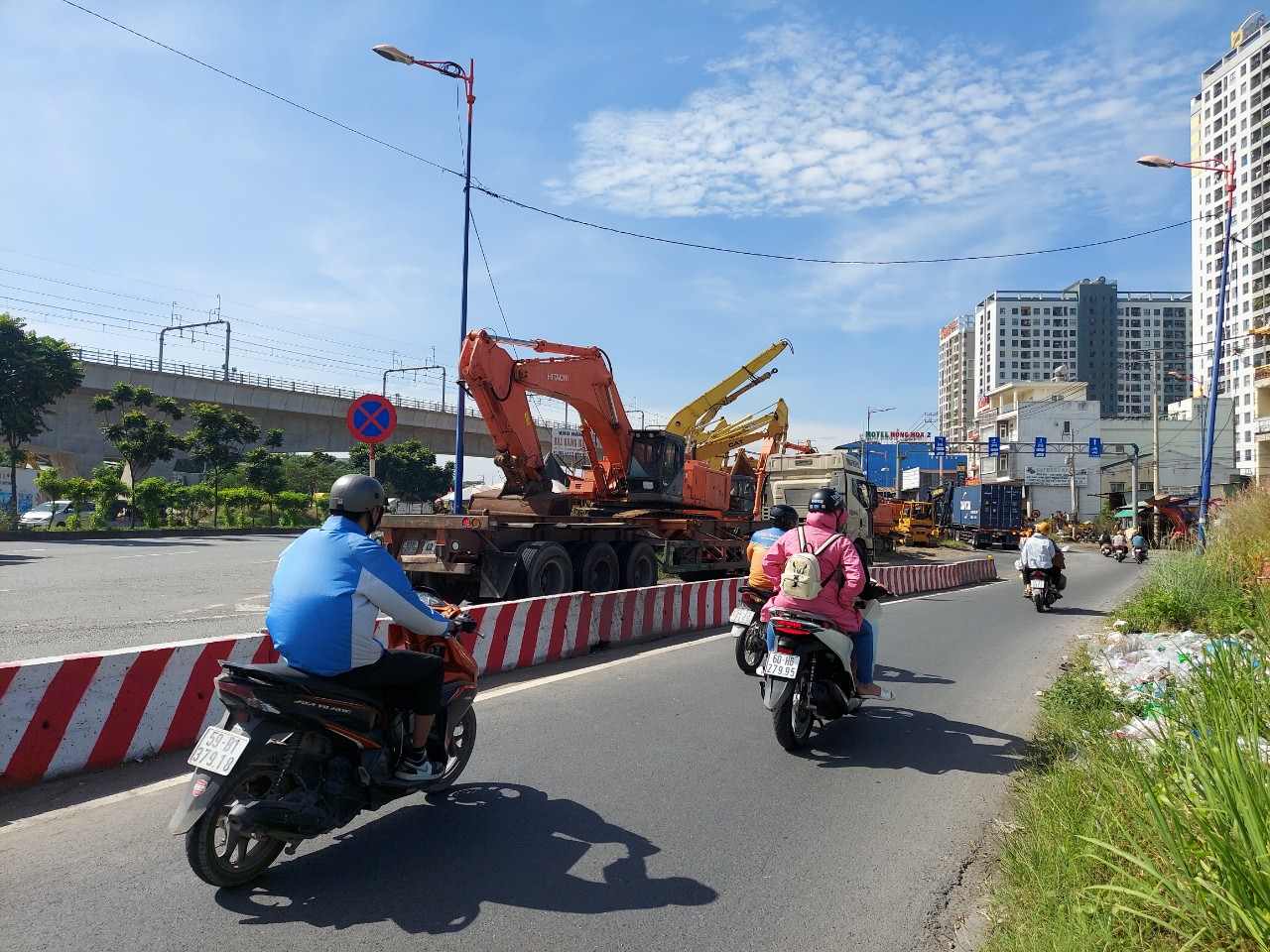
According to the Ho Chi Minh City Department of Construction, up to now, the project to expand Hanoi Highway and National Highway 1, the section from Tram 2 intersection to Tan Van intersection, has reached more than 91% of the volume.
The remaining part in Tang Nhon Phu and Dong Hoa wards still has to be temporarily suspended due to problems in compensation and site clearance.
Over the past time, Ho Chi Minh City leaders and relevant departments and agencies have organized many meetings to remove difficulties and create conditions for the project to be implemented soon.
Up to now, the basic obstacles have been resolved. The investor is preparing a project adjustment dossier, and is expected to complete the entire project in 2027.
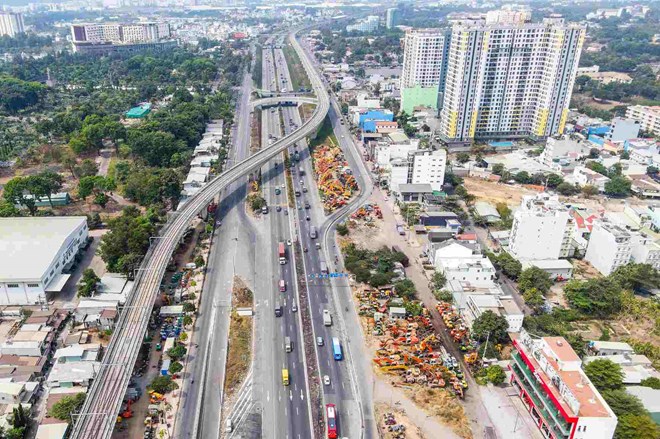
Providing more information about compensation work, Mr. Trinh Linh Phuong - Deputy Director of the Project Management Board for Investment and Construction of Transport Works of Ho Chi Minh City - said that the section passing through Binh Duong province (formerly) belongs to the compensation and site clearance project to recover land along Hanoi Highway, in order to create land fund for the construction of Metro Line No. 1 (Ben Thanh - Suoi Tien).
Before the merger, the project faced many difficulties in building compensation unit prices, mainly due to the difference in agricultural land prices between Ho Chi Minh City and Binh Duong.
After the merger, Ho Chi Minh City leaders directed relevant departments and agencies to support investors, implement balance and adjust the unit price of agricultural land, and ensure the rights of people in accordance with the provisions of the Land Law and in accordance with the City's land price list.
Currently, the Ho Chi Minh City Traffic Construction Investment Project Management Board is coordinating with the Di An Land Development Center Branch and Dong Hoa Ward People's Committee to complete the compensation unit price, review the resettlement land fund and complete the adjusted compensation plan, submitting it to the Ho Chi Minh City People's Committee for consideration and approval.
According to the plan, the adjusted compensation plan will be submitted for appraisal and approval in the second quarter of 2026. Compensation payment is expected to be implemented from the third quarter of 2026, site handover and project continued construction from the fourth quarter of 2026.


