Wild monkeys in the mangrove forest in Can Tho attract visitors to explore

TẠ QUANG |

Can Tho - In the middle of the mangrove forest along the Hau River in Cu Lao Dung, dozens of monkeys still live freely, creating a pristine, attractive ecological destination for tourists.

Mischievous monkeys keep tourists

No cages, no fences separating, and no need for performances. In the green mangrove forest in Cu Lao Dung commune (Can Tho city), dozens of monkeys branch out every day, foraging and living naturally in the forest. This is what has created a special attraction for the land that many people call by the familiar name: "monkey island".

From the river wharf, stepping onto the bamboo bridge through the forest, visitors enjoy the green space of mangroves and the chirping of birds. Just a few minutes later, the shadows of monkeys began to faintly appear on the trees. Some sat quietly observing, some quickly passed branches, and a few moved closer to the path as if curious about the appearance of strangers.
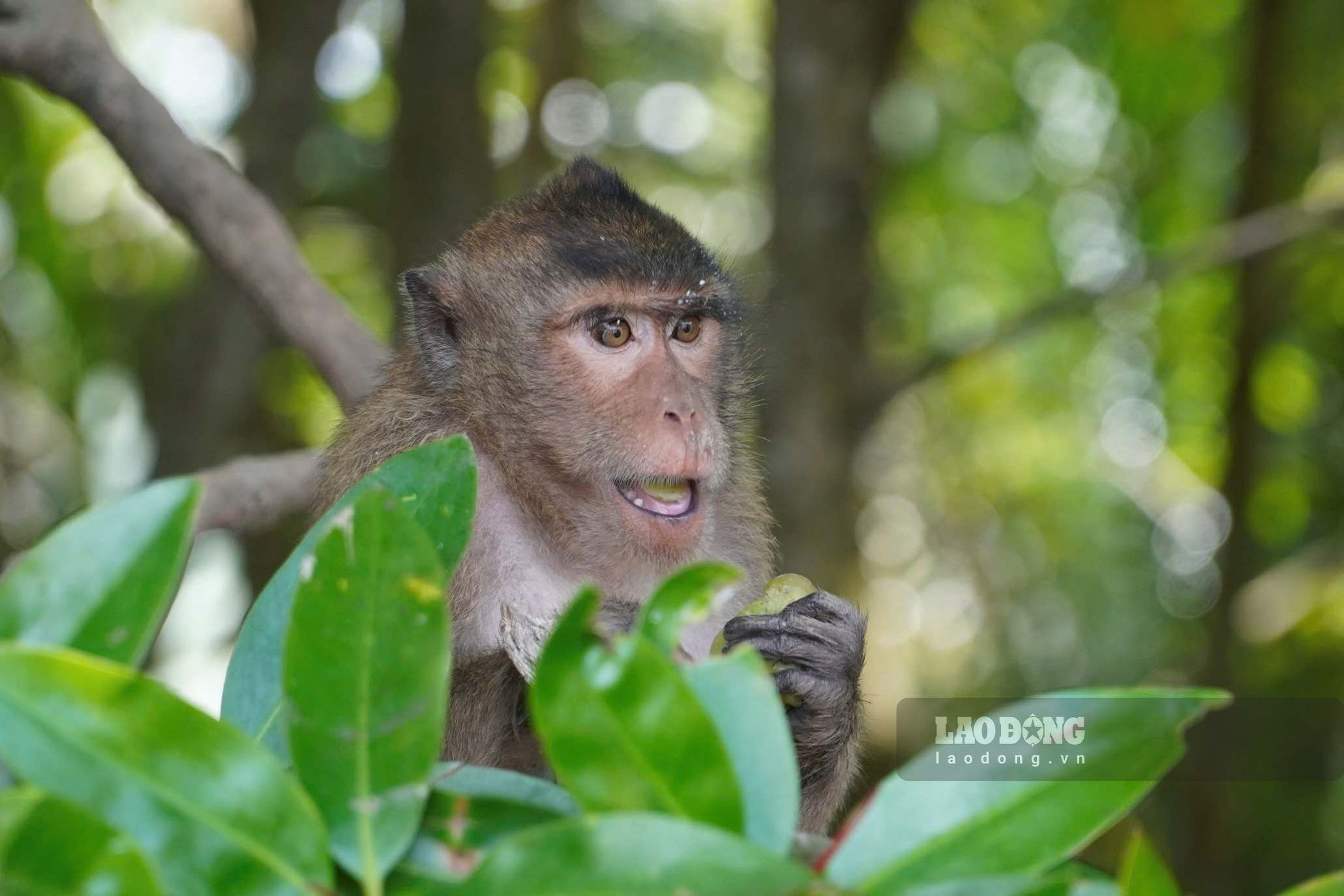
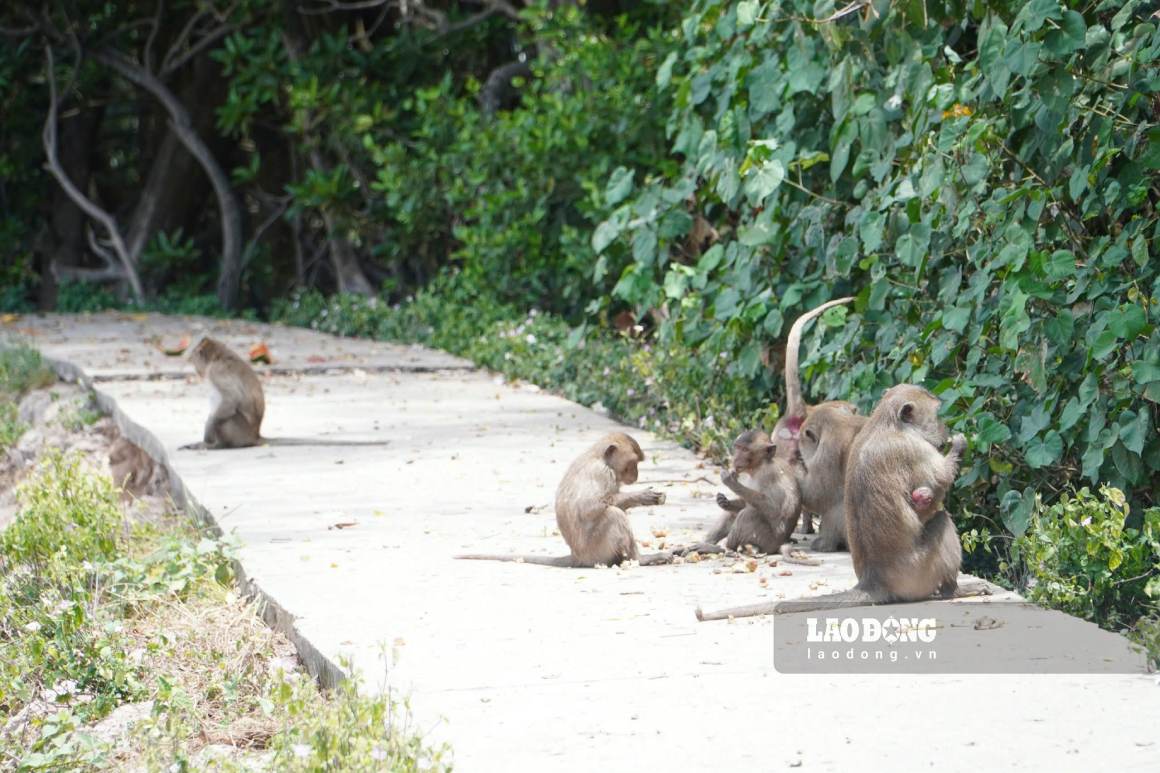
Những chú khỉ thấp thoáng trên các tán cây và bên đường. Ảnh: Tạ Quang
Monkeys faintly visible on the trees and roadsides. Photo: Ta Quang

Few people thought that, even in the land at the end of the Hau River, there was still an almost pristine ecosystem like that.

Cu Lao Dung is located between the two estuary of the Dinh An and Tran De rivers, and has long been considered one of the largest mangrove forest areas of the Mekong Delta. In the Southeast region alone, there are currently about 1,700 hectares of mangrove forest, creating the "green lung" of the estuary area. That environment has become an ideal habitat for many wild animals, including monkeys that have lived for many years.
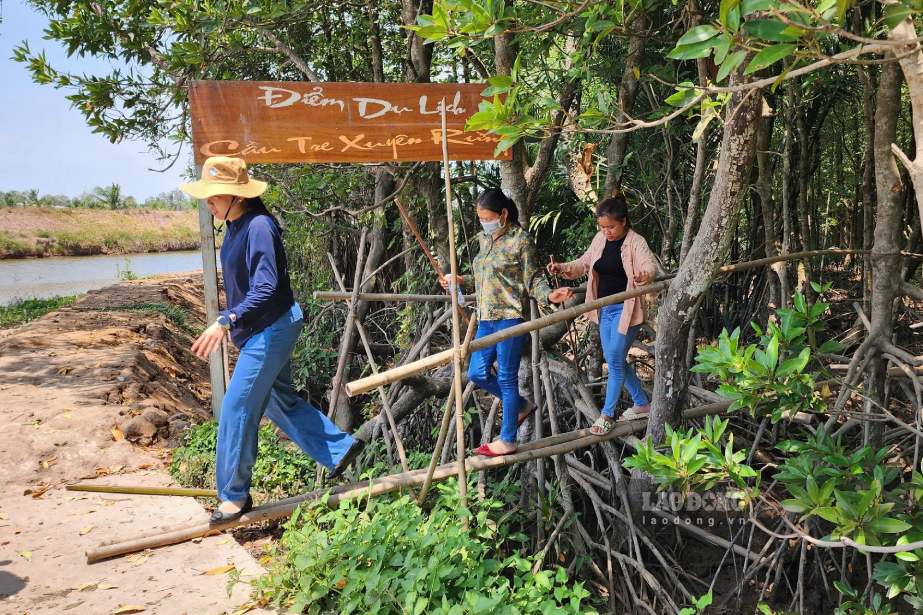
Điểm đến sinh thái bên dòng sông Hậu hoang sơ, hấp dẫn du khách. Ảnh: Tạ Quang
Ecological destination by the pristine Hau River, attracting tourists. Photo: Ta Quang

Coming to Cu Lao Dung for the first time, Mr. Hoang Khang (29 years old, An Giang province) said he was really surprised to see monkeys appearing right in the middle of the forest. "The thing that impressed me the most was seeing monkeys living completely naturally, running and jumping right in front of my eyes, creating a very interesting feeling," Mr. Khang shared.

For many tourists, the most memorable experience is not walking on a bamboo bridge across the forest but the moment of unexpectedly encountering wild monkeys. Their mischievousness and boldness along with the green space of the mangrove forest bring a rare and authentic feeling of closeness.

Forest rangers and special "residents

Having been attached to the forest for more than 30 years, Mr. Truong Van Dung (50 years old) currently manages about 5ha of forest and takes care of the Cau Tre through-forest tourist area. According to Mr. Dung, this area currently has about 30-40 monkeys living.

Every morning, the monkeys often go to the bamboo bridge area to forage. Some are quite aggressive, even clinging to tourists to ask for food. "When I see them disturbing tourists, I have to shout trees to chase them into the forest. Monkeys usually forage themselves, only when they are hungry do they come out to ask for food and have never harmed anyone," Mr. Dung said.
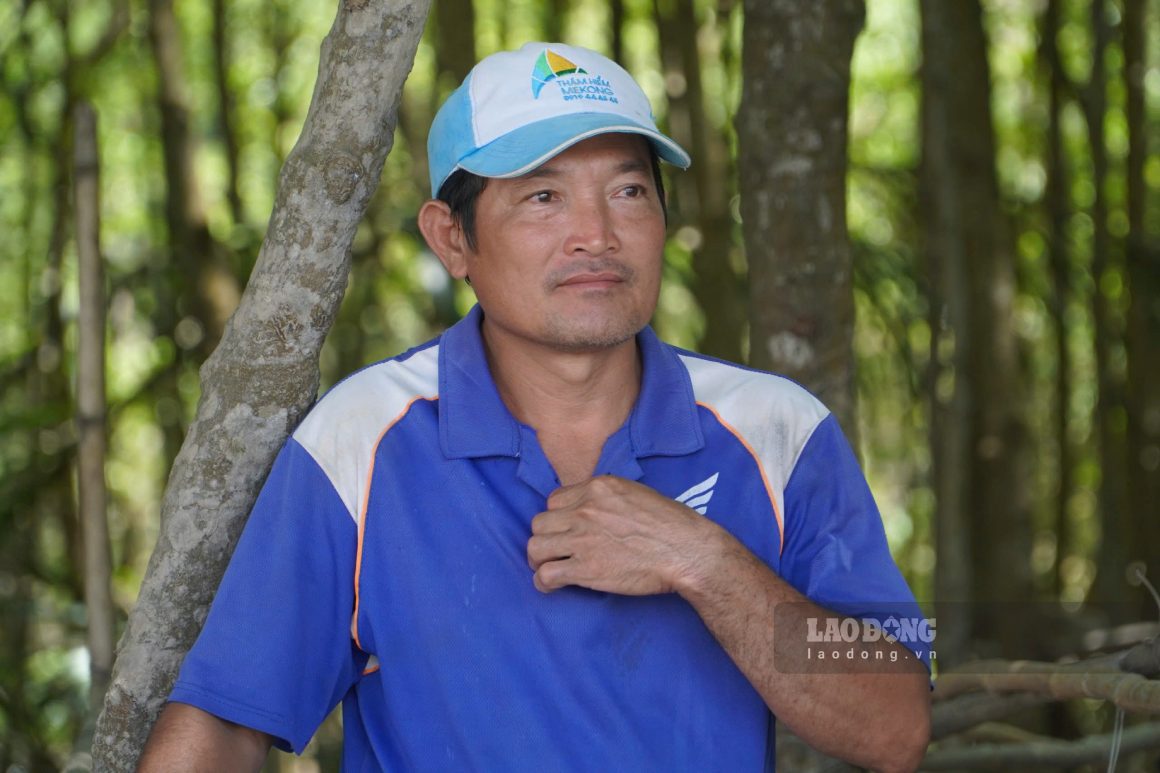
Ông Trương Văn Dũng với hơn 30 năm gắn bó bảo vệ rừng và chăm sóc đàn khỉ nơi đây. Ảnh: Tạ Quang
Mr. Truong Van Dung with more than 30 years of attachment to protecting the forest and caring for the monkey herd here. Photo: Ta Quang

Mr. Dung added that many forests in Cu Lao Dung all have monkeys living naturally. The thing that worries him the most is that they still occasionally encounter dead monkeys in the forest, possibly due to old age, illness or poisoning.

Monkeys are also part of this forest. I just hope everyone joins hands to protect them so that they continue to multiply in nature," Mr. Dung confided.
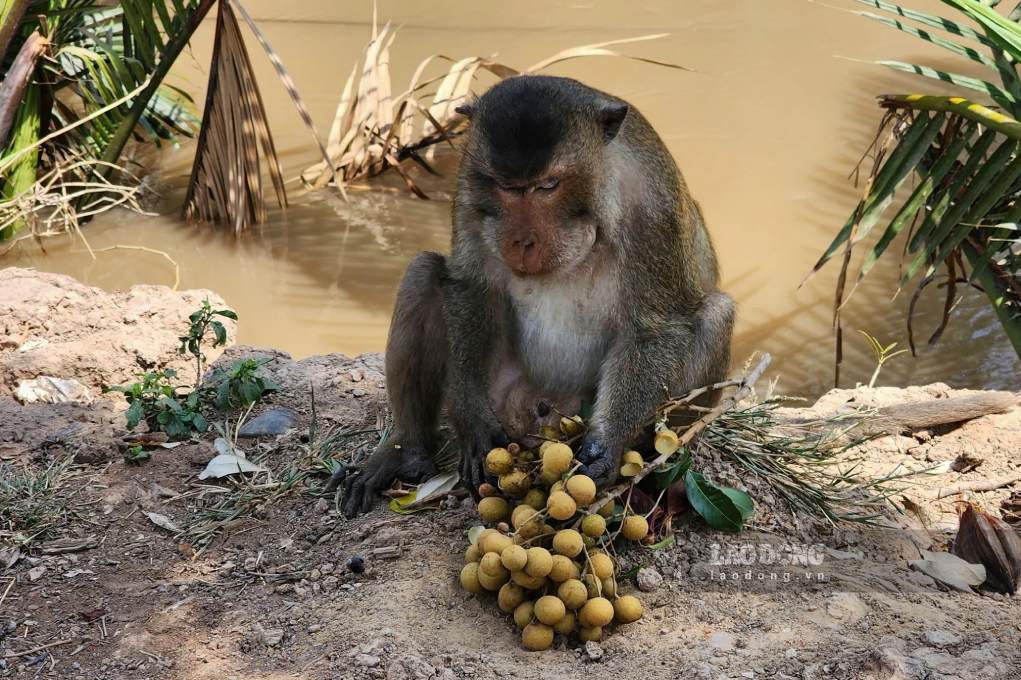
Những chú khỉ dạn dĩ đi tìm thức ăn. Ảnh: Tạ Quang
Brave monkeys looking for food. Photo: Ta Quang

Coming to Cu Lao Dung today, visitors can both see a herd of monkeys in the forest and explore the typical ecosystem of the coastal area with snakehead fish, three-striped crabs, crabs, wild bees and many species of water birds...

Currently, the tourist attraction is still open for free. After a journey through the mangrove forest, visitors can enjoy rustic dishes imbued with the flavor of the Mekong Delta.

The combination of pristine nature, diverse ecosystems and the story of preserving the monkey herd for many years has helped "monkey island" Cu Lao Dung become a different destination in the Mekong Delta. Through this, visitors can clearly feel the value of nature conservation and preserving the special "residents" of the land at the end of the Hau River.

TẠ QUANG
RELATED NEWS

Long-tailed macaque lost in tourist area released back to the forest

|

Khanh Hoa - A macaque suddenly appeared and was handed over by the tourist area to functional agencies and released back into nature.

Two mangosteen trees over a hundred years old tell the story of heroic land Can Tho

|

Can Tho - Having gone through more than a century with many historical upheavals, two ancient mangosteen trees are still green and lush, becoming special witnesses of the heroic land of Tam Vu.

Ancient pagoda by the Hau River and the story of the abbot who was conferred the title of martyr

|

Can Tho - Nestled by the Hau River, Hoi Linh Pagoda is not only an ancient pagoda but also associated with a special story about the abbot who was conferred the title of martyr by the State.

Bringing fresh water from the Hau River to Ca Mau needs more than 5,300 billion VND

|

Ca Mau - In order to implement the project to bring fresh water to Ca Mau, more than 5,300 billion VND is needed to build pipelines, large pumping stations, and adjacent works...

Principal of a school in Quang Tri whose exam site was negatively reflected speaks out

|

Quang Tri - Principal of Le Truc High School speaks out about information related to negative reflections in exams spreading on social networks.

Typhoon Ba Vi is strong at level 14, the latest forecast is the time and area where the storm is about to make landfall

|

It is forecasted that around the night of July 11th to the morning of July 12th, Typhoon Ba Vi will make landfall in the area between Fujian and Zhejiang provinces of China.

Floating raft owner selling cowfish at 2.9 million VND/kg fined over 20 million VND

|

Khanh Hoa - After tourists reflected on buying cowfish in boxes at a price of 2.9 million VND/kg at a floating raft, functional agencies have fined the facility owner more than 20 million VND.

Israel shares new information about US President assassination plot

|

A new warning from Israel appeared amid escalating US-Iran tensions, forcing the US President to change his private jet for security reasons.

Long-tailed macaque lost in tourist area released back to the forest

Hữu Long |

Khanh Hoa - A macaque suddenly appeared and was handed over by the tourist area to functional agencies and released back into nature.

Two mangosteen trees over a hundred years old tell the story of heroic land Can Tho

TẠ QUANG |

Can Tho - Having gone through more than a century with many historical upheavals, two ancient mangosteen trees are still green and lush, becoming special witnesses of the heroic land of Tam Vu.

Ancient pagoda by the Hau River and the story of the abbot who was conferred the title of martyr

HƯƠNG NHA |

Can Tho - Nestled by the Hau River, Hoi Linh Pagoda is not only an ancient pagoda but also associated with a special story about the abbot who was conferred the title of martyr by the State.

Bringing fresh water from the Hau River to Ca Mau needs more than 5,300 billion VND

NHẬT HỒ |

Ca Mau - In order to implement the project to bring fresh water to Ca Mau, more than 5,300 billion VND is needed to build pipelines, large pumping stations, and adjacent works...
