
On March 20, 2026, the Beijing Internet Court (China) announced a ruling in a lawsuit infringing on image rights related to AI technology copying and forging faces, with the victory belonging to actress Dilraba Dilmurat.
According to the case file, production company A arbitrarily used synthetic technology (deepfake) to graft Dich Le Nhiet Ba's face into a character in a short film, creating images with very high similarity (such as facial features, facial features...). This made a large part of the audience mistakenly believe that the actress directly participated in the film. The short film consists of 44 episodes, including 2 segments applying AI technology on her behalf.
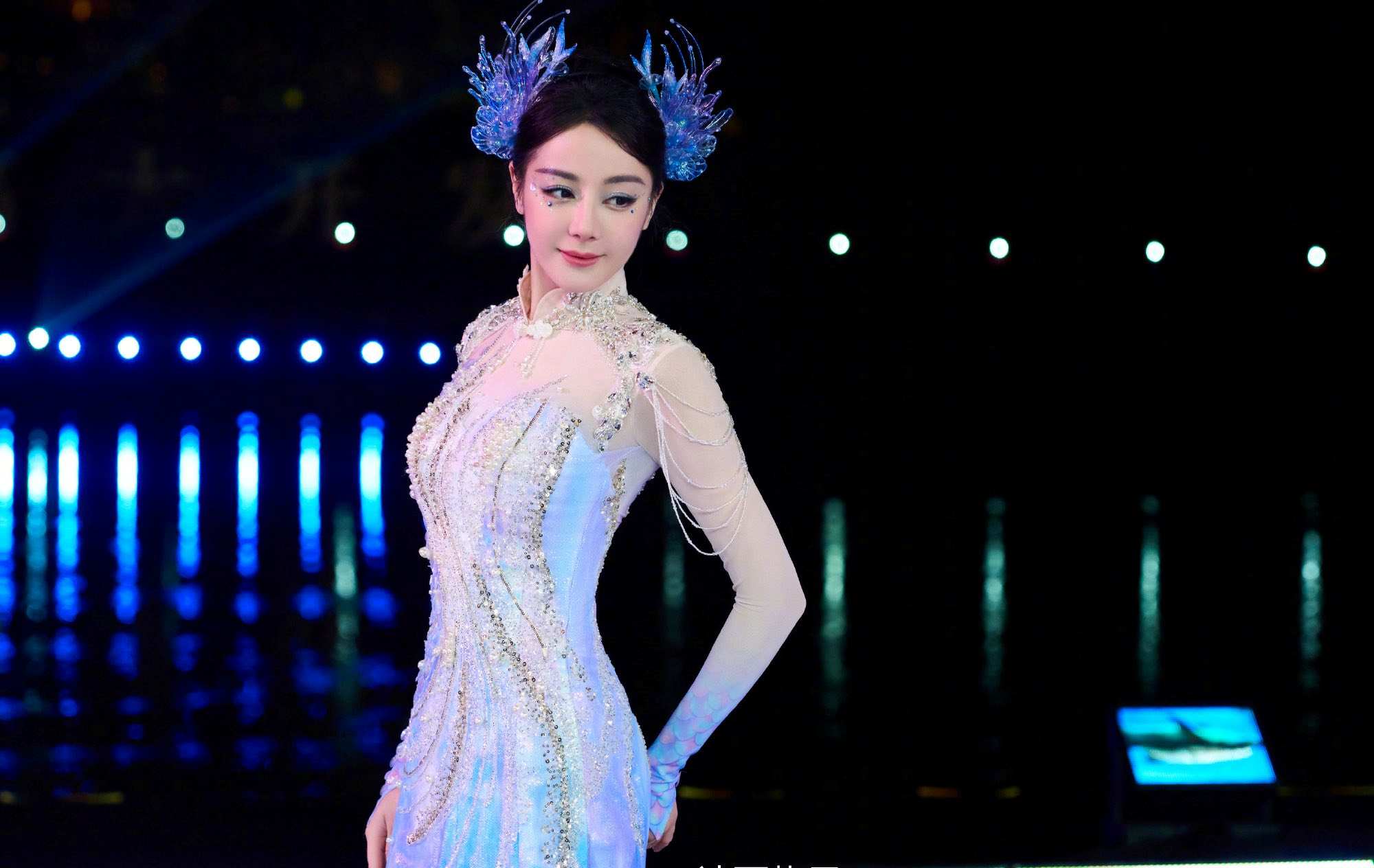
The court determined that the manufacturer is a professional unit, but used AI to create an identifiable image without the subject's permission.
Meanwhile, the broadcasting platform also does not fully fulfill its obligation to censor content before posting, although the identification of characters is very high, so it must be jointly responsible.
According to the ruling, the two related companies must publicly post an apology letter on the video distribution account, and compensate for economic damage to Dilraba Dilmurat. The parties did not appeal, and the first-instance judgment has officially taken effect.
Notably, the court emphasized that the core of image infringement does not lie in the similarity ratio or technology used, but in "recognizability". As long as the public can recognize images created by AI with a specific individual (for example, through facial features, characteristics...), then there is enough basis to be considered an infringement of image rights.
In the Dilraba Dilmurat case, company A claimed that the image was just a face resemblance, not a violation, but the court rejected it based on public identification criteria.
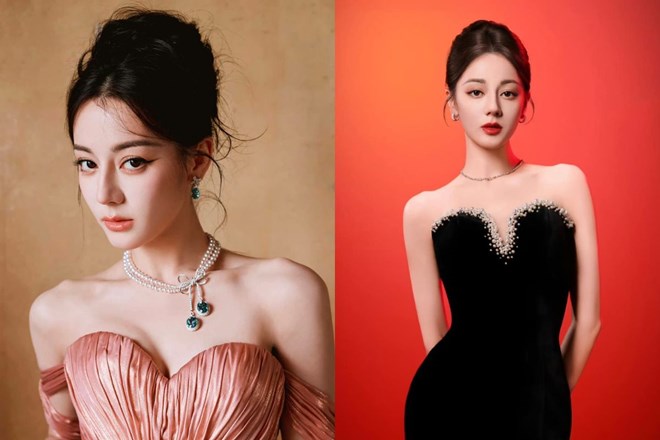
Short AI films on behalf of low-cost (1% - 10% real film) and fast production (5 days can make 80 episodes) have become a hot spot for violations. The new ruling affirms that the production side must have permission on image rights, cannot cite technological neutrality, the platform must censor AI content before release, not only handle it after violation.
In terms of society, the case also contributes to removing long-standing difficulties in the process of protecting image rights, especially the issue of proving and the low level of compensation. The establishment of joint responsibility of the platform is considered an important step forward, helping to reduce the burden on the violated person.
Reality shows that Dilraba Dilmurat is not an isolated case. In recent years, many other artists have also faced similar infringement cases. Yang Mi won a lawsuit against AI forging voice for commercial advertising, and Xiao Zhan was exploited by many short films for facial features to profit. Or in March 2026, Yang Zi discovered that her image was infringed by a short AI film on her behalf, raising concerns about technology abuse in the entertainment industry.


