
Collecting from the right people, the right authorities
The level of music copyright fees for many businesses is adjusted according to a new formula. This formula is specified in Appendix II issued with Decree 17/2023/ND-CP, amended and supplemented by Decree 134/2026/ND-CP.
Ms. Nguyen Thi Hoa, owner of a milk tea shop in Hanoi, said that what worries her the most is not the amount of money to pay but which unit to pay to, how to pay legally.
Someone called to request payment of fees but could not prove papers or representative status, so from then on I was very vigilant. If there are clear and transparent instructions, business people will also feel more secure," Ms. Hoa shared.
Many coffee shop and restaurant owners are concerned not only about costs but also about how to collect copyright fees, worried about arising incorrect, duplicate or dispute collections, so there needs to be a clear and regulated implementation mechanism.
Talking to a reporter of Lao Dong Newspaper, lawyer Hoang Ha (Ho Chi Minh City Bar Association) said that the biggest difficulty in collecting copyright fees is not whether it is collected or not, but the transparent collection method, the right subjects, the right rights, avoiding turning copyright obligations into unclear fees for hundreds of thousands of small businesses.
According to the lawyer, legally, collective representative organizations of copyright and related rights have the right to negotiate, license, collect and distribute copyright money within the scope authorized by the owner.
Decree 17/2023/ND-CP also requires collection to be linked to the list of members, works, audio recordings, video recordings, broadcast programs and authorization contracts;
Decree 134/2026/ND-CP is a document amending and supplementing these regulations.
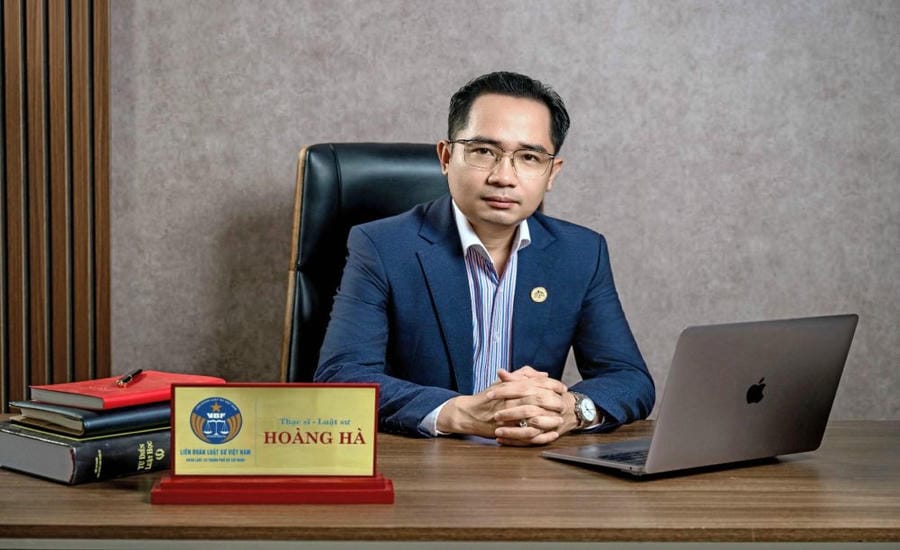
In fact, disputes are very likely to arise in 3 points: Whether the shop actually uses works belonging to the copyright warehouse of the collection organization or not; whether the collection organization legally represents the author and copyright owner or not; whether the collection level is in accordance with the collection level schedule, the correct area, business type and usage time or not," lawyer Hoang Ha analyzed.
According to lawyer Hoang Ha, if these 3 issues are not resolved, collecting copyright fees will be difficult to create consensus from business households, especially small-scale cafes and restaurants.
Need for transparency to limit disputes
To effectively implement the collection of copyright fees, lawyer Hoang Ha believes that a mechanism of publicity and digitization is needed instead of relying on the way of working directly with each business establishment.
To control well, there must be a "one-stop shop" mechanism, public and digitized. Collection organizations need to publicize the collection of works, authorization scope, fee schedules, contract forms, invoices and how to divide copyright money," the lawyer stated.
According to him, in addition to transparency from the collection organization, business owners also have the right to request the provision of complete legal documents before signing contracts or paying.
The documents that may be required include documents proving the legal status of the collection organization; power of attorney; authorization basis; list of works; scope and term of authorization; fee schedule, payment method; draft contract and invoices, related documents. "If the organization cannot prove its representative status and scope of authorization, the shop owner has the right not to pay immediately, request to work in writing to avoid mistaken payment, overdue payment or payment to people who do not have the right to collect," lawyer Hoang Ha emphasized.
According to lawyer Hoang Ha, Decree 17/2023/ND-CP requires collective representative organizations to publicly disclose information about authors, copyright owners, works, related rights objects, scope of authorization, contract validity, licensing activities, collection and distribution of copyright money.
To put policies into practice, it is necessary to continue to improve regulations in a more transparent direction. First of all, it is necessary to build a public, easy-to-search database on representative organizations, lists of authors, works, scope and term of authorization so that businesses can verify.
In addition, it is necessary to stipulate simple contract templates for small business households, clearly stating the right to license, term, scope of use, fee level, payment documents and complaint settlement focal points; and at the same time study the "one-stop shop" mechanism or packaged licenses for small coffee shops and restaurants to avoid many organizations collecting together.
State management agencies need to supervise the collection and distribution of copyright money and strictly handle acts of collecting incorrectly, collecting duplicately or impersonating rights representatives," lawyer Hoang Ha emphasized.
According to Decree 134/2026/ND-CP (amendment of Decree 17/2023/ND-CP), Article 33 stipulates the formula for calculating annual copyright fees for music-using businesses: Copyright fee/year = Base salary level x Adjustment coefficient.
From July 1, 2026, the base salary according to Decree 161/2026/ND-CP is 2,530,000 VND/month.
The adjustment coefficient is determined according to the usable area of the shop, including 3 levels:
Area 15m2: coefficient 0.35/15m2/year.
From over 15m2 to 50m2: Each m2 increases by 0.04/m2/year.
Over 50m2: each m2 increases by 0.02/m2/year.
The maximum ceiling is 8 times the base salary/year.
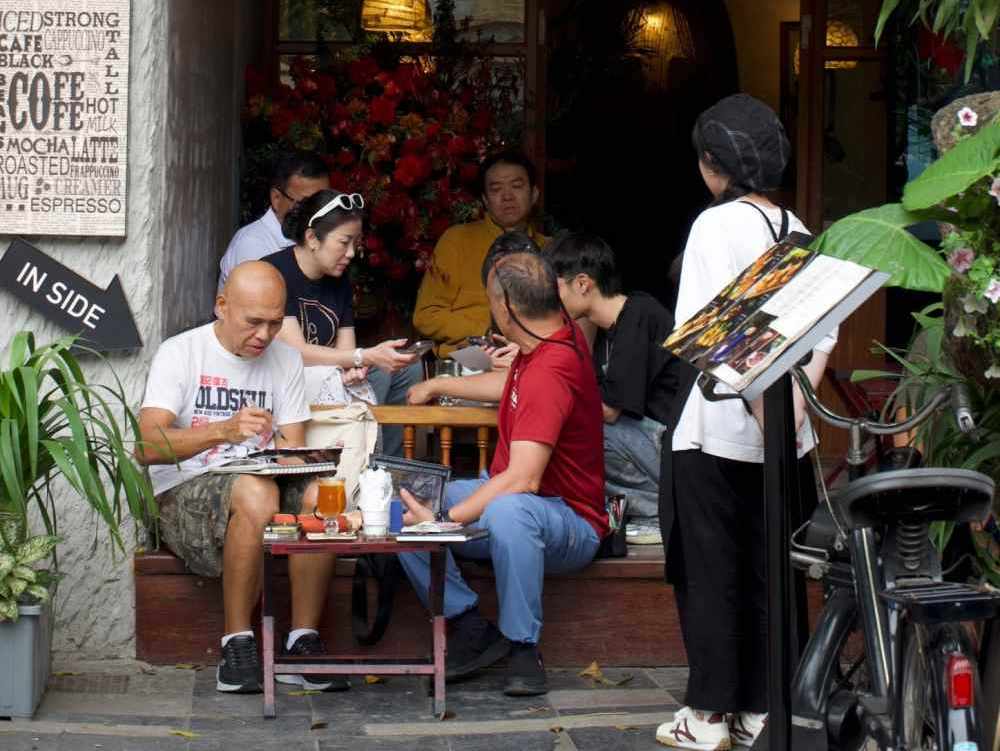
In addition, the copyright fee is also adjusted according to urban classification: Hanoi, Ho Chi Minh City apply the price frame; type I urban area applies 80%; type II 50%; type III 20%; remote and isolated areas 10%.
Thus, with the same area of 40m2, the copyright fee may vary depending on the area.


