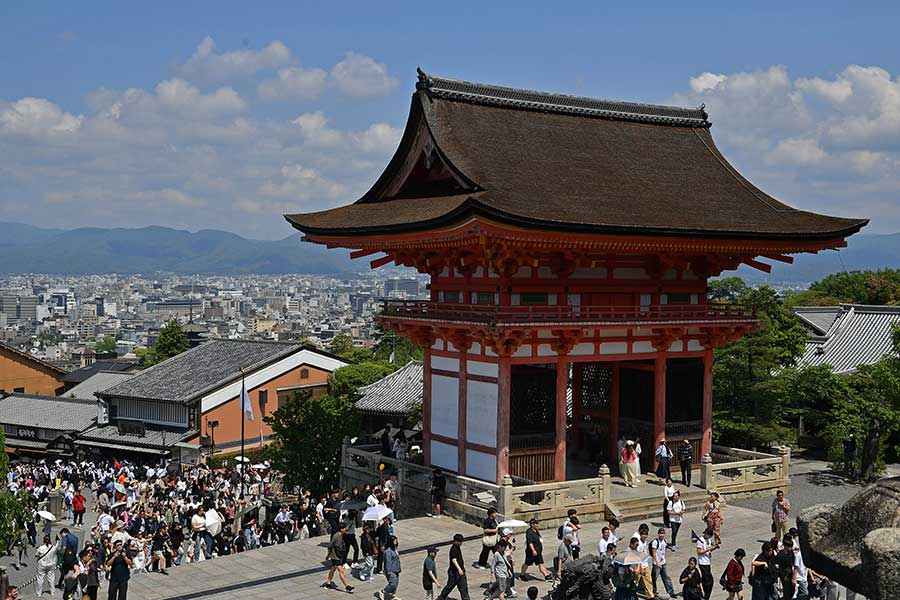
Located on the slopes of Otowa Mountain in eastern Kyoto, Kiyomizu-dera (Thanh Thuy Tu) is one of the most famous and beloved temples in Japan. The temple was founded in 778, even before Kyoto became the capital of the country. After many fires, most of the current structures were rebuilt in 1633 under the Tokugawa shogunate.
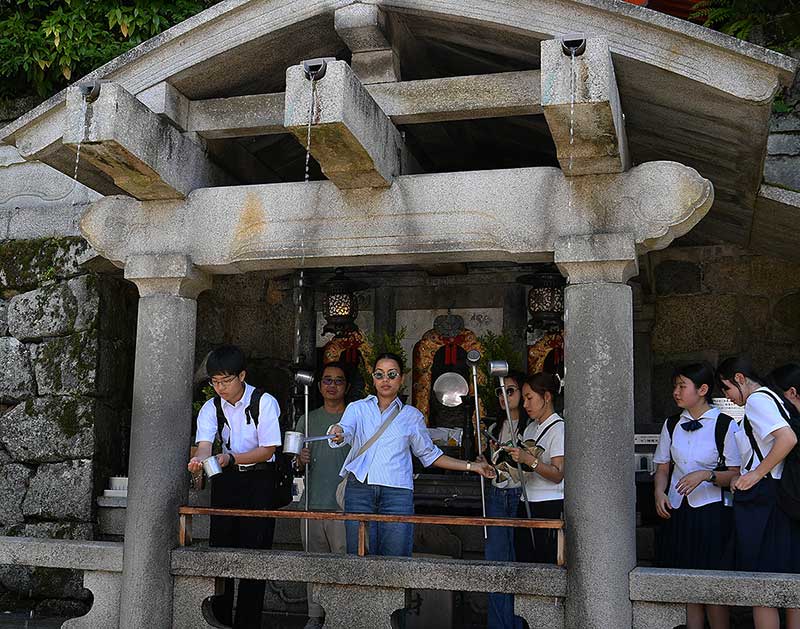
The name "Kiyomizu" means "pure water flow", originating from Otowa waterfall flowing right below the main hall. This water flow is considered sacred, attracting millions of tourists and Buddhists to pray every year. It is believed that each water flow carries a different wish: health, love and success. Local people often note that tourists should only drink one or a maximum of two out of three streams. If you are greedy to drink all three streams, the prayer will lose its effectiveness.
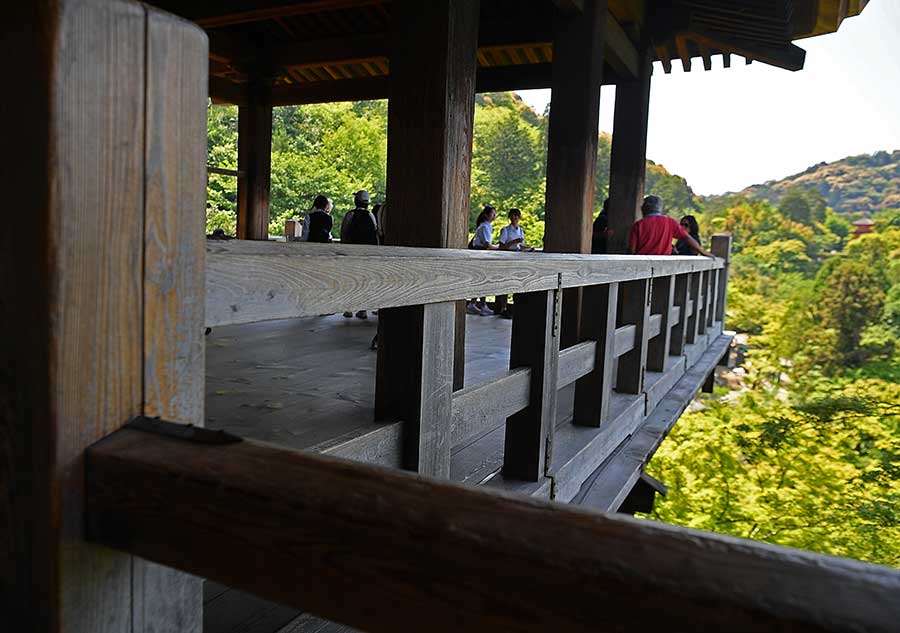
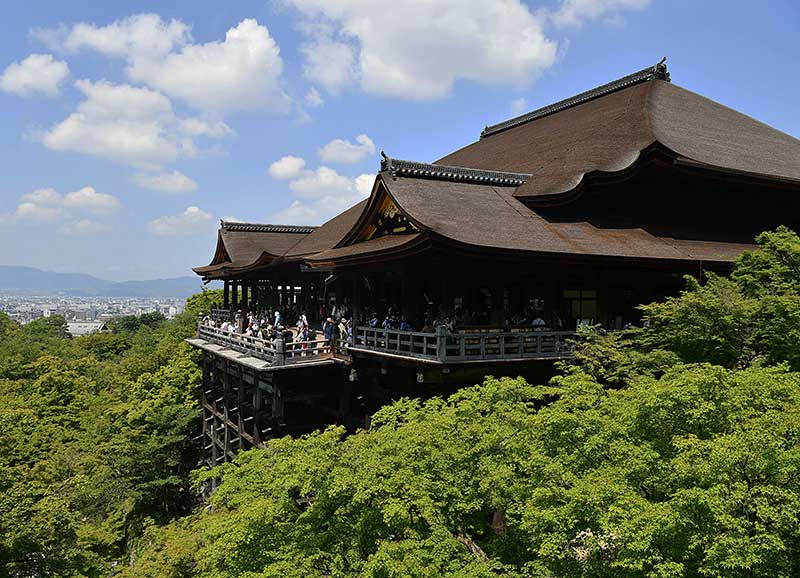
The most prominent feature of the pagoda is the Kiyomizu wooden balcony protruding from the mountainside, supported by hundreds of large wooden pillars. The building is famous for its sophisticated traditional construction techniques, almost without using metal nails. From here, visitors can take a panoramic view of Kyoto, especially spectacular during the cherry blossom season and the red leaf season.
In 1994, Kiyomizu-dera was recognized by UNESCO as part of the "Historical Relic of the Ancient Capital of Kyoto" complex, becoming a cultural symbol not only of Kyoto but also of Japan.
In the midst of modern life, Thanh Thuy Pagoda still retains the tranquility of more than twelve centuries of history. It is not only a unique architectural work, but also a place where people find peace when standing amidst the murmuring sound of Otowa water and the poetic scenery of Kyoto. This is also a destination that Vietnamese people when traveling to Kyoto cannot miss.
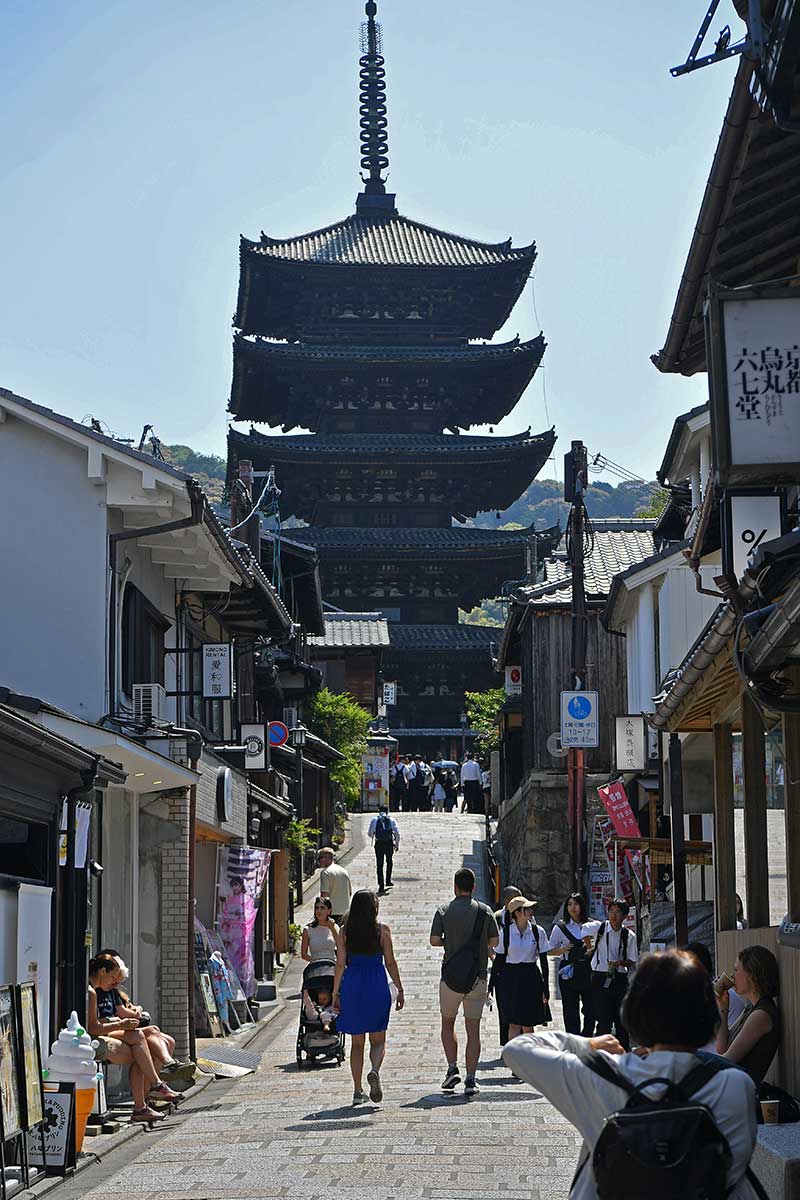
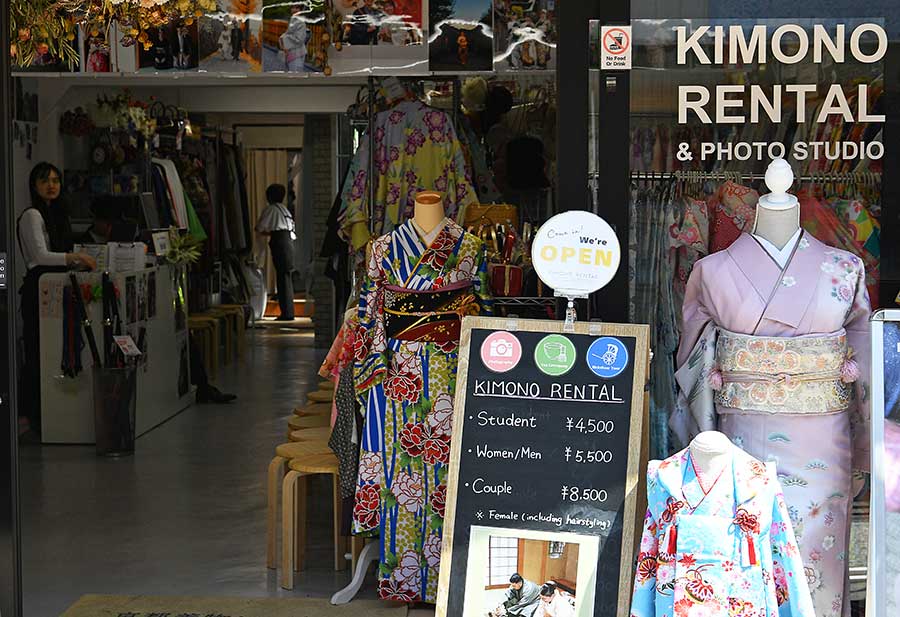
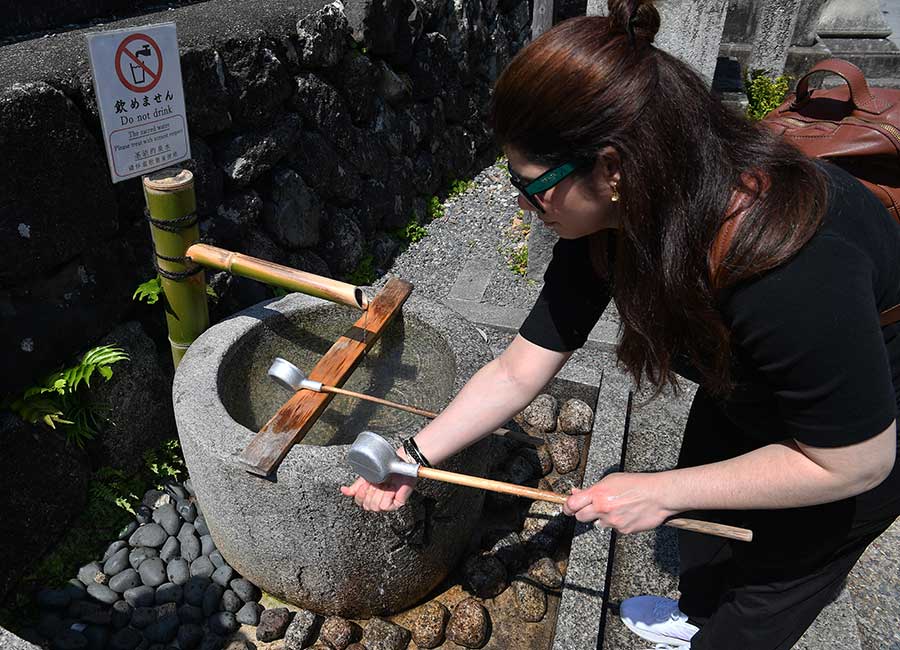
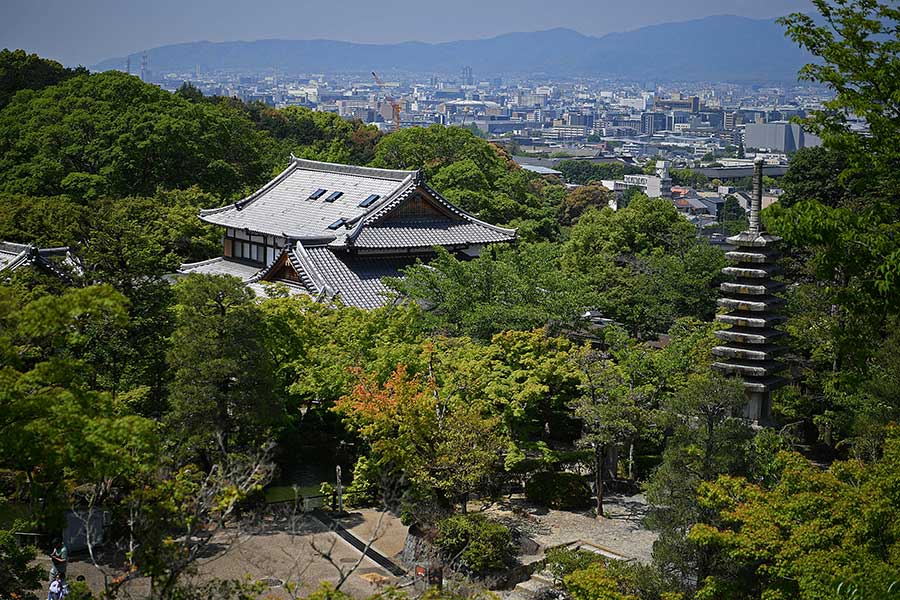
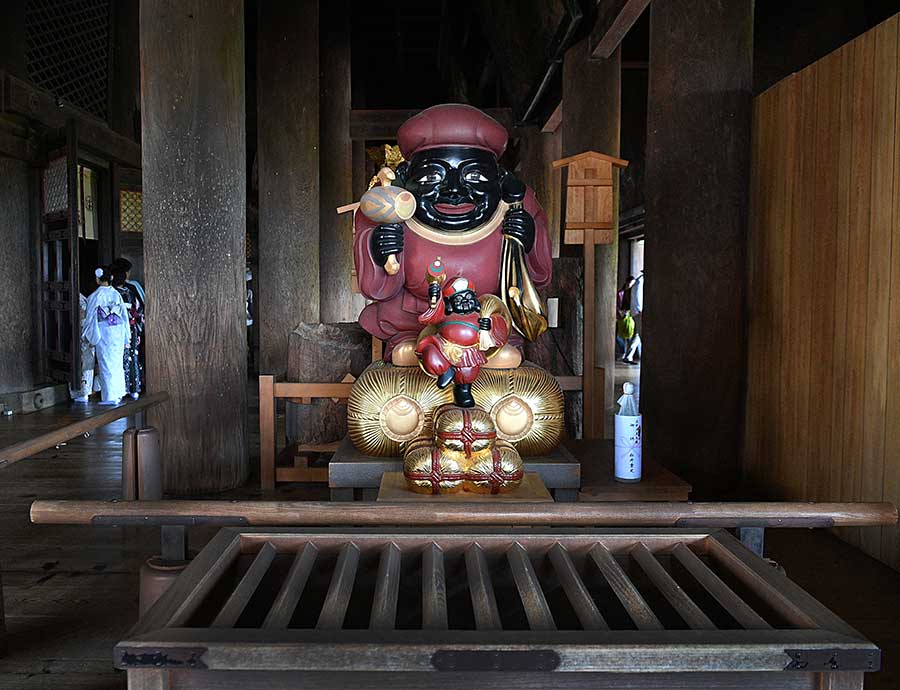
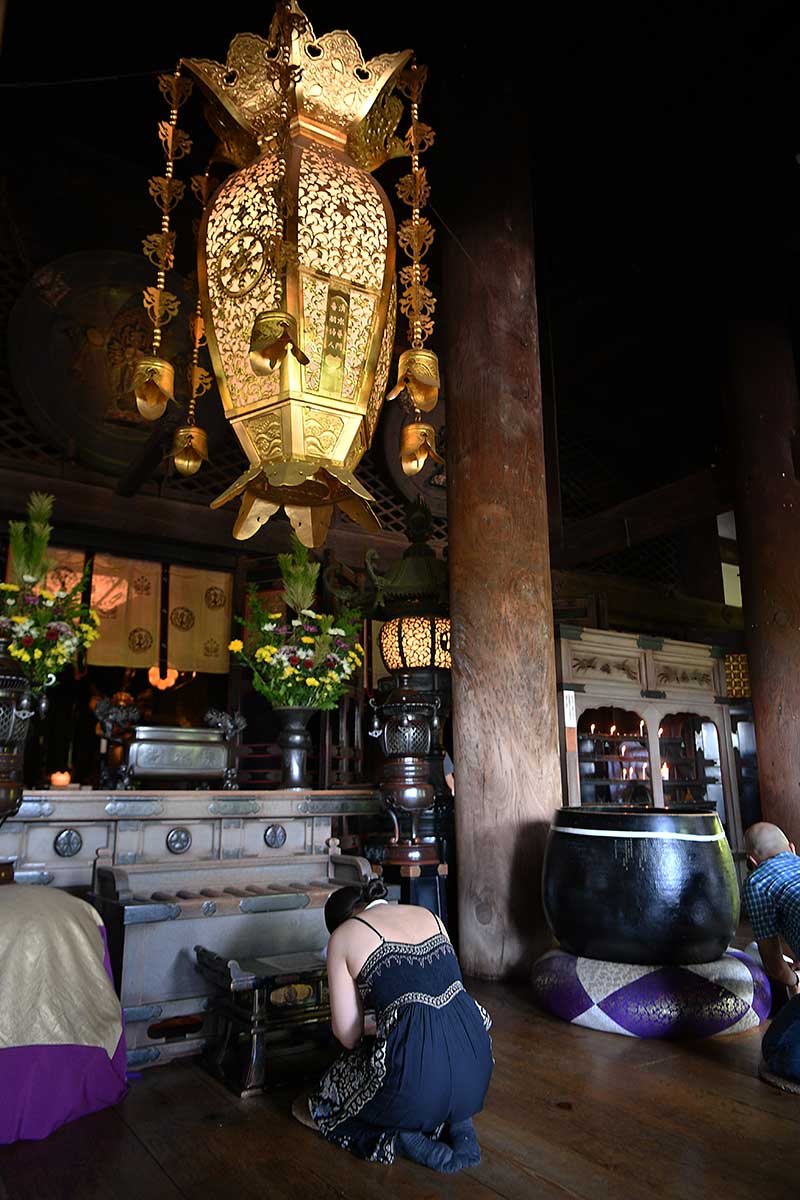
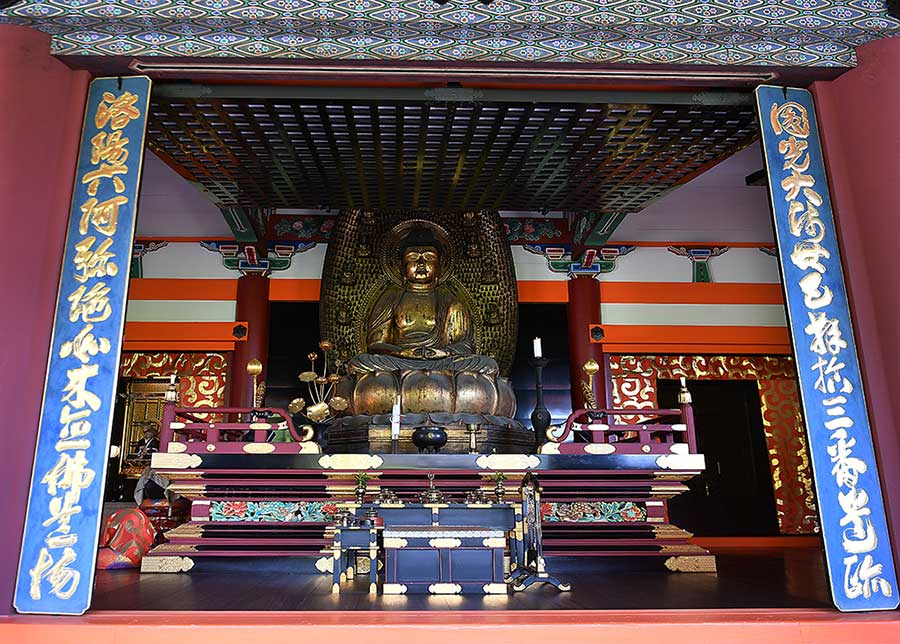
Among the ancient wooden roofs of Higashiyama, the steep stone road leads visitors back in time to old Kyoto. At the end of the street is the five-story Yasaka tower standing tall, a symbol that has existed for centuries in the heart of the ancient capital.The colorful kimonos on Higashiyama street are not only a service for tourists but also a part of the Kyoto cultural experience.Before entering the sacred space, visitors perform a cleansing ritual at the temizuya bathtub. Washing hands and rinsing their mouths symbolizes the erasure of mortal dust, preparing a spirit of reverence before praying.Standing on the hillside of Higashiyama, the Red Gate of the West Gate stands out in the red sky of Kyoto. From here, the ancients once watched the sunset in the west as a symbol of the journey towards the Pure Land in Japanese Buddhist beliefs.Amidst a sea of green trees and ancient pagodas, Kyoto appears peaceful like a painting preserved for centuries.Wooden balcony stained with time of Thanh Thuy Pagoda. The project is supported by a giant wooden column system, built entirely with traditional techniques without almost using metal nails.Daikokuten, the god of fortune, harvests and prosperity in Japanese beliefs – is worshiped inside the campus of Thanh Thuy Pagoda.The gentle light from the bronze lanterns and incense spread, creating a solemn atmosphere in the main hall.The majestic Buddha statue sits on the lotus tower, standing out amidst the brilliant colors of traditional Japanese architecture. Over the centuries, this place has remained a spiritual support for those who come to pray and contemplate peace.Standing from the opposite side looking over, Thanh Thuy Pagoda seems to be suspended on the green layers of trees. Many seasons of red leaves and young leaves have passed, old wooden pillars still silently support the pagoda.These three streams are considered sacred, attracting millions of tourists and Buddhists to pray each year.
In addition to the results of the 10th grade entrance exam, many non-public high schools in Hanoi use transcripts as a basis for admissions in the 2026 - 2027 school year.
At the age of over 70, journalist Tran Mai Huong still clearly remembers the marching routes of that year, the fallen colleagues and the pressure of the writer in the battlefield.
HUE - The first resettlement area in Hue City has completed infrastructure, ready to serve site clearance for the North-South high-speed railway project.
The Organizing Committee of FotoZofio (Japan) on January 28 announced the results of the public selection for the 2026 exhibition.
Vui lòng cho phép quảng cáo xuất hiện
Advertising revenue supports our journalism and helps keep our content free for everyone. Please consider disabling your ad blocker to support our work.
Hướng dẫn tắt chặn quảng cáo
Thực hiện theo các bước sau để tắt tiện ích chặn quảng cáo
1Nhấn vào biểu tượng tiện ích trên thanh trình duyệt (góc trên bên phải)