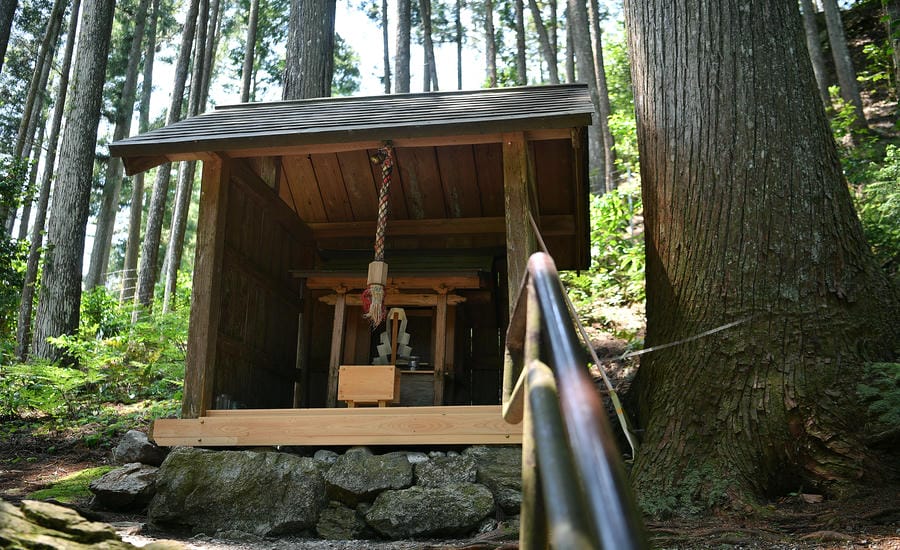
Located in the middle of the green mountains of Kyoto Prefecture, this small village is famous for its traditional kayabuki thatched houses that have existed for hundreds of years, and are still preserved and lived in by its people to this day.
The houses here are built in the Kitayama-style style typical of the northern mountains of Kyoto: The facade is facing south, parallel to the Yura River; the thatched roof is about 40cm thick, steep so that winter snow can easily slide down; above the top of the roof are crossed wooden bars (chigi) to block storms.
In 1993, thanks to preserving the traditional complex structure and agricultural and forestry lifestyle from hundreds of years ago, Miyama Kayabuki no Sato was recognized by the Japanese Government as an important traditional architectural complex conservation area.
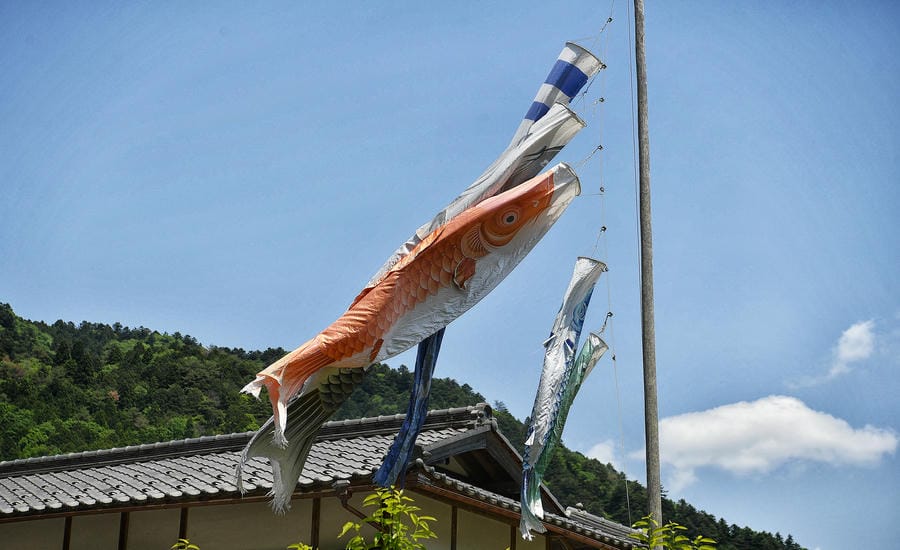
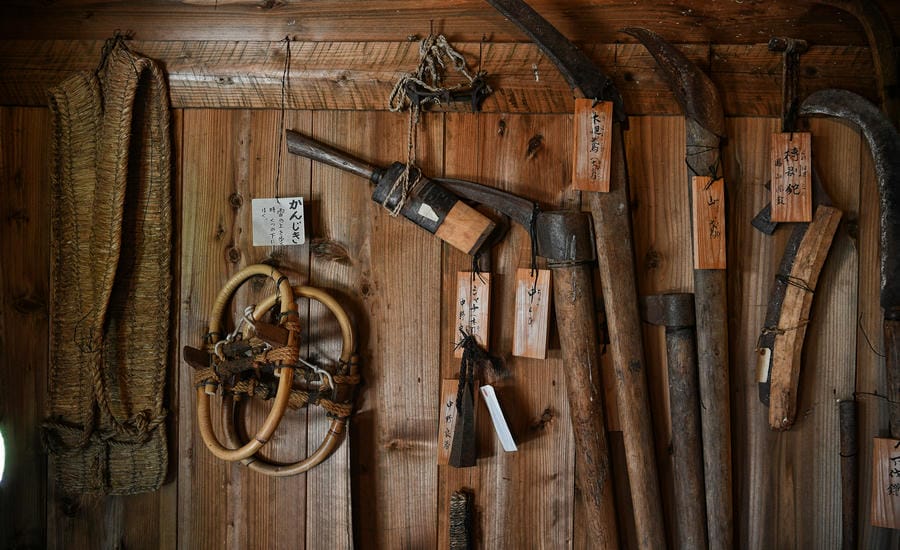
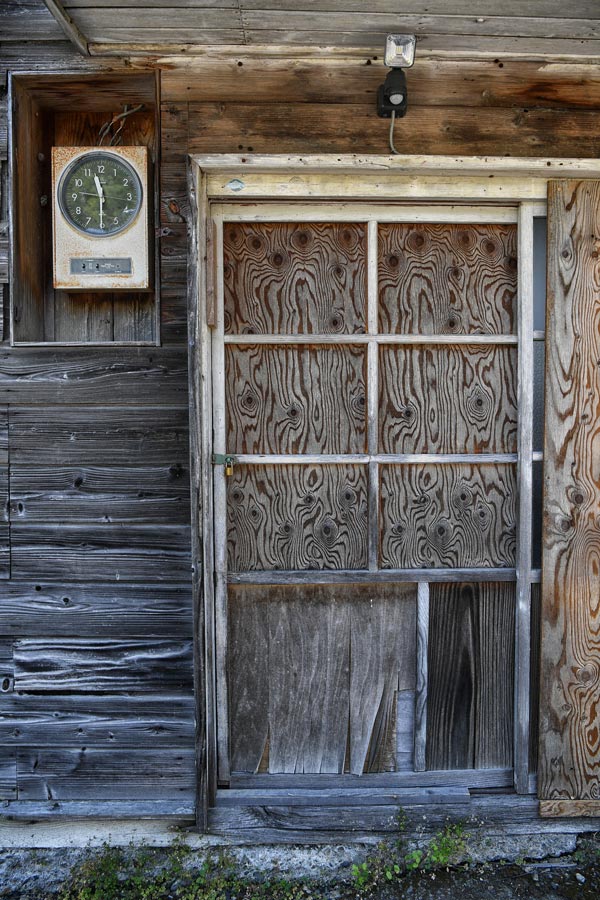
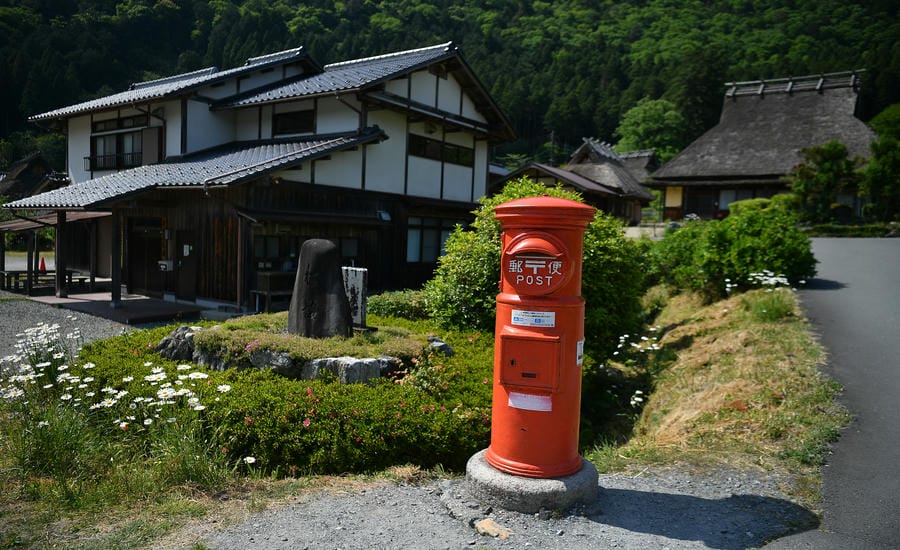
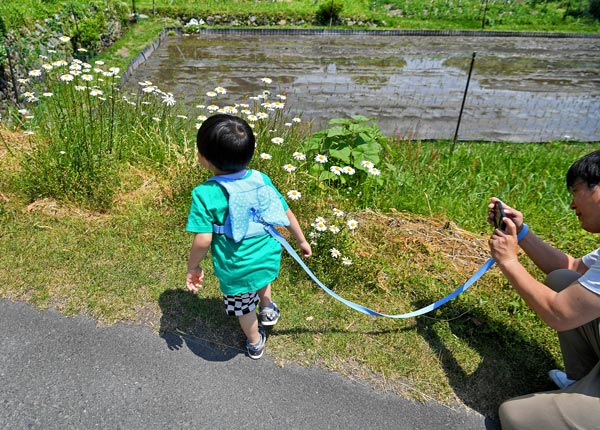
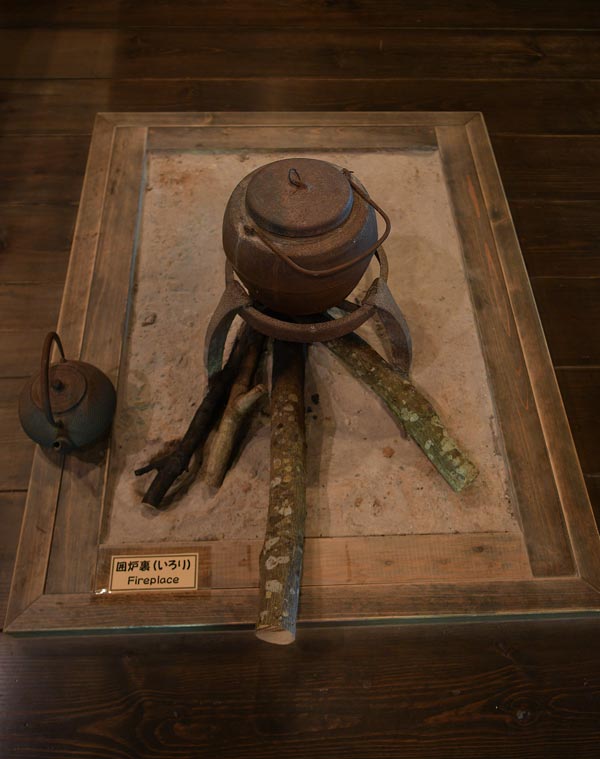
Unlike many restored tourist attractions, Miyama is a living community, where the breath of the past still blends into the rhythm of daily life. In the morning, kitchen smoke still gently rises from the dark brown roofs; the small gardens are carefully cared for; the sound of birds and the wind blowing through the snow pine forest create a rare peaceful atmosphere.
Walking on the small roads of the village, visitors feel like they are stepping into an ancient Japanese movie, where time seems to flow slower.
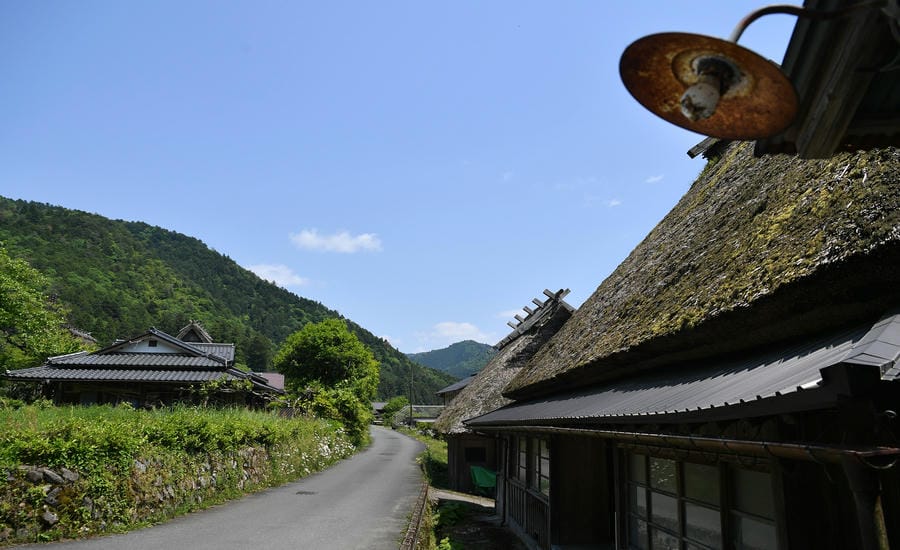
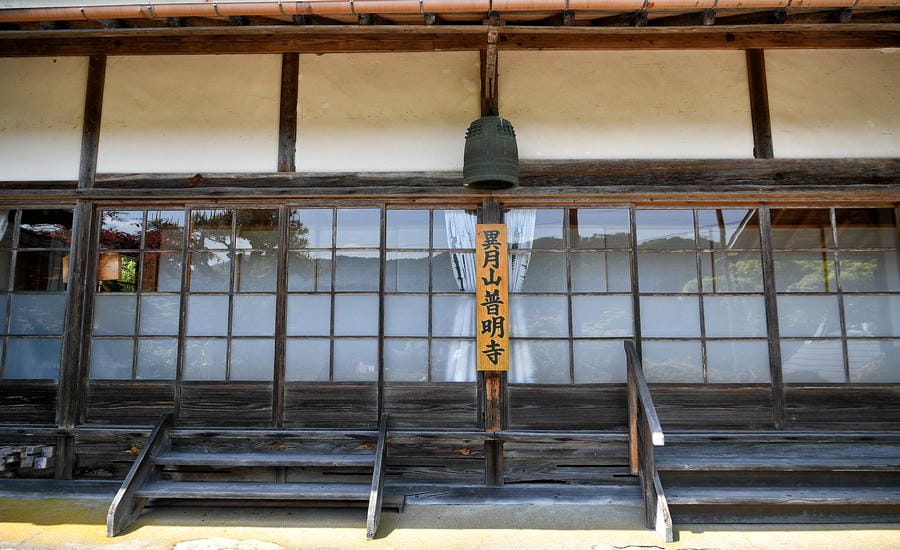
Miyama's most special feature is the Kayabuki no Sato area with nearly 40 traditional thatched houses preserved intact. The thick roofs, covered with thatch grass according to traditional techniques, are not only unique architectural features but also reflect the harmonious lifestyle with nature of the Japanese from centuries ago.
Each season of the year, the village puts on a different beauty: the gentle green of summer, the brilliant red and yellow of autumn, or the scene of white snow covering the roofs in winter.
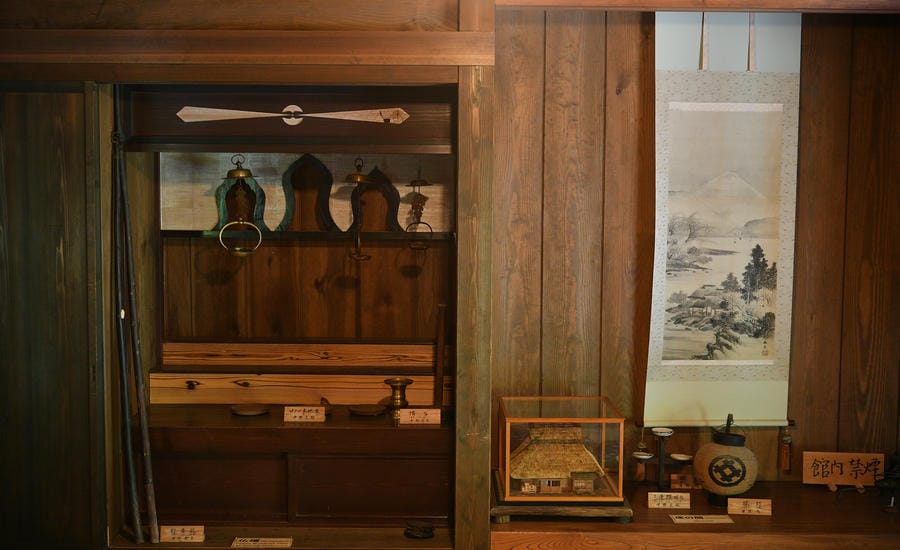
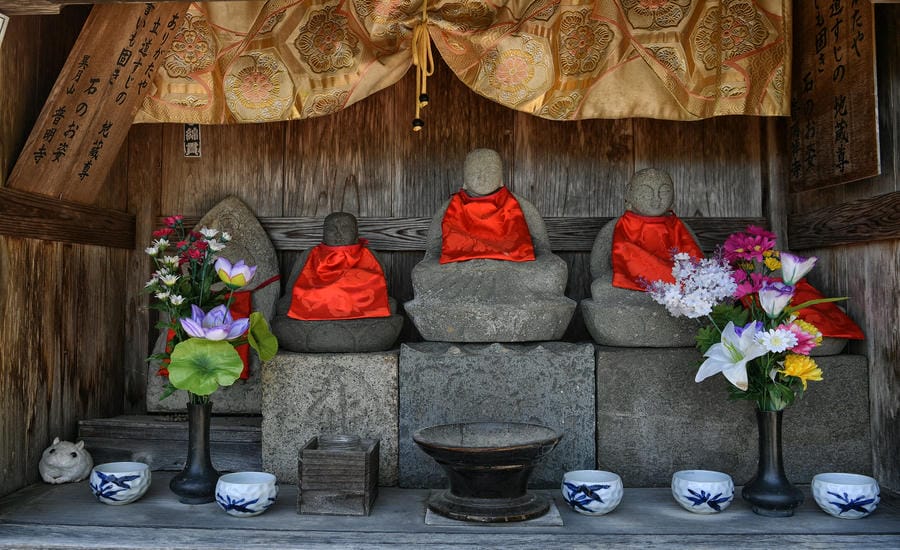
In the increasingly bustling modern pace of life, Miyama Kayabuki no Sato is not only a tourist destination but also a place for people to stop, listen to the silence and feel a traditional Japan that is still present in the digital age.