
On January 13, in Hanoi, the University of Social Sciences and Humanities (Vietnam National University, Hanoi), the Hanoi Historical Science Association in coordination with the Management Board of Hoa Lam Vien relic (Dong Anh commune, Hanoi City) organized a seminar "Hoa Lam Vien - Ly Dynasty Dynasty Dynasty Dynasty: Heritage Values and Orientation in the Development of Cultural Industry Today" which was organized with many important academic and practical contents.
Located in Dong Anh district (Hanoi), Hoa Lam Vien is considered a land associated with the origins of the Ly Dynasty, the homeland of King Ly Thai To's father. Under the Ly Dynasty, this was one of the most important palaces outside the Thang Long capital, with special political, spiritual significance and symbolizing royal power.
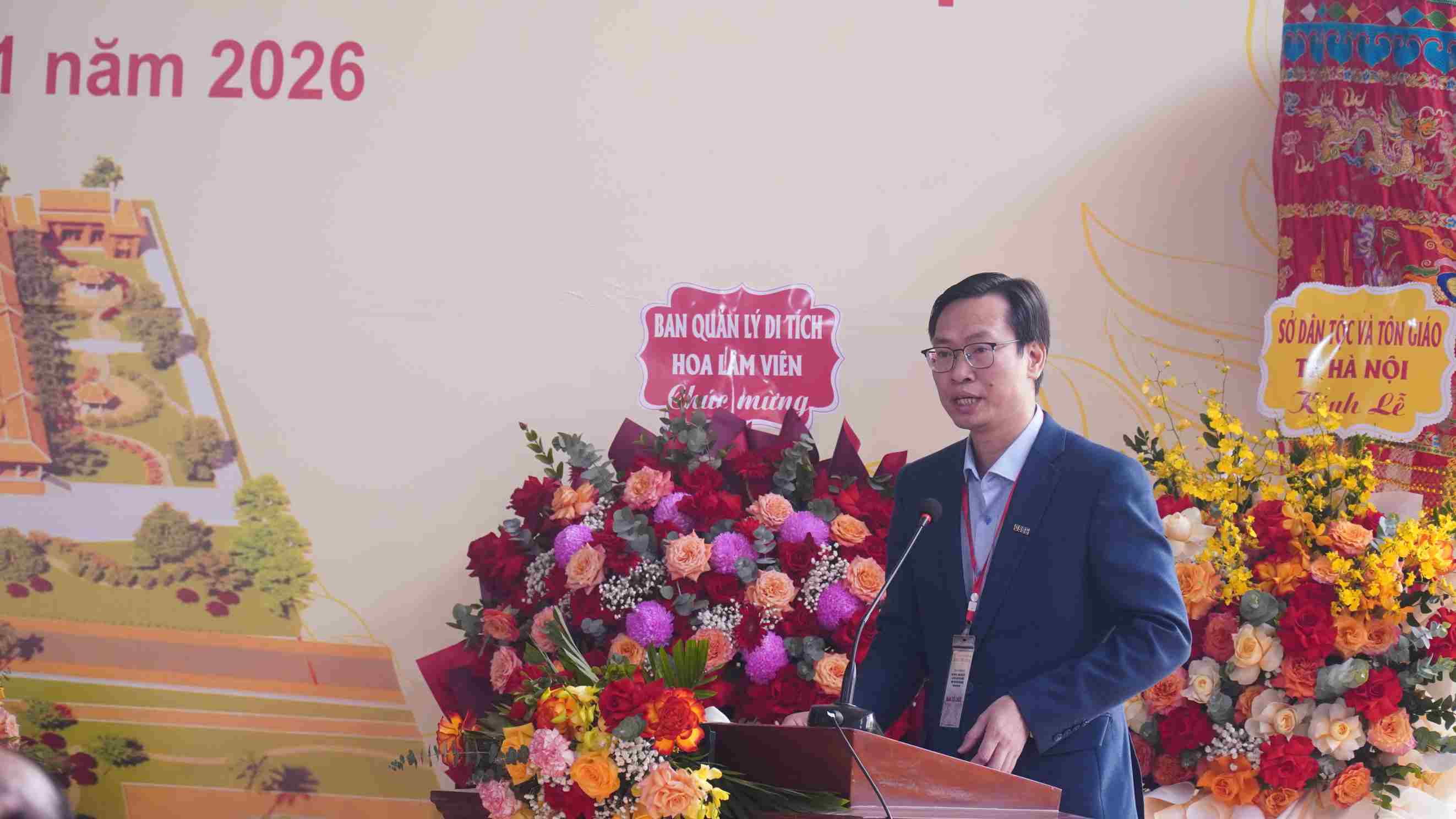
Speaking at the opening of the seminar, Assoc. Prof. Dr. Dang Hong Son - Vice Rector of the University of Social Sciences and Humanities (VNU-HN) said that Hoa Lam Vien Imperial Palace is not only a place where kings and lords stop but also symbolizes the connection between royal power and divine power, between the court and the village community.
According to him, today's responsibility is to breathe new life into the heritage, so that Hoa Lam Vien becomes a source of creative inspiration, tourism products and the pride of the people of Dong Anh, in accordance with the spirit of developing the current cultural industry.
Researchers believe that Hoa Lam Vien is not only a place for the king to rest and rest during his tours, but also reflects the aspiration to build an independent and self-reliant nation in the early stages of the Vietnamese feudal state.
Although no longer intact, Hoa Lam Vien still preserves many valuable traces such as the Temple of the Soul, Hung Cong's Tomb, stone artifacts, pillars of scriptures, and tiles carved with typical Ly Dynasty patterns. These are valuable documents contributing to determining the location, scale, and role of the imperial palace in the Ly Dynasty relic system.
At the seminar, many opinions emphasized the need to approach Hoa Lam Vien from an overall perspective, placing the relic in a relationship with the cultural axis of the Red River, Co Loa and Thang Long Imperial Citadel to further clarify the historical and cultural values of this area.
The seminar sets out the goal of fully identifying the historical and archaeological values of Hoa Lam Vien; clarifying the relationship between the relic and the Ly Dynasty homeland and the Thang Long cultural space; and at the same time proposing conservation solutions associated with the development of the cultural industry.
According to experts, Hoa Lam Vien has the potential to become a highlight in the Northern Hanoi heritage chain, contributing to unlocking cultural resources, turning heritage into assets serving socio-economic development, in line with the orientation of Resolution 09 of the Hanoi City Party Committee on developing the cultural industry.
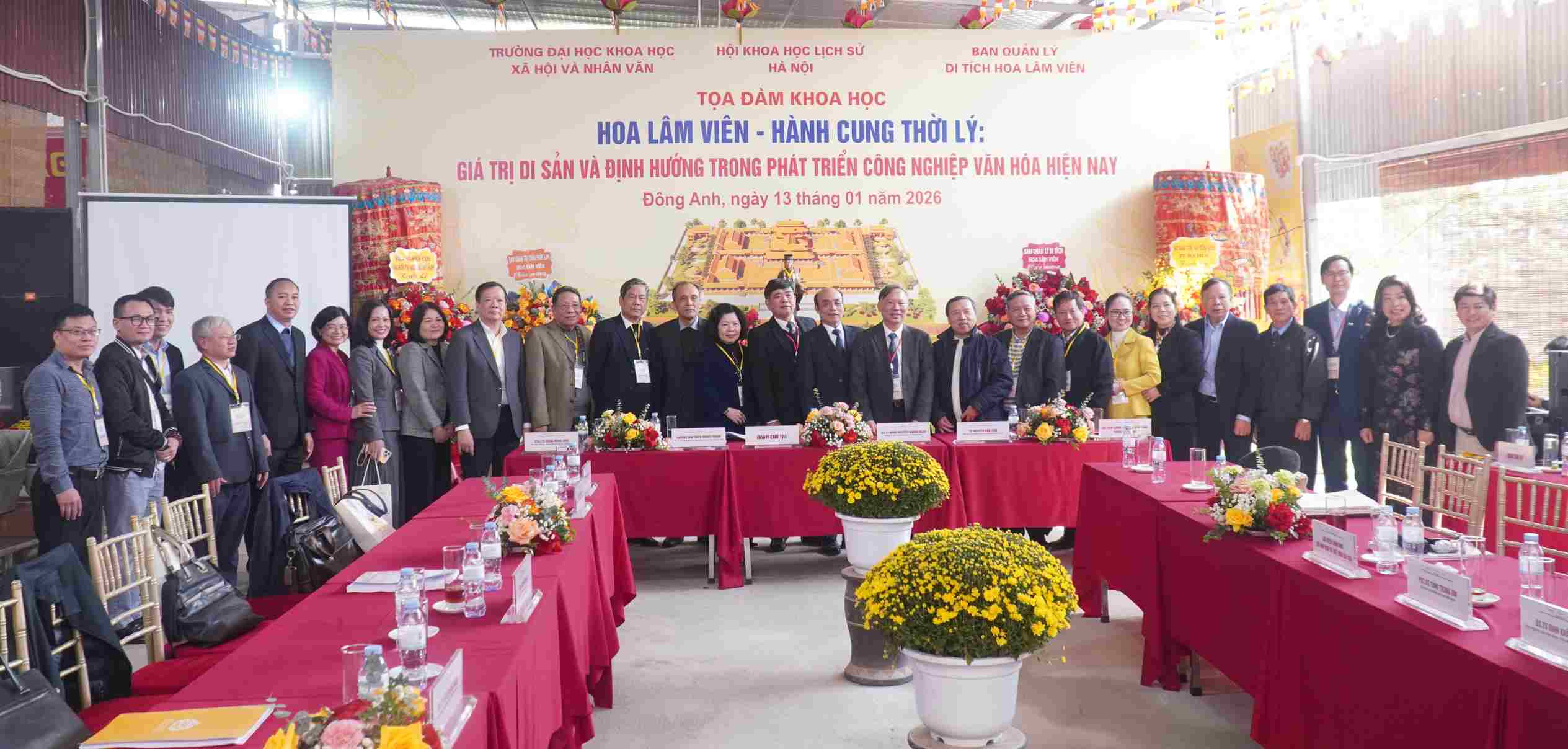
From an ancient palace of the Ly Dynasty, Hoa Lam Vien is facing the opportunity to be "awakened", becoming a living cultural space, both preserving historical memories and harmonizing with the development of the Capital in the new era.


