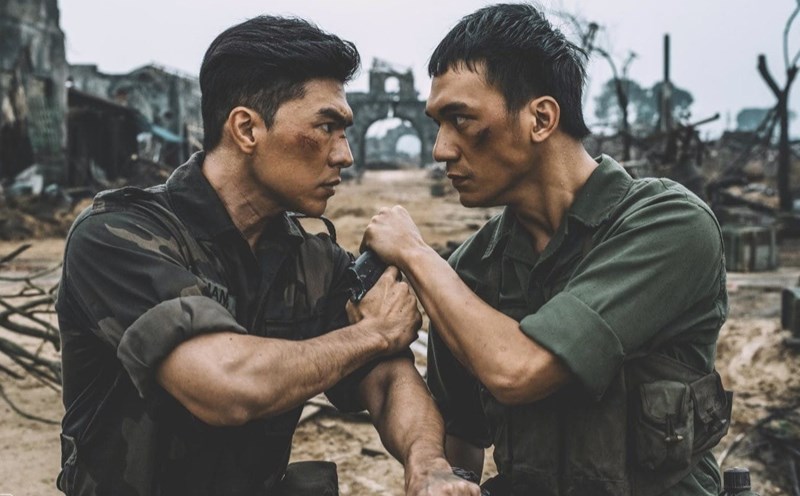
My Wedding" - when AI singer praised for emotional singing
The Vietnamese music market is experiencing an unprecedented turning point, when AI-singed songs such as "My Wedding", "50 Years Later", "Fireworks Fade Quickly", "Let Go of My Hand" continuously achieve a lot of listens and shares on platforms.
The song "My Wedding" composed by Trong Nhan created a big fever in V-pop at the beginning of 2026, highlighted by the voice of AI Tieu My performing, rising to Top 1 of Music Trends and dominating charts like Zingchart.
The song was successful thanks to its sad melody, viral line "Two years of stubbornly a nameless love...", marking a major step forward for AI Music.
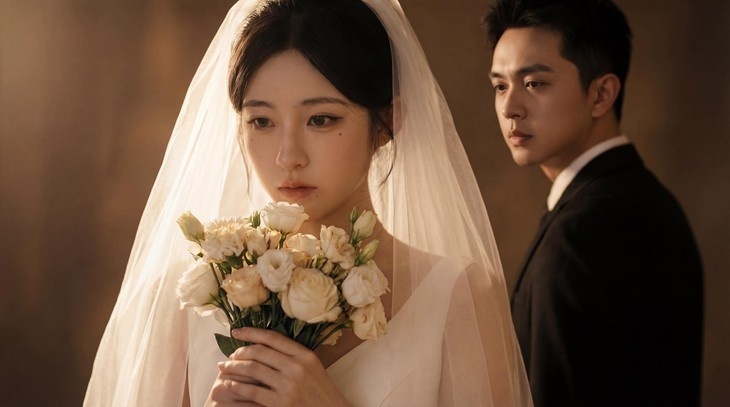
On YouTube, the song reached nearly 5 million listens, while Spotify recorded more than 1.5 million streams.
The song "50 years later" - Chinese music with Vietnamese lyrics rewritten by Dang Thanh Tuyen - exploded at the beginning of 2026, rising to the top 3 of the SocialTrend chart in the period March 03-16, 2026, recording more than 16.6 thousand discussions.
On TikTok, versions performed by AI singers have turned songs into trendy music, attracting millions of views through remixes and lo-fi, strongly covering videos with emotional and nostalgic themes.
The heat of the song increased even more when many famous artists, especially Tung Duong, Anh Tu "Voi Ban Don", Quoc Thien... participated in covering (re-singing).
Singing contest between famous singers and AI
The fever from the songs "My Wedding" or "50 Years Later" performed by AI singers has caused many Vietnamese singers to follow the trend, covering songs by "virtual singers".
But an unprecedented adversity has occurred, on many forums, even talented voices like Anh Tu "Voi Ban Don", Quoc Thien were also commented by the audience as not as good as the AI version.
To the point that singer Tung Duong had to call on everyone to stop comparing the voices of real singers and AI singers.
The owner of the hit "Rebirth" said: "AI can be perfect. It is not off-key, not out of breath, not off-beat. It processes sound like a problem: clean, accurate, perfect in pitch, duration and no errors. But music has never been a problem!
A real voice, it can be trembling. It can be broken. There can be moments that are not perfect. But it is these "imperfections" that are where emotions reside.
According to singer Tung Duong, artists put into each line of the song what they have lived, have gone through, have been hurt, have loved... A human line of the song may not be 100% accurate, but it can truthfully reflect real life: memories, pain, joy, sadness, joy, anger, love, and hate.
With AI, even if filtered from millions of data, it is still just a simulation of emotions, not experiencing emotions.
Therefore, professionals often use AI voices as demo versions to easily visualize a new song.
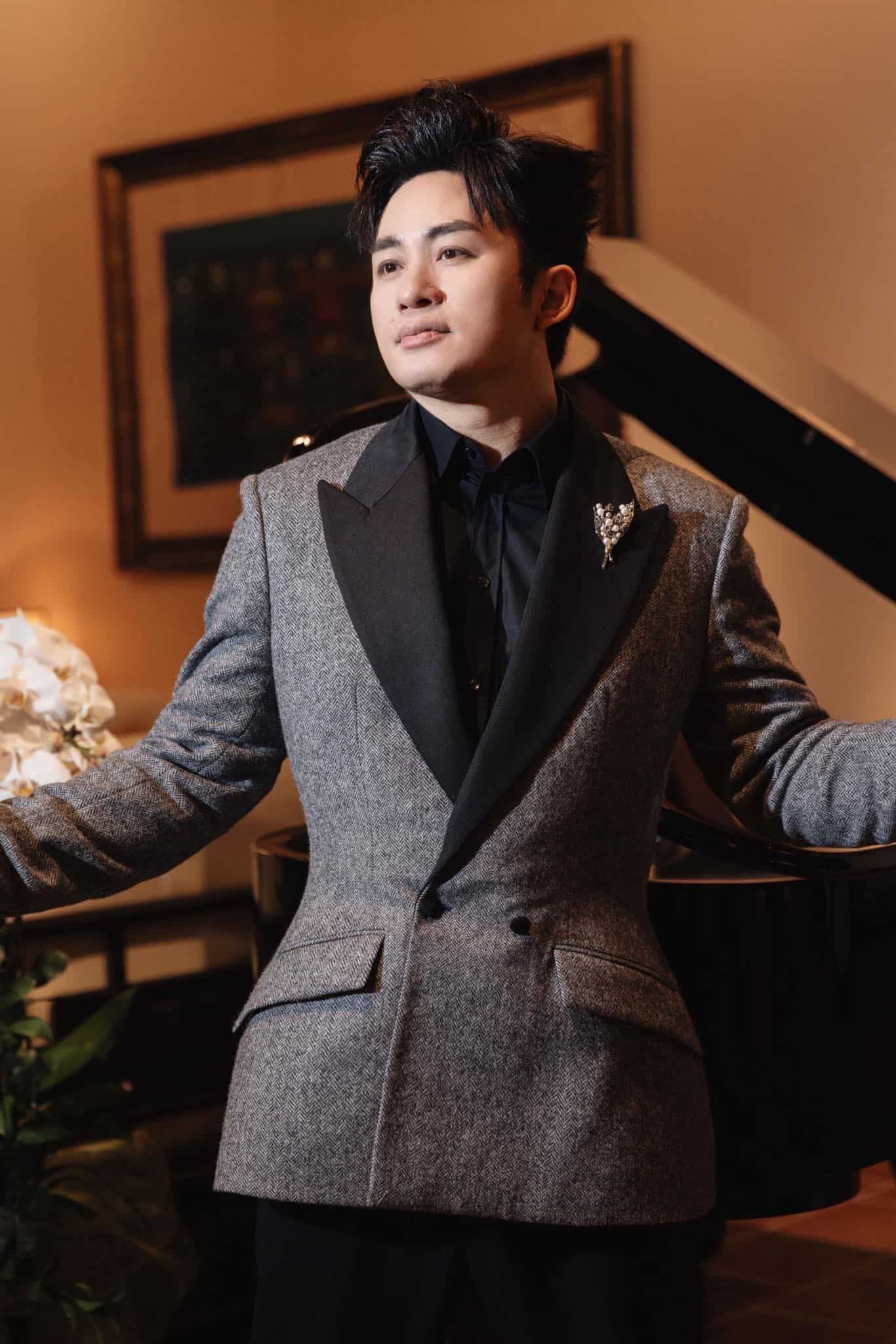
It can be seen that AI is increasingly penetrating deeply into the Vietnamese music market, in every stage.
The level of acceptance of listeners for music products with AI elements is also clearly increasing.
On platforms like TikTok or YouTube, many songs using AI vocals or AI arrangements reach millions to tens of millions of views in a short time.
In Vietnam alone, AI-applied music regularly appears in the trending charts, contributing tens of thousands of discussions on charts such as SocialTrend.
However, this explosion also creates unprecedented competitive pressure.
If before an artist released a few products each year, then with AI, thousands of new songs can appear every day on digital platforms.
AI singers" or AI-applied music products can operate with almost unlimited productivity - releasing many versions, many different styles in a short time.
Meanwhile, a traditional artist usually takes weeks to months to complete a product. This difference makes the pressure to maintain presence more obvious than ever: if they do not continuously launch products or create a strong enough "touch point", artists are very easily replaced by new content that appears continuously.