
From the wife's feelings to the music that makes up Vong Co
On the full moon night of August 1919, in Vinh Huong village, Thanh Hoa canton, Bac Lieu province, now belonging to Bac Lieu ward, Ca Mau province, musician Cao Van Lau's "Da co hoai lang" first resounded. From a composition carrying personal feelings, the piece gradually transcended the space of a separation to become an important part of Southern music life.
On September 22, 2026, Ca Mau organized a celebration of Vietnamese Theater Day, and also celebrated the 107th anniversary of the birth of "Da co hoai lang" - a work considered the predecessor of today's vọng cổ. 1919 is a milestone recognized by many cultural documents about the birth of the work.
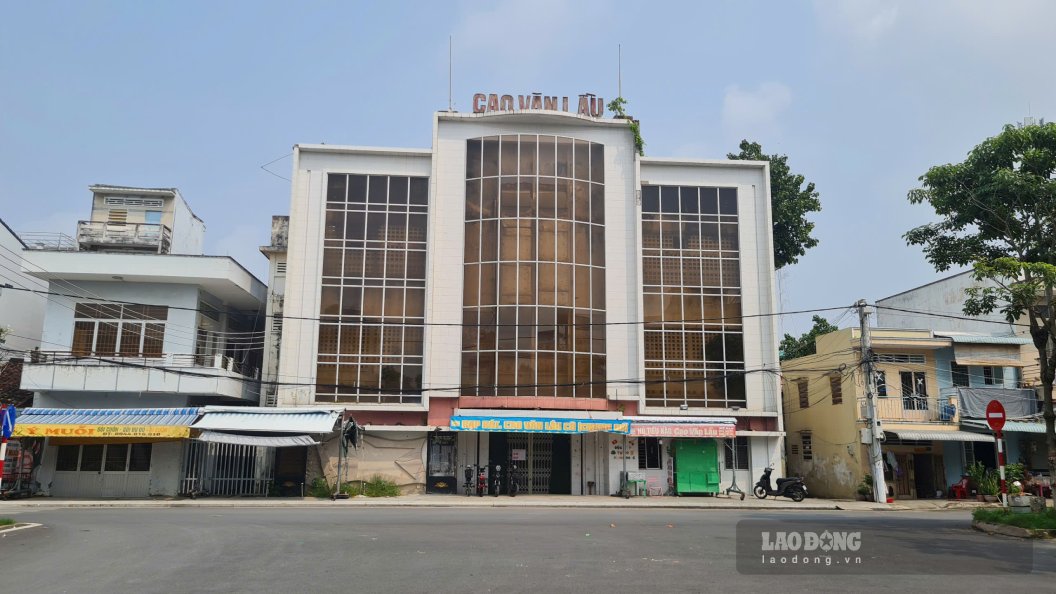
Cao Van Lau, commonly known as Sau Lau, was born on December 22, 1892 in Long An. When he was young, he followed his family to Bac Lieu to live. Here, he studied classical music with music master Le Tai Khi, gradually forming talent and becoming a famous artisan of the Southern region.
Da co hoai lang" consists of 20 sentences, rhythm 2, expressing the mood of a wife missing her husband, waiting for her husband. It is the closeness to life that has created a special touch for the work.
After its birth, the "da co hoai lang" was successively developed by many generations of artisans, famous musicians, and famous singers from rhythm 2 to rhythm 4, rhythm 8, rhythm 16 and then rhythm 32, creating a foundation for the formation and development of vọng cổ. Many research documents see this as a process of a personal creation gradually becoming a part of collective creation in stage life.
Professor, Dr. Tran Van Khe once commented that "Da co hoai lang" has a special transformation process in Vietnamese ancient music, from a personal composition to a flow that is continued and transformed by many generations through performance activities and stage life.
Legacy continues from craft keepers
The vitality of "Da co hoai lang" is not only in the value of a piece of music but also in the ability to create an artistic flow that lasts through many generations. From this music scene, many artisans, artists, famous singers, famous instrumentalists and composers have contributed to enriching the Southern Cai Luong stage.
Mr. Tran Phuoc Thuan, Chairman of the Ca Mau Folk Arts and Literature Association, said that Cao Van Lau is one of the prominent names of Southern ancient music. According to him, from the "Da co hoai lang" song, many modern musical compositions have also continued to develop.
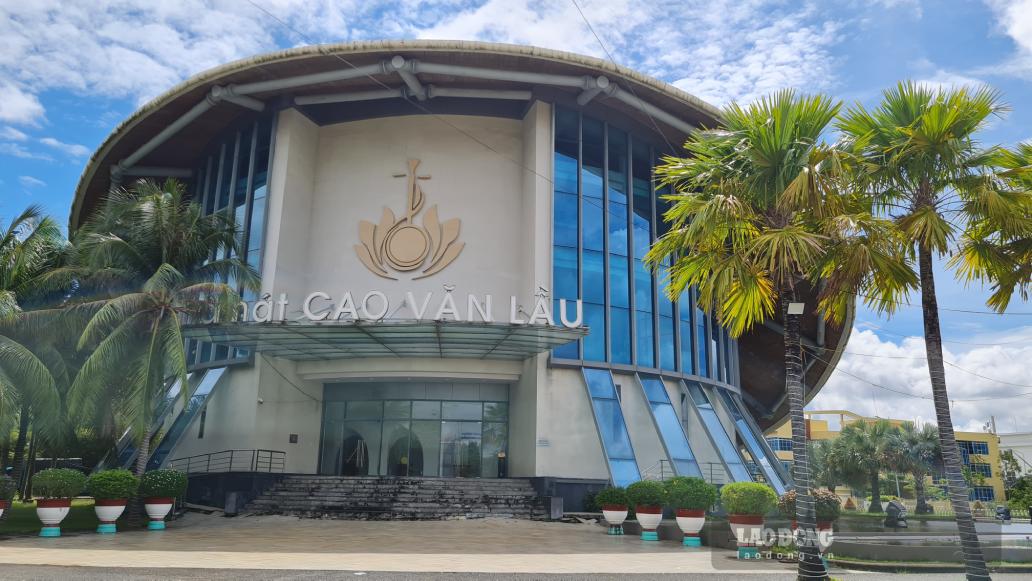
In Bac Lieu, the name Cao Van Lau is given to streets and theaters. The Memorial Area of Southern Don ca tai tu art and musician Cao Van Lau has become a place to preserve many documents and artifacts about his life, the development process of "Da co hoai lang" and Don ca tai tu art, cai luong.
In recent years, activities to teach "Da co hoai lang", "don ca tai tu" to students, association members and people have been organized. This is a way for music not only to be in the display space but to continue to be played by new generations.
107 years after its birth, "Da co hoai lang" still holds a special position in Southern cultural life. From Cao Van Lau's 20 musical phrases, many generations of artisans have continued and created to form a long-lasting vọng cổ line in the cải lương stage.
That value also poses the requirement not only to preserve a piece of music, but also to maintain an environment for Don ca tai tu, Vong co, and Cai luong to continue to be practiced, taught, and created. As Vong co songs are still sung in today's life, the flow starting from "Da co hoai lang" has not stopped.


