
Ca Mau currently has 21 ancient houses inventoried, of which 14 works meet the conditions for ranking as provincial-level relics. However, 8 ancient houses are degraded, including house number 174, house number 29 and house number 25 - currently the 2nd facility of the Ca Mau Provincial Museum - are identified as needing priority restoration.
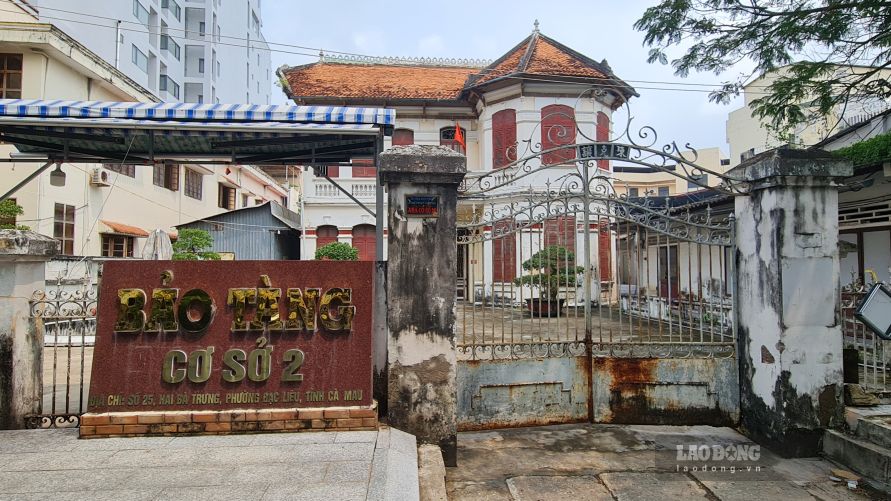
At house number 25, formerly owned by Mr. Tran Khac Nhuong, many walls have cracked and are covered with moss. The 100-year-old building still retains French-style architectural features, but is being affected by time and weather.
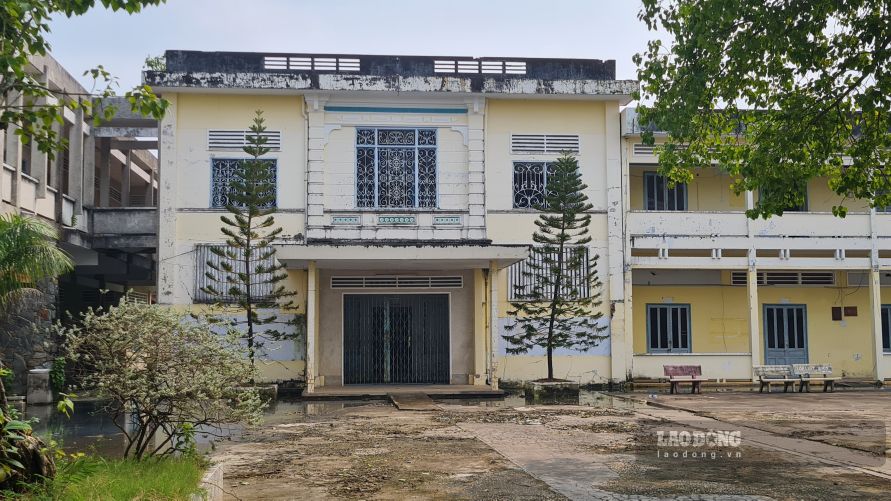
House number 41 on Hai Ba Trung street used to be the headquarters of Bac Lieu Urban Service Center, Ca Mau. The project is still quite intact but is currently vacant.
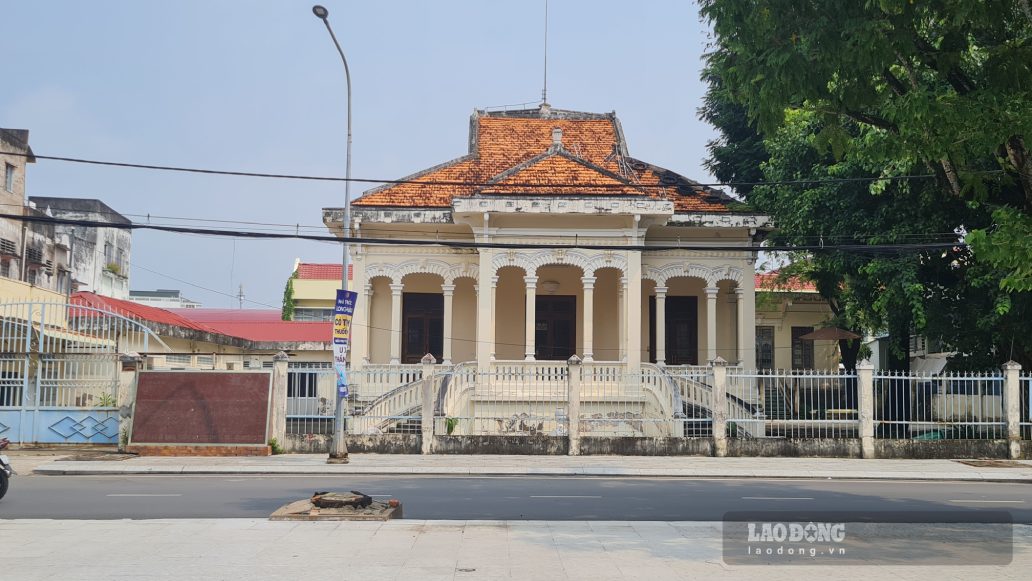
On 30/4 street, the Bac Lieu Provincial Procuracy was built from the late 19th century in French administrative architecture. After a period of use as the headquarters of the Bac Lieu Provincial Union of Literary and Art Associations, the project is now abandoned, and many items are starting to degrade.
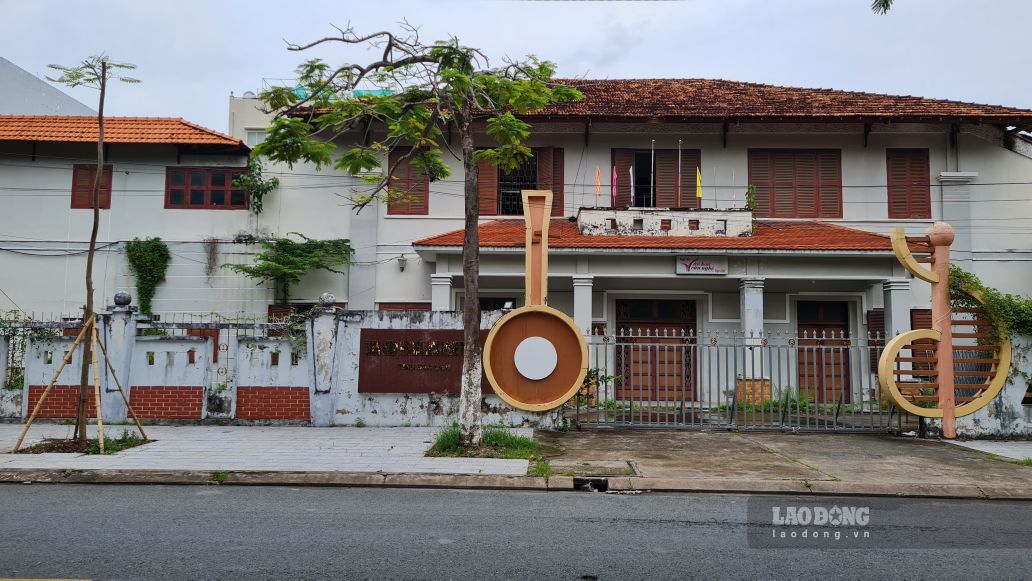
Notably, house number 29 on Tran Phu street, also known as Bac Lieu Provincial Governor's Palace or French Court. This century-old building has been almost abandoned for about 10 years. The tiled roof, walls and internal structure have deteriorated.
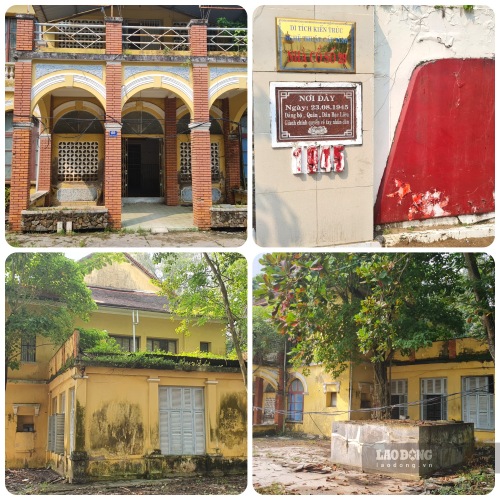
According to Mr. Ly Vy Trieu Duong - Deputy Director of the Department of Culture, Sports and Tourism of Ca Mau province, most ancient houses belong to architectural and artistic relics. The age of over 100 years causes the building to be greatly affected by weather, climate and material aging.
The process of arranging, consolidating, and dissolving units in 2025 also caused some ancient houses that were once used as headquarters to no longer have receiving and managing units. Meanwhile, private-owned ancient houses face difficulties in restoration and preservation.
According to Mr. Ly Vy Trieu Duong, the locality is gradually shifting from a mindset of only preserving to preserving associated with promoting heritage values. Promotion needs to be promoted, while attracting economic sectors to participate to turn ancient houses into cultural and tourism products capable of creating livelihoods.
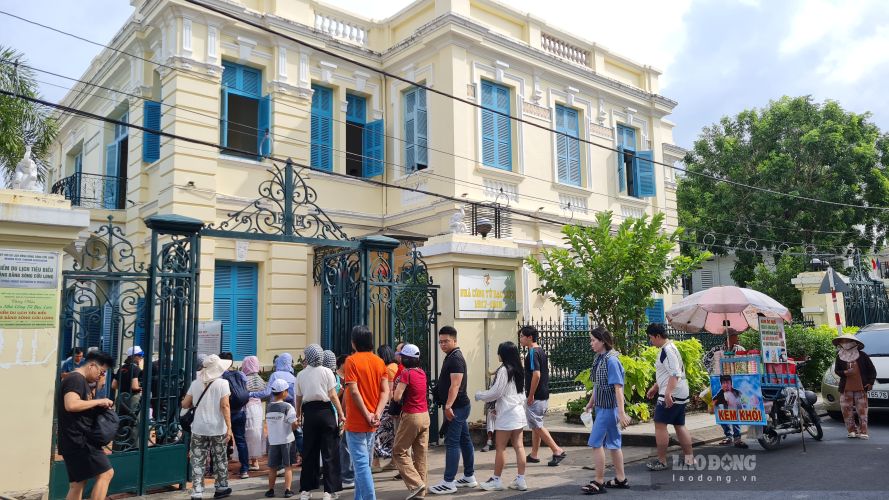
To do so, first of all, it is necessary to clearly define the value of each project, build dossiers on architecture, owners, characters, events and relationships with ancient houses around. From there, it is possible to form heritage routes and clusters associated with cuisine, art, traditional crafts and urban space.
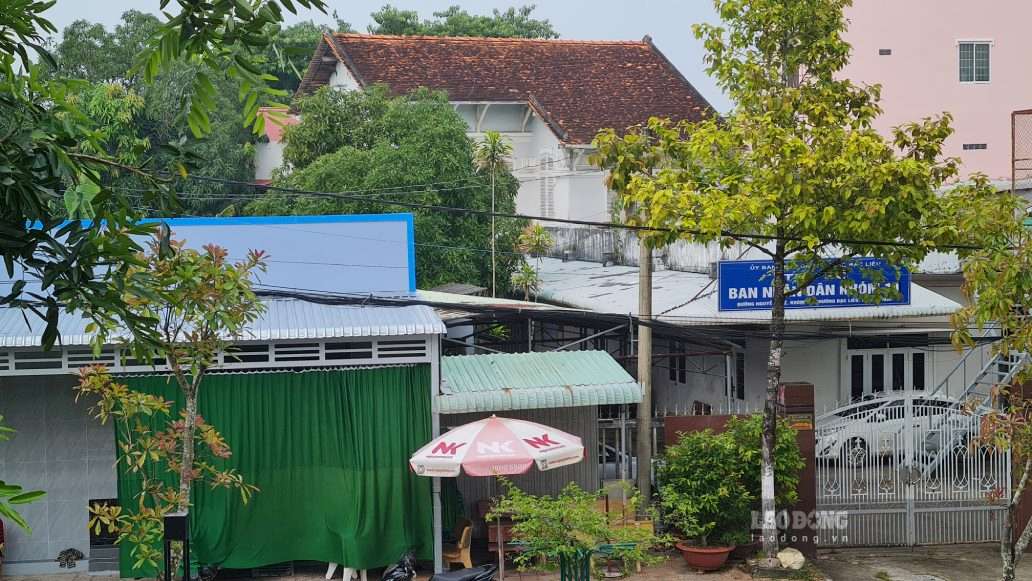
The important thing is that exploitation must go hand in hand with preservation. Ancient houses cannot be renewed according to tourism tastes while losing their original elements. It is the architecture, space and true story of each building that creates the difference.
Ca Mau is implementing a program to preserve, restore, and embellish relics in the period 2026 - 2030. With the existing ancient house system, this is an opportunity for abandoned and degraded works to be seen not only as assets to be preserved but also as cultural resources that can create more value for tourism.


