
In the context of global integration, the story of heritage preservation is often raised with concerns about the fading. However, for Nguyen Xuan Lam, heritage is not artifacts lying silently behind museum glass cabinets, but a vivid entity, which needs to be "re-defined" by the language of the times. Looking back at the 10-year journey from the start of the project in 2016 to now, he has proven that: Technology does not lose the soul of culture, but is the most effective bridge to bring heritage to the hands of the younger generation globally.
Fate to find oneself again
Nguyen Xuan Lam grew up like a typical urban 9x generation, where worldviews were molded by MTV, Disney Channel or e-sports instead of inherent traditional values. When studying at the University of Fine Arts, the thinking of putting Western art at the center was almost a default for Lam.
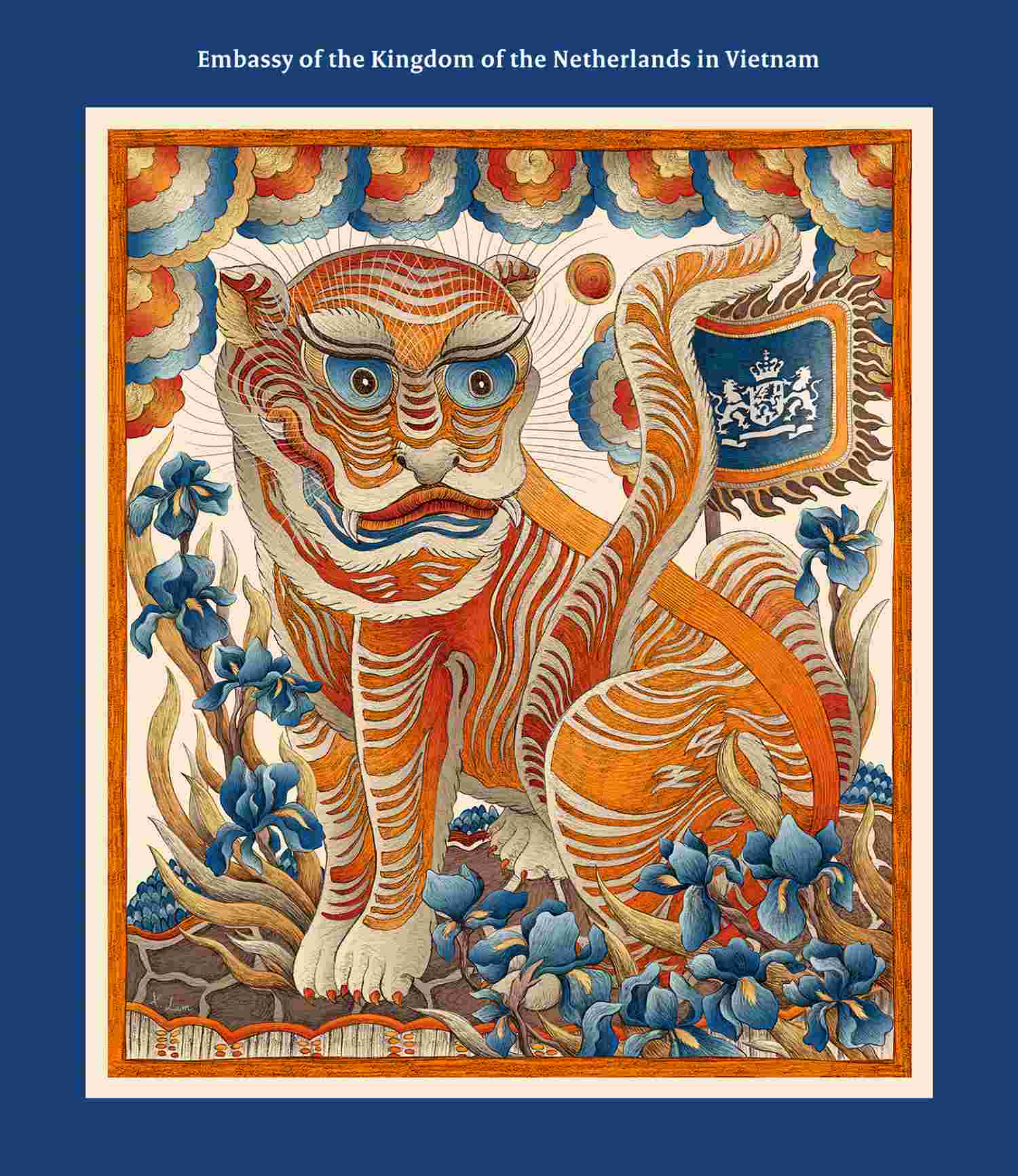
The real predestined relationship came around 2015 - 2016, when Lam was struggling to find ideas for his graduation paper. Once in the Fine Arts Museum, when standing in front of the painting "Five Tigers" of the Hang Trong painting genre, Xuan Lam experienced a strange moment. He shared: "I have a very different feeling, as if I am seeing it for the first time but also very familiar". That moment is not just aesthetic vibration, but the starting point for a personal journey to understand the relationship between himself and the seemingly outdated images.
However, Lam's choice at that time caused no small surprise to friends and teachers. In an academic environment, the fact that a fine arts student does not pursue traditional materials such as oil paint, silk or lacquer after 5 years of studying but switches to an unorthodox painting direction is a risky turning point.
That steadfastness helped the young artist overcome the barriers of prejudice. He did not choose to copy the original but chose to redraw the heritage with the mindset of a young person living in the 21st century. Lam also accepted opposing opinions, such as when a cultural photographer suggested that his "chóe" orange palette was not suitable for the simplicity of folk paintings. Instead of being discouraged, Lam realized that he did not need to do it according to old standards, but the important thing was whether the image really convinced him and reflected the breath of the times.
Digitalization and the aspiration to reach out
Stepping into the development stage, Nguyen Xuan Lam applied a creative process that harmoniously combines craftsmanship and technology. Each work started from pencil hand drawings on paper to retain the static style of the traditional layout. Then, the digitization process began: Lam scanned the drawings and used computer graphics to process colors.
The highlight in Lam's technique is the expansion of the color palette and the use of color transition strips. "For example, a single color patch in the original painting can be converted into a color transition strip, such as from red to orange, or from earth yellow to lemon yellow, to create a feeling of movement and reflect the spirit of the era." - Lam explained. If Western art in the 19th century once changed thanks to tube-shaped colors that allowed Impressionist painters to paint outdoors, then his use of digital tools today is just a logical continuation of applying available materials to art.
For Lam, the soul of folk painting is not in the rough surface of diep paper or the simplicity of natural colors, but in the way that image is understood in the current context. Putting paintings on application products such as canvas bags, calendars, or social networking platforms is Lam's way of extending the custom of giving folk paintings on Tet of ancient Vietnamese people but in a more modern and accessible form.
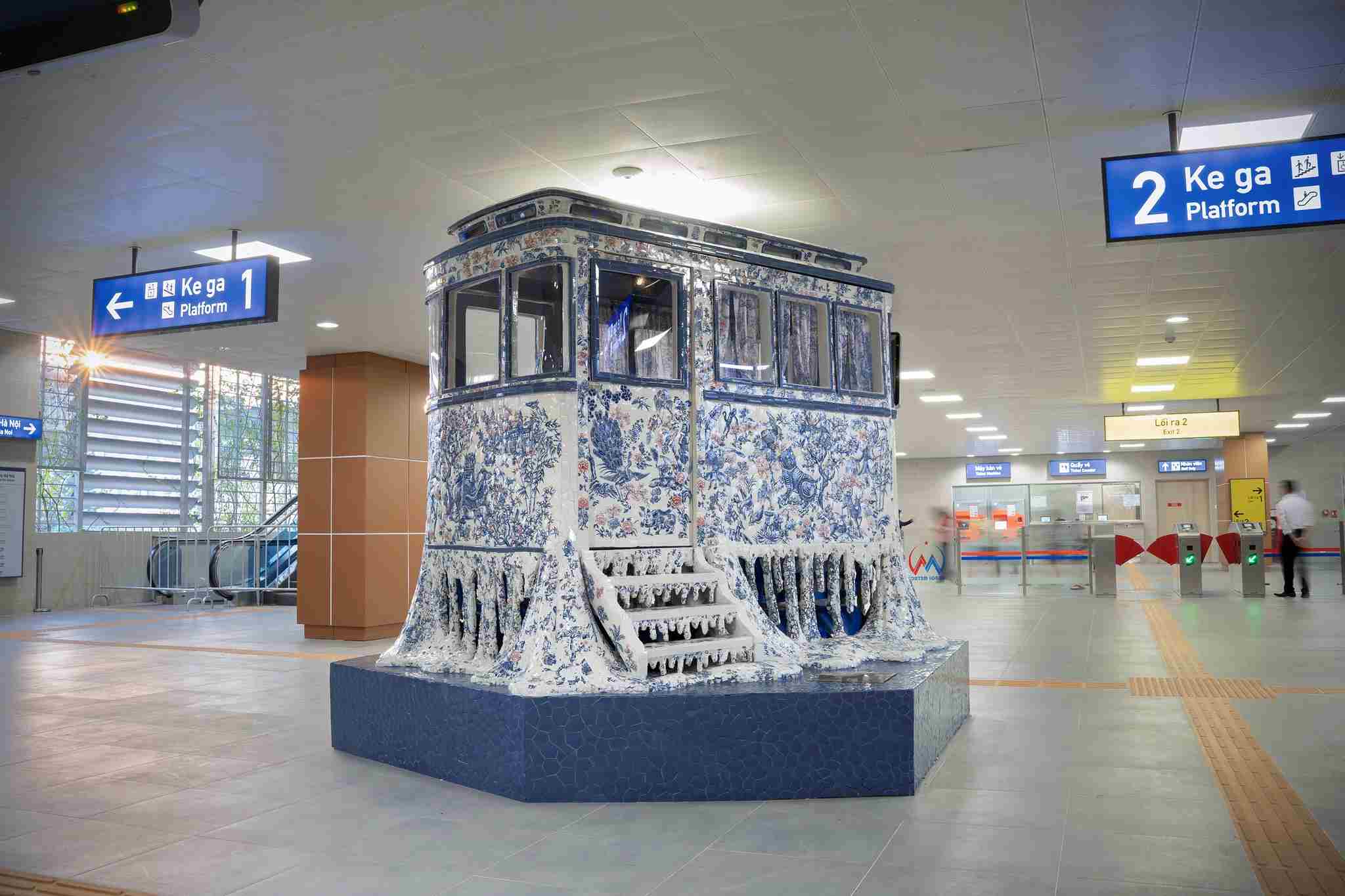
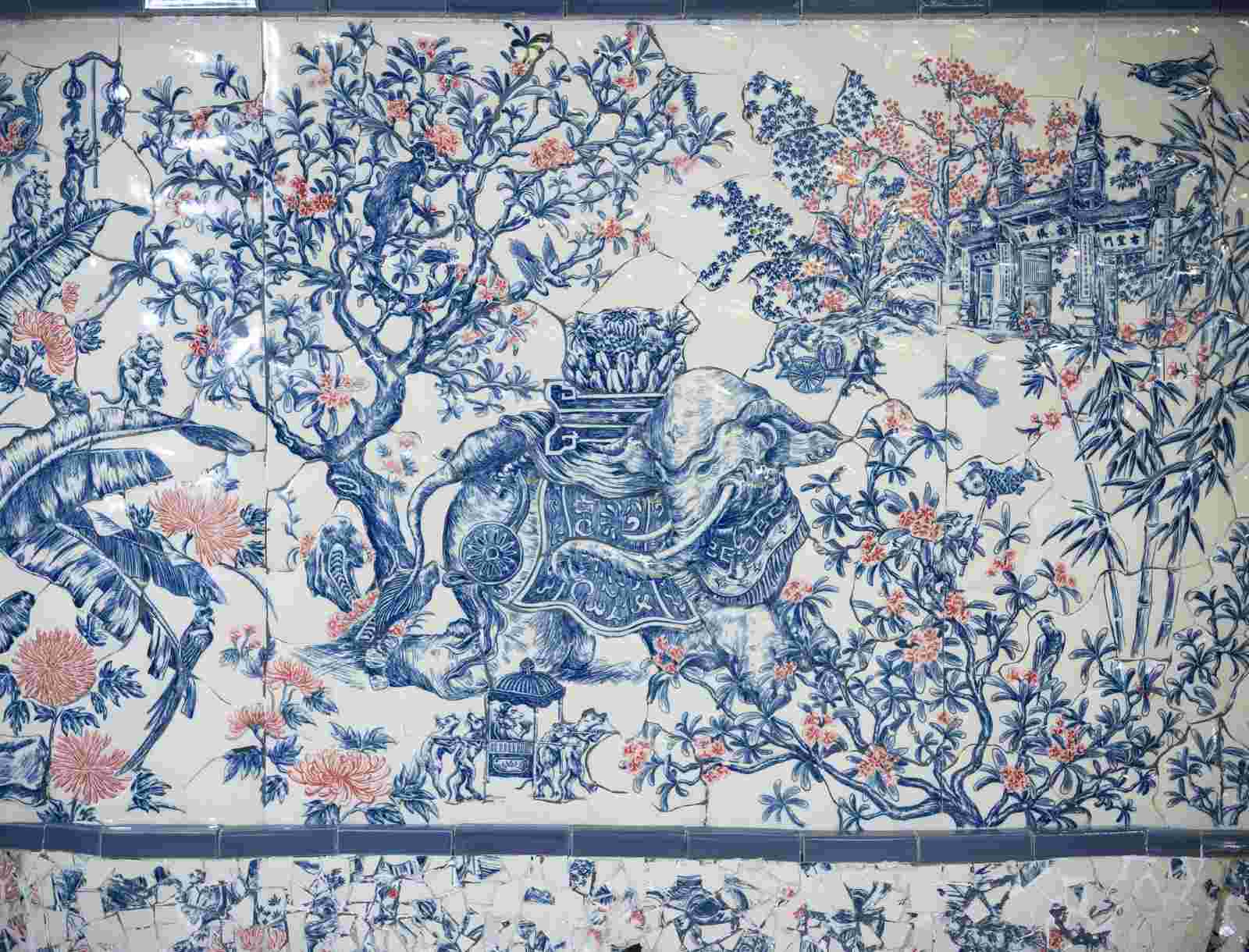
The aspiration of the artist born in 1993 does not stop at national boundaries. Currently, Lam is interested in bringing folk paintings into broader dialogues with global art history, instead of just placing them in a local context. He expanded his practice to other image sources such as postcards from the 19th - 20th centuries to continue to question how images are stored and reinterpreted.
Looking back at the 10-year journey, what makes Nguyen Xuan Lam most proud is not the awards but the change in the awareness of young audiences. He sees more and more young people approaching Dong Ho and Hang Trong paintings not as something belonging to a distant past but as a life-giving image system that can be interpreted in many different ways.
Sending a message to young people who are nurturing a project to restore national culture with technology, Lam affirmed: "The important thing is not to restore it to be really similar, but to understand clearly what you are doing with those materials. If you just repeat it, it is very easy to stop at form. But when you really ask questions and find a personal connection with it, then technology or materials are just tools for you to go further.
Nguyen Xuan Lam's story is a brilliant proof that: When heritage is placed on the launchpad of technology and the enthusiasm of youth, it will never fade but will continue to shine, bringing Vietnamese identity far on the world cultural map.


