
In the crowded stream of pilgrims returning to the Hung Temple historical relic site on the eve of the 10th day of the 3rd lunar month, it is not difficult to see images of ethnic minority families in traditional costumes, quietly walking in a sacred and bustling atmosphere.
They come from many different lands, carrying their own stories, but sharing the same destination - the origin of the nation.
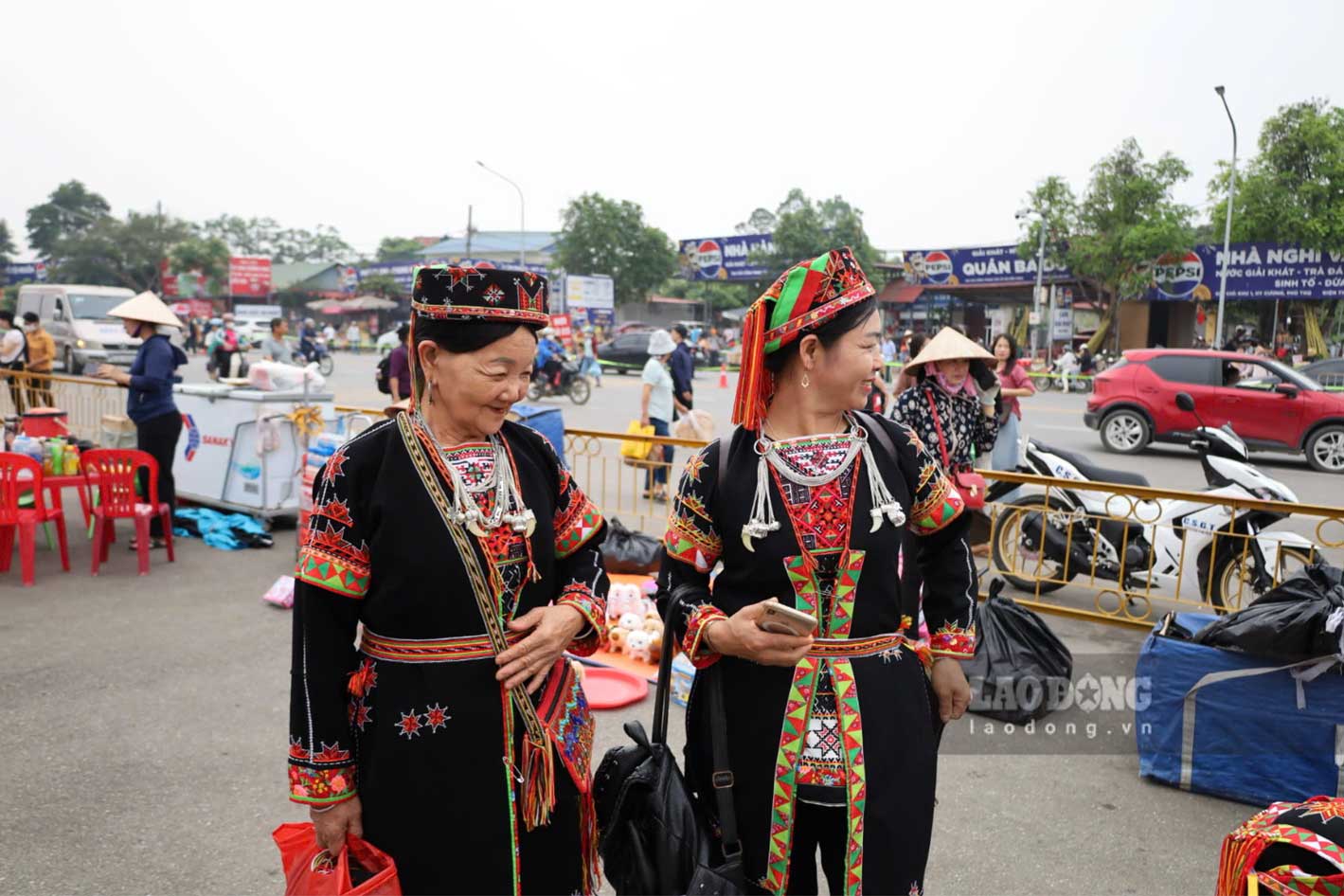
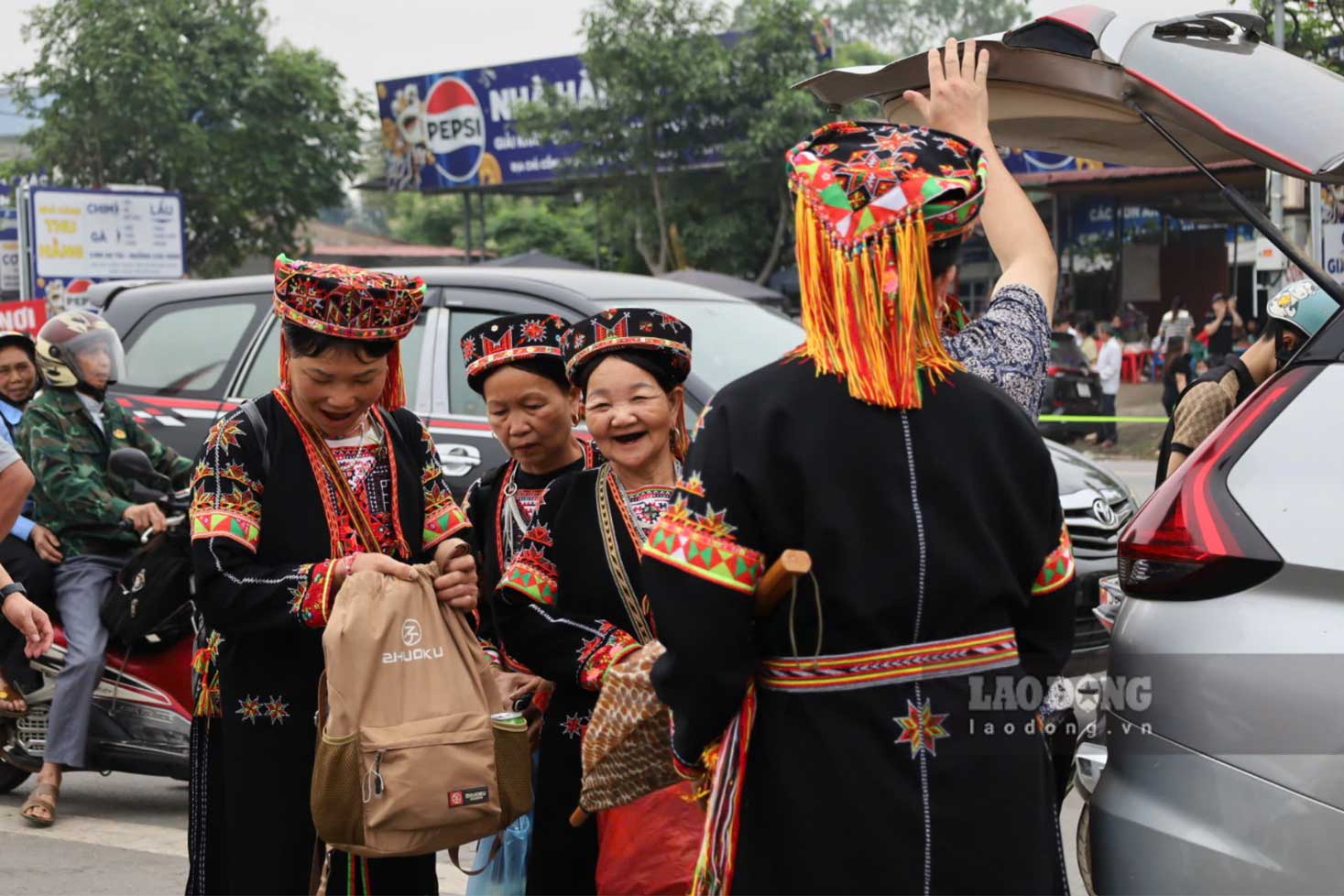
Mr. Bui The Thieu - a Muong ethnic person in Hop Kim commune, Phu Tho province - shared with a proud voice: "I lived in Kim Boi district, former Hoa Binh province, after the merger it was Phu Tho province. Now I am also a child of the ancestral land, my family and I are very proud of that.
Coming here, I feel a very lively and bustling atmosphere and see the solidarity towards ancestors, expressing the morality of'When drinking water, remember the source' of Vietnamese people.
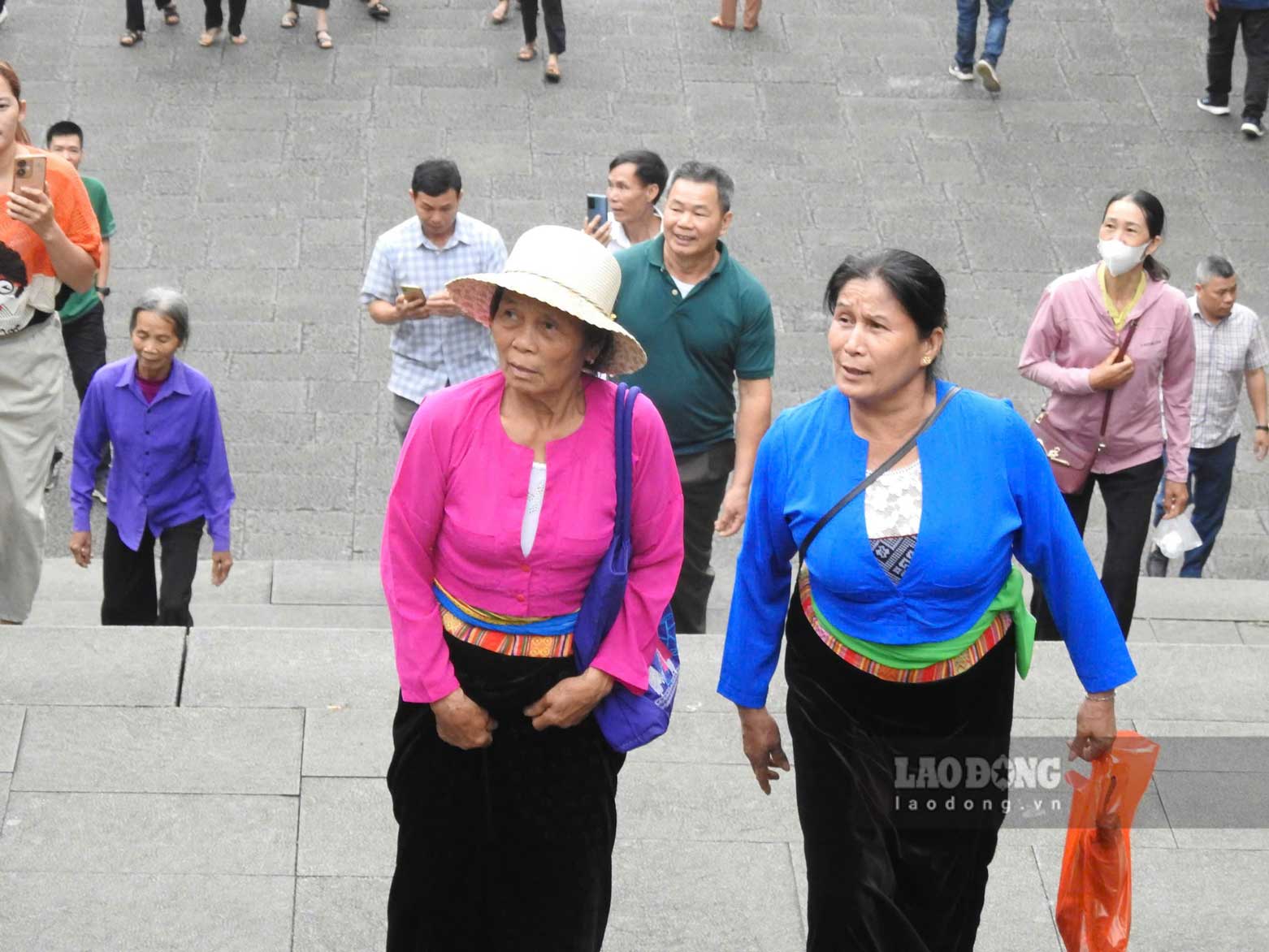
Amidst the bustling crowd, Mr. Thieu and his family respectfully offered incense, gradually and slowly as if sending their gratitude to the Hung Kings. For him, the journey to Hung Temple is not just a festival trip, but also an opportunity to feel more clearly about the origins and cohesion of the ethnic communities.
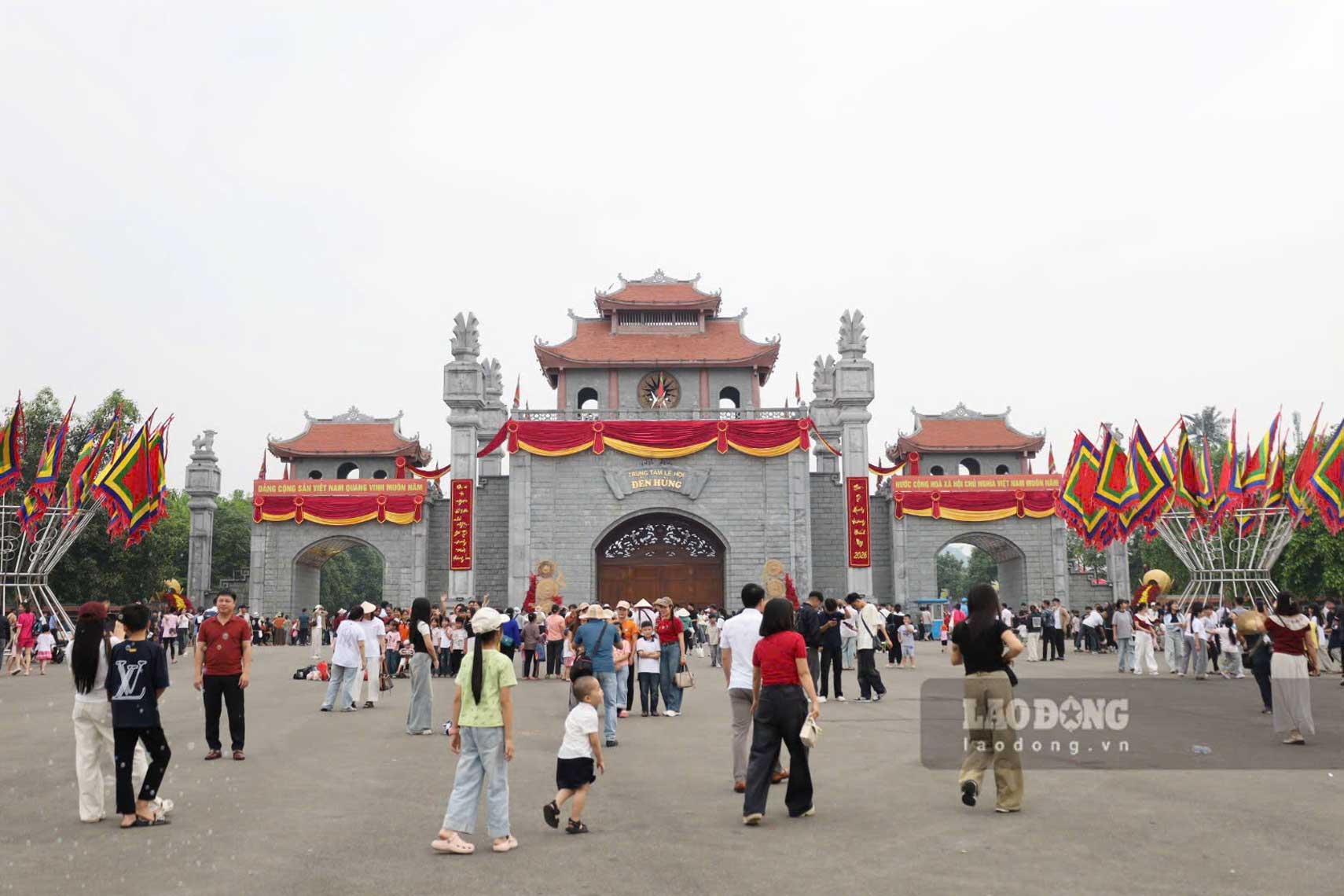
Not only Mr. Thieu, Mrs. Ban Thi Nong (born in 1961, Ham Yen commune, Tuyen Quang province, White Quan Dao ethnic group) also traveled a long distance to return to the ancestral land.
In traditional costumes, Mrs. Nong emotionally said: "I left early in the morning, the road is far but my heart is very happy. Returning to Hung Temple, I feel like I have returned to my ancestors. There are many people but everyone is conscious, everyone is sincere.
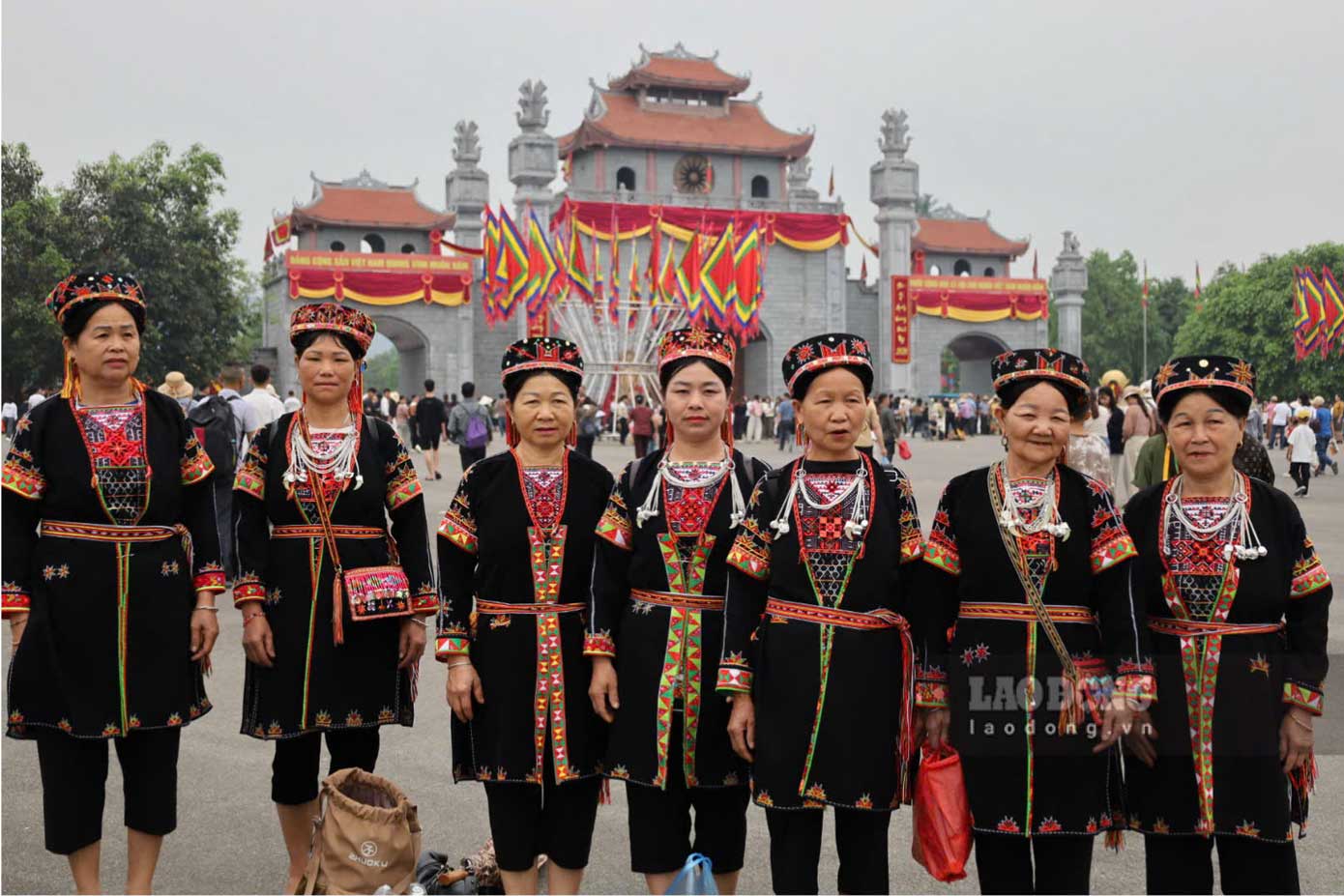
Ms. Nong said that this is not the first time she has come to Hung Temple, but each time she returns is a different feeling. "Whenever I have strength, I still go. My children and grandchildren in the family also hear many stories about the Hung Kings, about their ethnic origins so that they remember and cherish them," Ms. Nong shared.
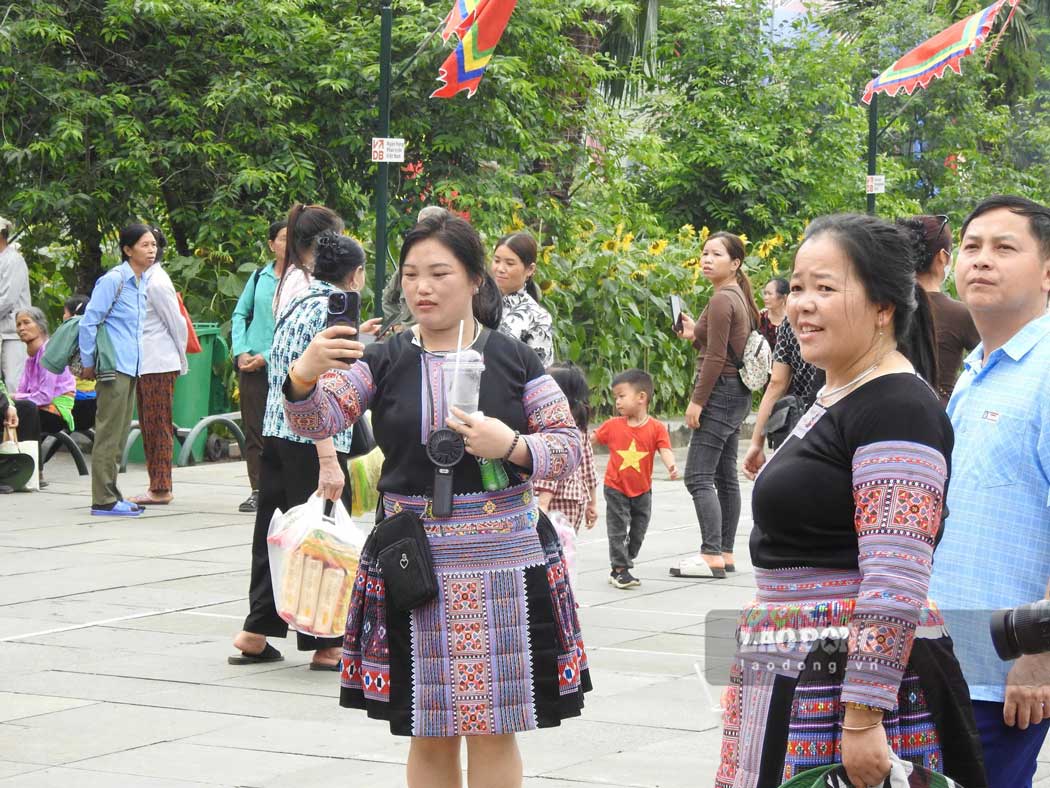
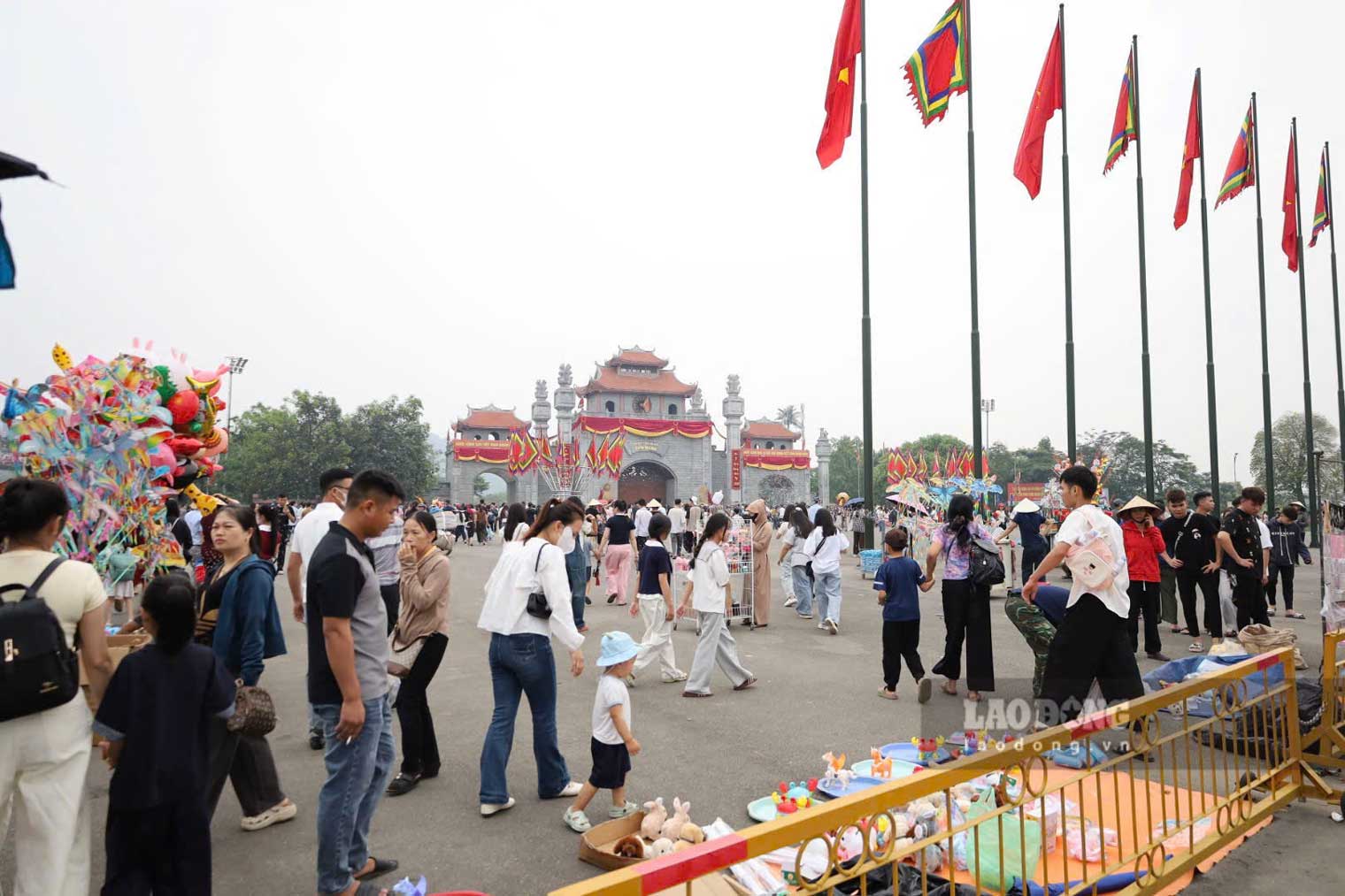
In the sacred space of Nghia Linh mountain, footsteps from the plains to the mountains seem to converge, connecting into a sustainable cultural flow. Regardless of region or ethnicity, everyone is heading towards a common origin.
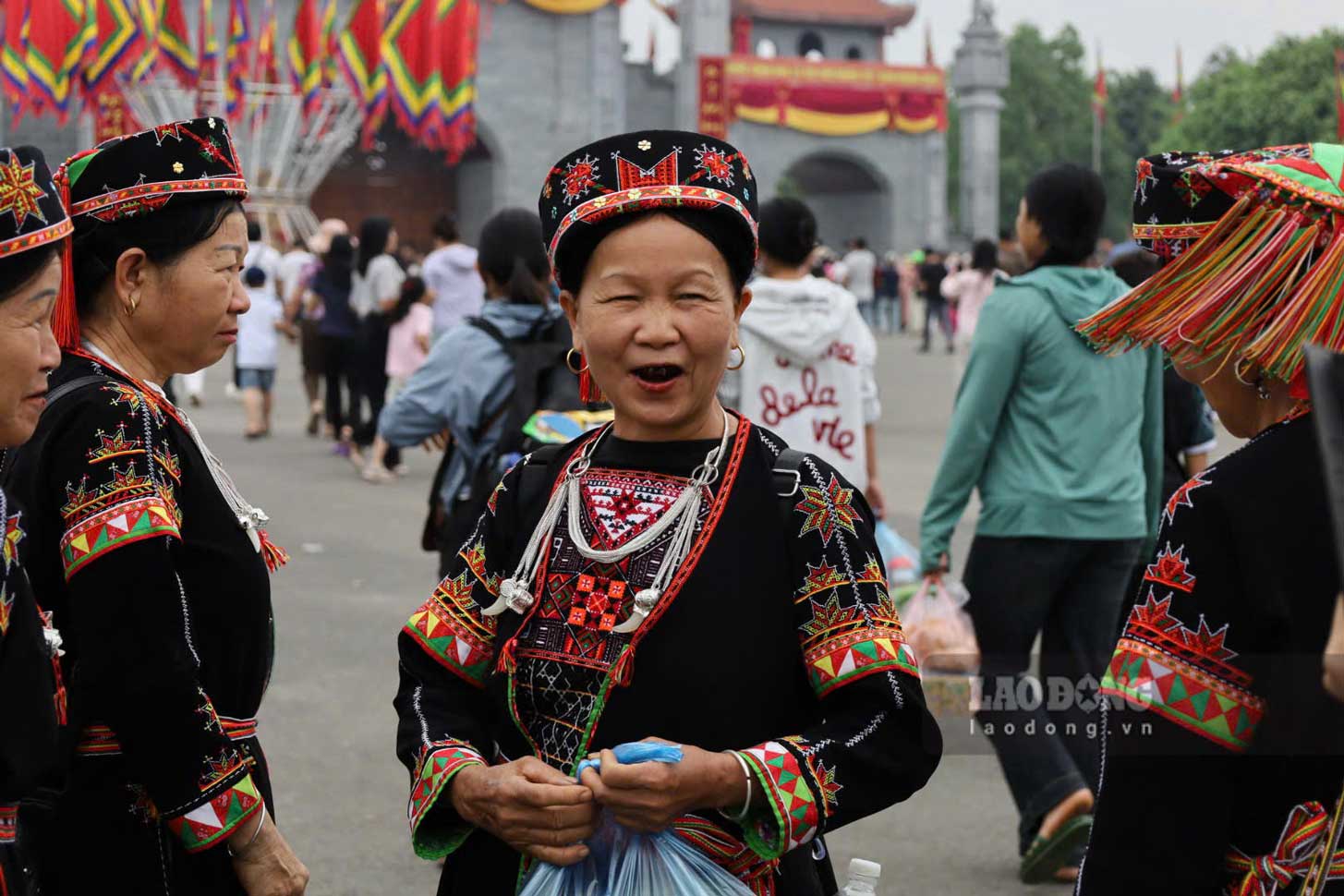
The Hung Temple Festival is not only an occasion to commemorate the merits of building the country of the Hung Kings, but also a place for every Vietnamese person, wherever they are, whatever they do, to find attachment, pride and awareness of preserving tradition.
In that crowd, stories like those of Mr. Thieu or Mrs. Nong contribute to creating a vivid and emotional picture of a festival that is not only joyful, but also deeply meaningful, where the morality of "When drinking water, remember the source" is continued through generations.


